
You can’t script this kind of irony. The entertainment industry spends millions barricading its vaults, only for someone to accidentally leave the front door wide open with a welcoming mat.
Studio Khara discovered this the hard way on March 7, when their anti-piracy campaign achieved the exact opposite of its intended goal. Rather than suppressing leaked footage from Evangelion’s 30th anniversary celebration, they inadvertently handed internet pirates the master file in pristine high definition.
It’s rather like calling the fire department to report a stray spark, only to realise you’ve accidentally invited the arsonist round for tea handed them the keys to your house.
A Gift That Kept Giving
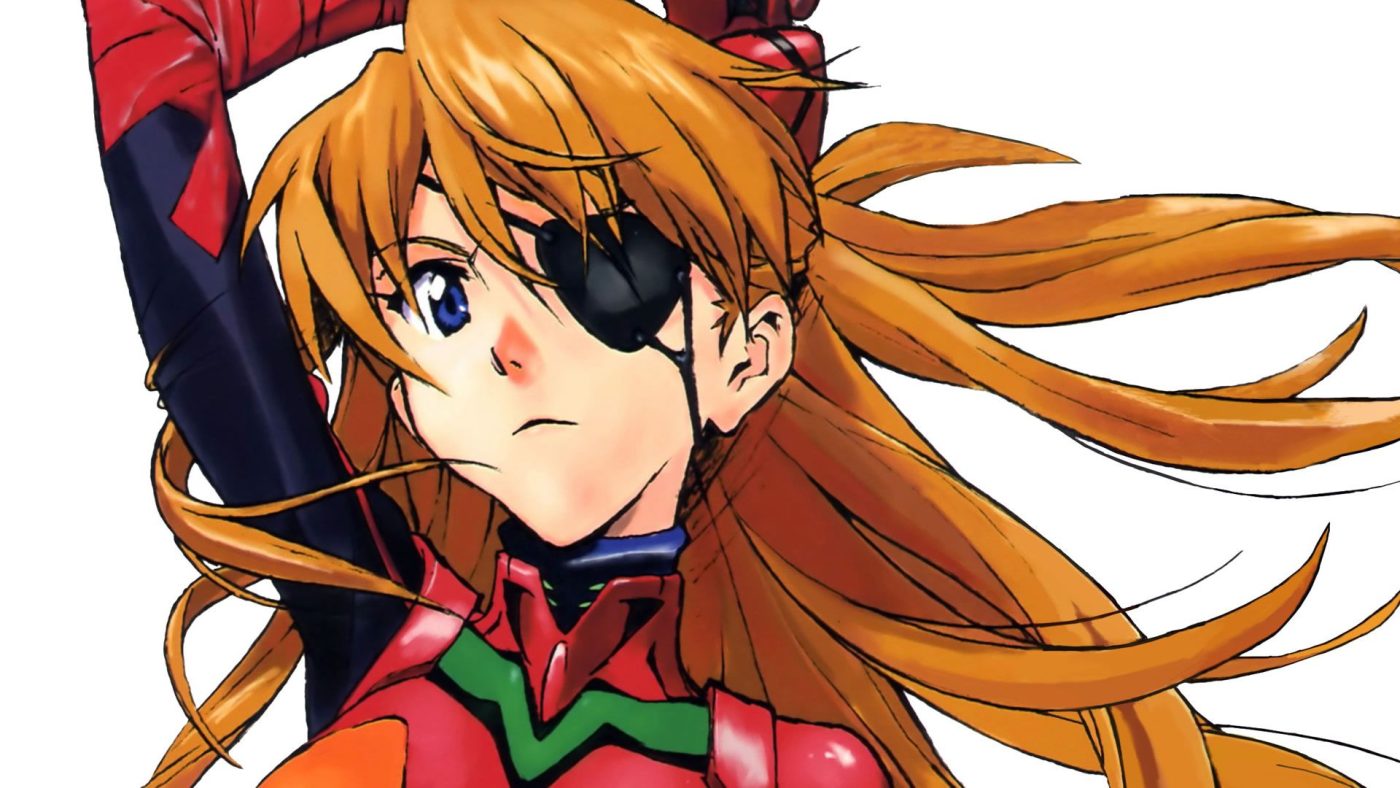
The saga traces back to late February in Yokohama, where diehard fans gathered for the franchise’s three-decade milestone. The jewel in the crown was a 13-minute exclusive short film starring Asuka, screened at the Hakone Yumoto Performance Theatre with no official distribution plans.
A strictly one-time affair, or so the thinking went.
Naturally, blurry clandestine recordings began surfacing online within hours. Khara moved to stamp out the spread through copyright strikes across various platforms.
Here’s where the wheels came off:
- Staff unfamiliar with complaint mechanisms on certain sites
- Attached the actual master file to their takedown emails
- Not a thumbnail, not a clip—the whole pristine thing
The result was entirely predictable. What had been grainy, handheld footage suddenly transformed into studio-quality treasure, spreading across the internet by early Saturday morning.
The Plot Twist
What separates competent organisations from the truly savvy isn’t avoiding mistakes. It’s what you do afterwards.
Khara scrambled to remove the compromised files and launched an internal investigation, publishing a lengthy apology to fans, staff, and the paying attendees who’d travelled to Yokohama.
But then came the interesting part.
Rather than pursuing an utterly futile game of whack-a-mole across the internet’s far corners, they pivoted.
At midnight on March 8 (Japan time), the studio announced the short would receive an official worldwide release. Completely free.
Call it damage control or call it genuine goodwill—either way, it’s a refreshing change from the usual heavy-handed legal theatre.
The timing doubles as a celebration for the fifth anniversary of 2021’s Thrice Upon a Time, the saga’s cinematic conclusion.
What the Short Actually Offers
For those wondering whether it’s worth the fifteen minutes:
- The film plunges into Asuka’s interior world during the original series’ most pivotal moments
- We’re talking Instrumentality, the Third Impact—events that redefined what anime could attempt thematically
- It incorporates a familiar musical callback from one of the classic Evangelion films
Hits that nostalgic sweet spot for long-time devotees.
The Bigger Picture
This whole kerfuffle exposes something fascinating about content protection in the digital age.
Studios build increasingly sophisticated walls, but all it takes is one confused intern one misunderstood platform to render those fortifications meaningless.
Khara’s response—acknowledging the blunder, apologising properly, and actually giving fans what they wanted—feels almost radical in its pragmatism.
Perhaps there’s a lesson here about working with human nature rather than perpetually struggling against it.
What does this incident suggest about the real value of exclusivity in an era where anyone with a smartphone becomes a distribution channel? Should studios reconsider their default defensive posture when leaks inevitably occur, or was Khara’s response simply a pragmatic exception to an otherwise necessary rule?
And more broadly: is the entire concept of limited theatrical release becoming an anachronism in a hyper-connected world?







Leave a Comment