
Let’s be honest about something the anime community rarely admits aloud: we’ve developed a peculiar fondness for emotional masochism. The medium has conditioned us to expect heartbreak as a default setting—bittersweet partings, noble sacrifices, that lingering melancholy which sends you scrolling through your phone at 2am trying to process your feelings.
But here’s what interests me. Every so often, a film comes along that refuses to play that game. These aren’t stories that leave you picking up emotional debris for weeks afterwards. They’re the rare breed that hands you something genuinely restorative—a narrative that builds toward genuine joy rather than manufactured tragedy.
Call it emotional efficiency. Why suffer through three hours of cathartic misery when you could get the same satisfaction from something that actually leaves you lighter?
The Well-being Ranking
The Stranger by the Shore — Studio Hibari squeezed an impressive amount of emotional growth into just 59 minutes. Two young men in Okinawa working through their respective baggage, arriving at something resembling genuine connection. The brevity works in its favour; no excessive wallowing, just a direct line from isolation to companionship.
Saint Young Men — The elevator pitch sounds absurdist: Jesus and Buddha sharing a flat in modern Tokyo. A-1 Pictures committed fully to the premise, and the result is 90 minutes of gentle observational comedy without any conflictwithout a villain in sight. Sometimes the most radical narrative choice is simply kindness.
Ponyo — Hayao Miyazaki looked at Hans Christian Andersen’s The Little Mermaid and thought, What if nobody had to suffer?
The result is 101 minutes of unfiltered joy. A fish girl, a boy, and absolutely no tragic transformations.
The Night Is Short, Walk On Girl — Masaaki Yuasa understands something most directors miss: energy and optimism are legitimate storytelling engines. A college student’s surreal evening adventure across Kyoto, 93 minutes of kinetic joy that resolves with genuine warmth rather than ironic detachment.
Summer Wars — Madhouse constructed something clever here—a rogue AI crisis resolved not through technological supremacy but through family coordination and collective effort. The Jinnouchi clan’s chaotic solidarity carries 114 minutes of narrative weight. The message is almost subversively wholesome: human connection outperforms processing power.
Josee, the Tiger and the Fish — Bones Studio took a premise that typically invites tragedy—a university student and a wheelchair user with a sharp tongue—and refused to drown it in sentimentality. Ninety-nine minutes of authentic friction and growth, culminating in two people choosing each other despite realistic obstacles. Refreshingly honest.
Fortune Favors Lady Nikuko — Studio 4°C built what appears to be a quiet mother-daughter narrative, then carefully layers in mystery and revelation. The 97-minute runtime earns its emotional payoff through patient character work rather than manipulative set pieces. The finale hits differently because it’s been properly constructed.
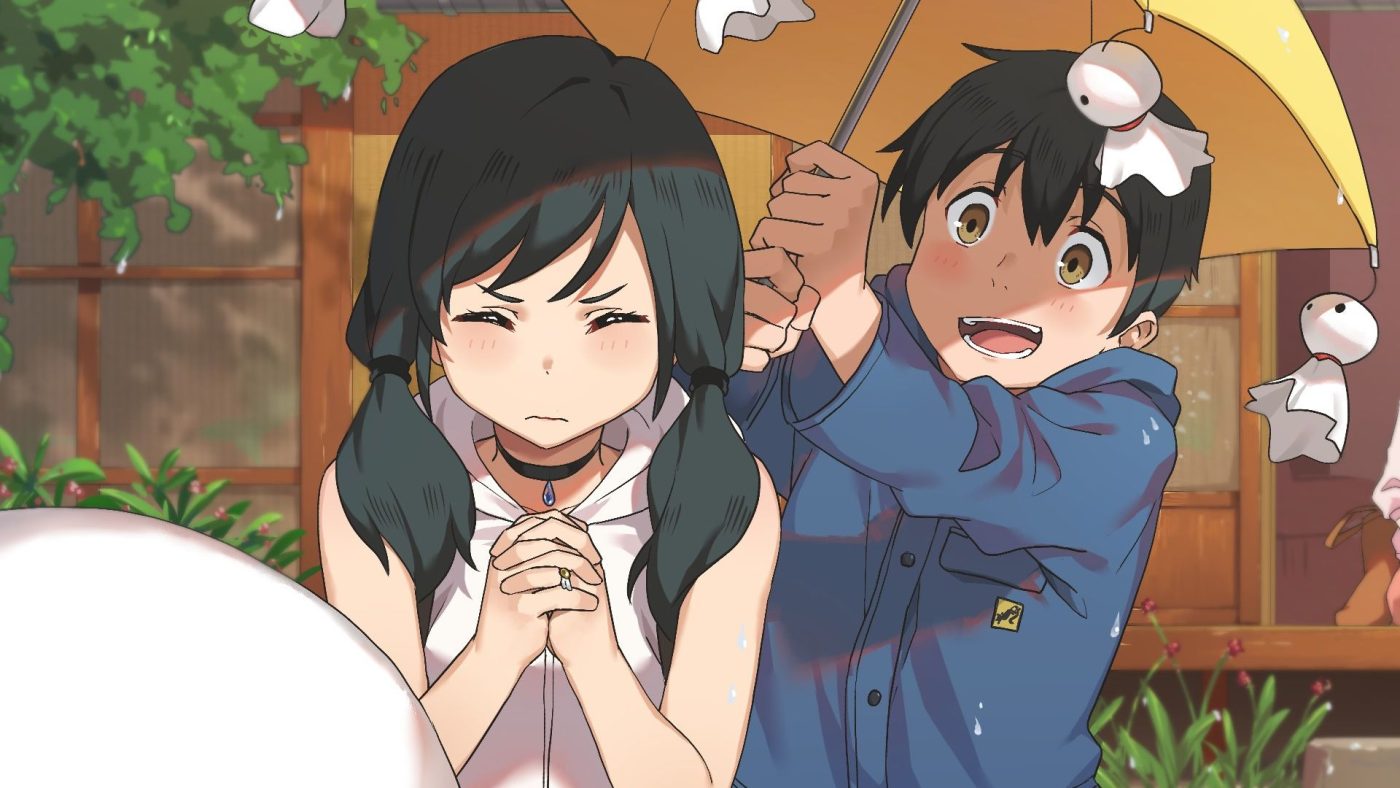
Weathering With You — Makoto Shinkai made a quietly radical choice: he let his protagonists choose personal happiness over noble sacrifice. The weather girl and the runaway boy make the selfish decision, and the film refuses to punish them for it. Weather modification as metaphor for prioritising your own wellbeing—apparently controversial in ways that reveal more about audiences than storytelling.
My Neighbor the Yamadas — Studio Ghibli’s experimental comedy eschews traditional plot entirely. One hundred and four minutes of domestic vignettes—arguments about television remotes, awkward social encounters, family chaos. The sketch-like animation style matches the content: life as a series of small moments rather than grand arcs.
Tokyo Godfathers — Satoshi Kon’s masterwork centres on three homeless individuals who discover an abandoned infant on Christmas Eve. What follows isn’t melodrama but a compassionate study of society’s margins. The 90-minute runtime channels Dickens through a distinctly Japanese lens, demonstrating that coincidence might just be the universe’s way of arranging redemption. Sacred without being sanctimonious.
What the Pattern Reveals
None of these films mistake cruelty for profundity. They understand that genuine emotional depth doesn’t require trauma as its foundation.
Has the anime industry’s obsession with bittersweet endings actually trained audiences to undervalue uncomplicated joy? And what does our media diet say about what we believe we deserve?
What film would quietly slide into your own roster for evenings when emotional labour feels too expensive?





Leave a Comment