

I Want to End This Love Game: April Premiere Set for Self-Sabotaging Romance Tactics
There’s something deliciously predictable about teenage logic. Convince yourself that reading your crush’s favourite entertainment will unlock some secret cheat code to their heart. It never works—except in fiction, where terrible ideas become endearing narratives.
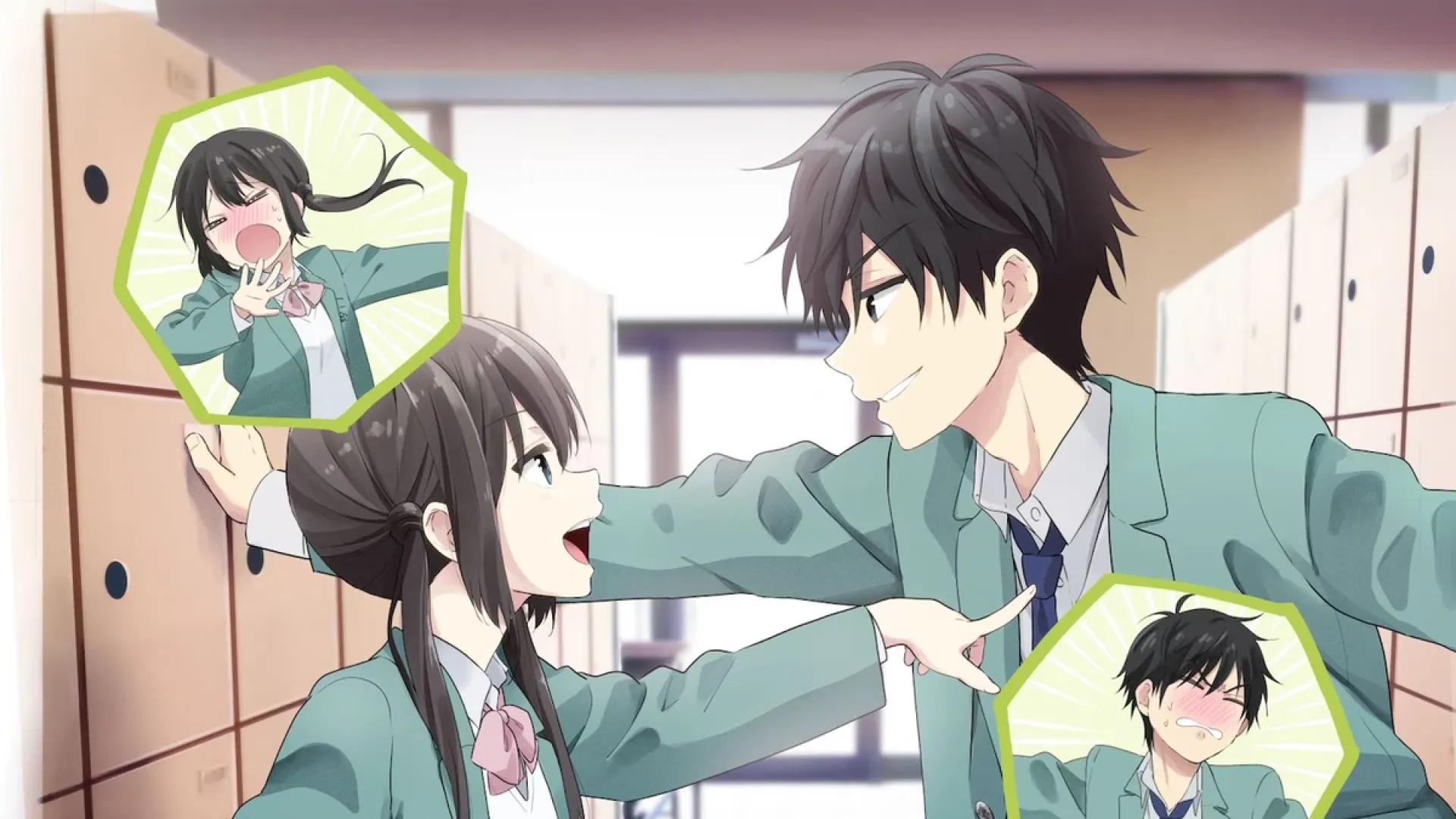
The animated adaptation of Yuki Domoto’s I Want to End This Game (Aishiteru Game in its native market) arrives April 14, bringing with it that particular brand of self-inflicted romantic chaos that audiences seemingly cannot resist. The promotional materials suggest Studio Felix Film understands the assignment: bright colours, anxious glances, the visual language of someone overthinking every text message they’ve ever sent.
What We Know
Azuma Tani directs, with Keiichiro Ochi handling scripts—a reassuring choice given his work on Girlfriend, Girlfriend, a series that proved multiple simultaneous relationships could somehow become wholesome chaos rather than a cautionary tale. Yuki Fukuchi’s character designs appear to lean into that approachable aesthetic studios favour when they want viewers to genuinely root for emotional disaster.
The musical credentials raise eyebrows in the best way. CHICO with Honeyworks tackles the opening theme Kimi no Sei de Aishiteru
, while PompadollS handles the closer Little World.
Honeyworks’ involvement signals exactly the tone this project is chasing: earnest, slightly awkward, overwhelmingly sincere.
The Voice Talent Assembly
The casting sheet reads like a deliberately curated collection of fan favourites:
- Kaito Ishikawa as Yukiya Asagi — Haikyu!!, Rascal Does Not Dream of Bunny Girl Senpai
- Miku Ito as Miku Sakura — The Quintessential Quintuplets
- Takehito Koyasu as Masaru Shinonome — JoJo’s Bizarre Adventure, Attack on Titan
- Yui Ogura as Hinako Hanaba — Goblin Slayer
- Kaede Hondo as Natsuki Moegi — Zombie Land Saga, Wandering Witch
- Wakana Maruoka as Wakana Asagi — Alya Sometimes Hides Her Feelings in Russian
Ito voicing a character named Miku feels almost too on-the-nose, but sometimes the universe rewards obvious choices.
❀✼┈┈┈┈
🌸キービジュアル公開🌸
┈┈┈┈✼❀2人の意地がぶつかる『恋のゲーム』を楽しみに✨
TVアニメ「#愛してるゲームを終わらせたい」
2026年4月よりTOKYO MX、MBS、BS朝日にて放送開始!https://t.co/WuhgemcbbA pic.twitter.com/G6xBQA3BWB— TVアニメ『愛してるゲームを終わらせたい』公式 (@aishiterugame) March 9, 2026
The Premise Itself
Yukiya decides that reinventing his entire personality being strategically authentic for high school is the play to win his childhood friend’s affection. His primary weapon? Shojo manga—using fiction as a tactical manual for real-world emotional engagement.
The premise walks an uncomfortable line between charming and concerning, yet audiences continue finding it irresistible.
Domoto’s original work launched via Shogakukan’s Sunday Webry platform in 2021, with its eighth compilation volume releasing April 10—neatly timed to capitalise on the anime premiere. The synchronisation suggests production committees have finally mastered the art of coordinated media deployment.
Why do narratives about romantic strategy performed at someone rather than with them continue resonating so strongly? Is the appeal watching someone fail spectacularly at emotional honesty, or secretly hoping the performance somehow becomes genuine?
And what does it say about audiences that we’d rather watch elaborate schemes unfold than straightforward conversations between people who supposedly know each other best?






Leave a Comment