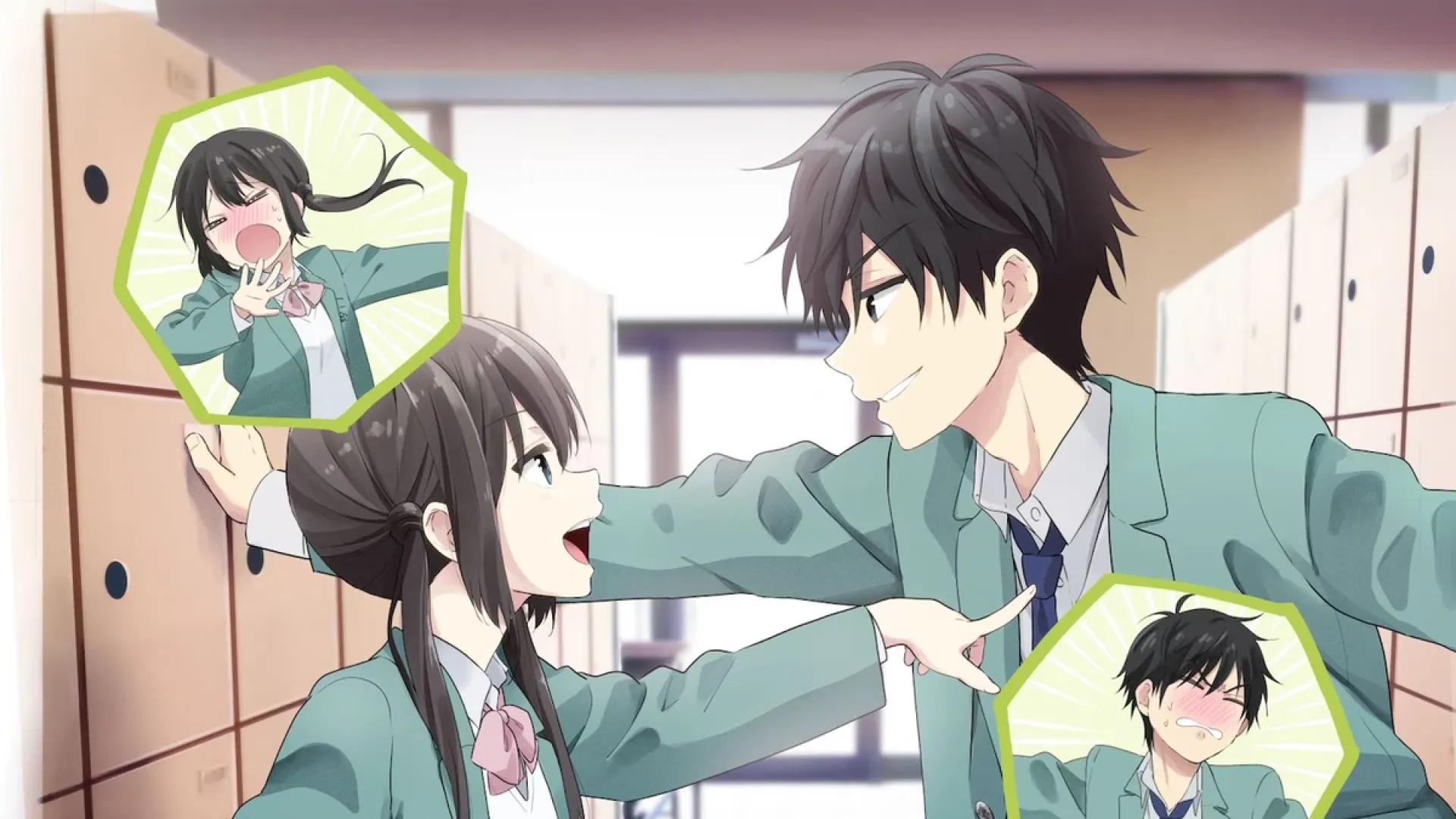

On in Japan, Yuki Domoto’s manga I Want to End This Love Game announced its anime adaptation, marking a pivotal moment for the series.
Scheduled to debut alongside the Seventh Compilation Volume’s release, the announcement was amplified by a special illustration celebrating the characters’ dynamic, stoking fan anticipation.
Published since on Shogakukan’s Sunday Webry, the series has captivated audiences with its sharp blend of humor, psychological tension, and the unconventional premise of a boy leveraging shojo manga tropes to win his best friend’s affection.
Viz’s English distribution has further cemented its appeal, showcasing how youth romance can be both tender and subversive.
While production details remain scarce, the anime’s promise to merge comedic wit with emotional stakes positions it as a defining entry in the genre—a testament to the series’ ability to transform familiar tropes into a fresh, provocative exploration of love’s complexities.
This announcement isn’t just a milestone for the franchise; it’s a reflection of how modern romance narratives thrive on reinvention, a theme that resonates as deeply in its anime form as it does in its original pages.
Here’s the thing about love in Japan
It’s less about the heart and more about the manga in your hand.
You know, the one that’s been officially announced
To get an anime adaptation—I Want to End This Love Game by Yuki Domoto. A love story? Sure. But let’s not pretend this isn’t a sugar-coated confection, wrapped in the glitter of a Seventh Compilation Volume set to drop on , like a cinnamon roll in a bakery of Sunday Webry and Viz Media.
But wait…
The real question is: why does a series about a boy who’s literally a “gallant” (read: insufferable) trying to win his best friend’s heart via Shojo Manga clichés get the green light? Because, let’s be honest, the Japanese love market is a marmalade sandwich—sweet, sticky, and utterly unoriginal. Yet here we are, celebrating a story where the protagonist’s only goal is to “conquer” Miku, a girl who’s obviously smarter than him.
Let’s unpack this.
- Yukiya’s plan: Use romantic tropes like “sudden confession” and “broken heart” to win Miku’s affection.
- Miku’s reality: She’s a shōnen fan, not a damsel in distress. She’s got a brain, a sense of self, and a very good eye for a condescending twerp.
- The anime’s promise: “Humor, tenderness, and psychological games.” Sounds like a chocolate soufflé—delicious but liable to collapse under its own weight.
Here’s why this matters:
The myth is that anime adaptations are a surefire way to “end the love game.” But let’s not pretend this isn’t a shiny object—a glittery bauble that promises to fix your love life, but in reality, just sells more merch. The real love game? That’s the one where you’re stuck in a manga universe, trying to decode whether Yukiya’s a hero or a fool.
You know…
The author’s special illustration—starring Yukiya and Miku in a “charming” historical setting—is just another kawaii ploy. It’s like a miso soup for the soul: comforting, but not exactly nutritious. And the fact that this series is already popular in English? That’s not a sign of depth, it’s a sign of marketability.
But here’s the kicker:
The anime’s premiere date? Unannounced. The cast? Unconfirmed. The plot? Still a mystery. Yet fans are already swooning, like they’re at a sake bar waiting for the next shōjo hit. It’s the same old dance—a love story that’s more about the game than the love.
In the end…
This isn’t about winning Miku’s heart. It’s about winning the audience’s attention. And let’s be real: when the Seventh Compilation Volume drops, it’ll be a sugar rush of nostalgia, but the real love game? That’s still being played in the manga aisle, where the only thing more addictive than a romance is the promise of another one.
So here’s to Yukiya and Miku.
May their love story be as complicated as a ramen broth—simmered, spiced, and never quite right. But hey, at least it’s something.







Leave a Comment