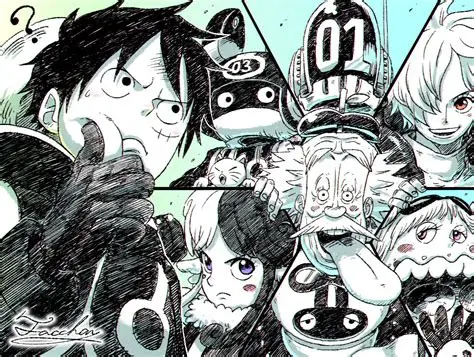

An editorial misstep or a mangaka’s blind spot? The internet weighs in.
The latest chapter of One Piece has triggered a wave of reactions online, not for a major plot twist, but due to Eiichiro Oda’s Japanese phrasing. In a critical scene where a nation faces destruction for failing to pay the Heavenly Tribute (天上金 – Tenjōkin), characters state they cannot “calculate” (算出 – sanshutsu) the funds. Readers quickly pointed out that the correct term should have been “secure or scrape together” (捻出 – nenjutsu), sparking a debate about the manga’s proofreading process.
The Real Target: Shueisha’s Editorial Team
While some critics targeted Oda’s vocabulary, the overwhelming consensus among Japanese readers is that the fault lies with the editorial department. The core issue isn’t the mistake itself, but that it slipped through proofreading and made it to print in Weekly Shonen Jump. Commenters questioned why highly educated editors at Shueisha failed to correct it, suggesting that the environment around Oda might have become too permissive.
The “Emperor’s New Clothes” Phenomenon
Many online reactions painted a picture of a studio where no one dares to correct the legendary author. Users imagined the dynamic between Oda and his staff, highlighting a perceived culture of yes-men.
- Editor: “Wow! Amazing as always, Oda-sensei! (It’s ‘secure,’ you high-school dropout…)“
- Assistant: “If I point this out, Sensei will get mad…”
- Fans: “Oda never makes mistakes… could this be a foreshadowing!?”
One user summed up the frustration: “It’s not a matter of Oda being stupid; it’s that the editors literally aren’t doing their jobs. They aren’t proofreading anything.”
A History of Misused Words
This isn’t the first time Oda’s vocabulary has come under scrutiny. Readers noted that recent chapters have seen an increase in misused words and typos, mentioning past terms like “奢り” (treating someone) and the coined term “疎外心” (alienation heart). Because the author spends his life drawing manga, commenters argue his knowledge can naturally become biased, which is exactly why editors exist — to bridge that gap and ensure quality control for a weekly serialization.
Questions Worth Asking
- Has Eiichiro Oda reached a status where editors are too intimidated to offer constructive criticism, unlike past legends like Akira Toriyama who reportedly received harsh critiques from his editors?
- Should Shueisha implement a stricter proofreading system for weekly magazine chapters, or is relying on corrections for the compiled tankobon volumes an acceptable industry standard?
- Do these linguistic errors break the immersion for the audience, or are they simply minor bumps in an otherwise monumental narrative that fans will quickly forgive?



Leave a Comment