

The production committee from Bandai Namco Filmworks dropped some excellent news mid-week for fans of romantic comedies. It was officially announced that the sleeve of idols Promise Me the Spotlight — known in Japan by its very long title Watashi or Center ni Suru to Chikaimasuka? — will make the leap to television with its own animated adaptation.
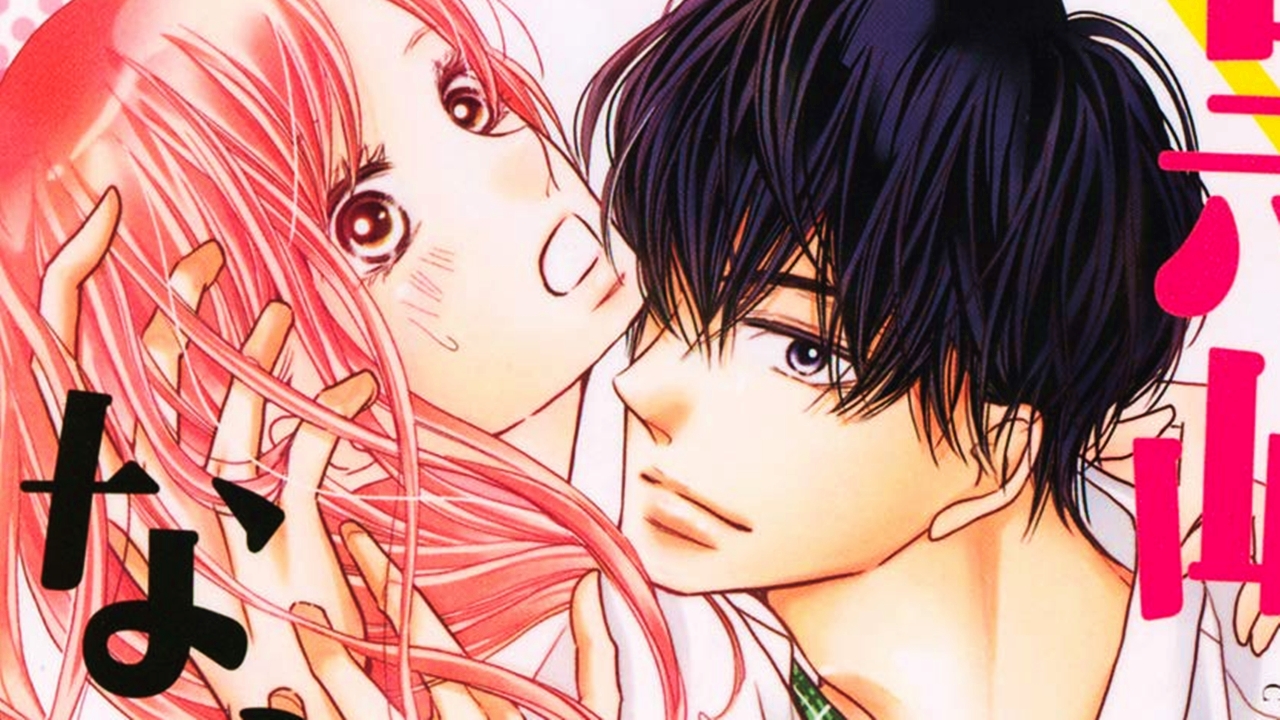
The surprise announcement came accompanied by a first conceptual visual art, while the creator of the original work, Jun Wakatsuki, published a commemorative illustration to celebrate this important milestone in his career.
♥・┈┈☘🍓TVアニメ化決定🍓☘ ┈┈・♥
『私をセンターにすると誓いますか?』
通称『#私セン (#ワタセン)』がTVアニメ化決定!瑞希と幸一の関係性が描かれたティザービジュアルを公開いたしました!!
原作:若月ジュン (@bt_d) (講談社「マガポケ」連載)
🌐https://t.co/kHouBJ88Au pic.twitter.com/UF3CGiTZZx
— 私をセンターにすると誓いますか?【アニメ公式】 (@watacen_anime) July 8, 2026
The Premise — A Cheeky Twist on Idol Fantasy
The narrative follows Mizuki Natsuno, who unfortunately holds the painful title of being the least popular member of the acclaimed idol group Melty Strawberry. On the other side we have Koichi Okuta, her number one fan who leaves soul and wallet fervently supporting her in every performance.
Although the golden rule dictates that a fan should never cross the line with their idol offstage, a series of crazy events ends up forcing them to live together under the same roof.
The deal that seals this strange coexistence is clear:
If he manages to make her the “Center” — the central figure of the group — they can get married.
It takes the standard idol-fan fantasy and twists it into a transactional, goal-oriented contract. It is less about wish-fulfilment and more about a collaborative project. The genre typically deals in emotional resonance and character-driven arcs. This swaps some of that sentimentality for a clear, almost strategic objective.
- The question becomes less “will they fall in love?”
- And more “can they execute a successful campaign?”
The Bumpy Road of the Original Work
The success of this franchise has quite a bit of merit considering the editorial hurdles it had to overcome. Jun Wakatsuki began to serialize his work in the pages of Shonen Magazine Edge from the giant Kodansha during .
However, the abrupt closure of the publication the following year almost left the project in final limbo. That usually spells the end.
Fortunately, the story managed to survive by moving to the app Magazine Pocket, where it maintained a sufficient level of popularity to guarantee:
- The release of its sixth compilation volume this
- And justify the budget to reach the anime
That kind of resilience in the market often translates to a loyal, if not initially massive, readership. It is a survivor.
The Real Test Now Is Scale
The anime adaptation is the natural next step in that climb. Production committees do not greenlight projects without assessing that core support.
Considering the current saturation of stories focused on the Japanese music industry, every season brings another polished group, another set of dreams. The idol-centric story space is crowded.
Does this specific premise — the fan as active strategist in a contractual arrangement with his idol — have the right kind of friction to stand out? Is the goal-oriented dynamic more compelling than the usual slow-burn emotional discovery?
Questions Worth Sitting With
- Does the shift from a purely emotional bond to a transactional pact with a clear end-goal make the fan-idol power dynamic more, or less, palatable?
- In a market saturated with idealized idol stories, does the “least popular member” angle feel like a refreshing underdog narrative, or just a harder sell?
- Ultimately, what does this adaptation need to do to justify its place in a stacked season? What is the one thing it must get right?






Leave a Comment