
Japanese Manga Dominates the 2025 Harvey Awards Nominations
The American comics industry has no choice but to continue recognizing the overwhelming Japanese dominance. The organizing committee of the prestigious Harvey Awards has released its official list of nominees for this year’s edition, making it clear that Japanese franchises are the true heavyweights of the season.
These awards, unlike other Western accolades, are chosen directly and exclusively by industry professionals through a pure peer-vote system. The winners will be revealed on during the frenetic activities of the New York Comic Con. What this slate reveals is subtle but unmistakable: Japanese franchises are not guests at the table—they are the main event.
Best Manga: A Masterclass in Authorial Vision
In the always coveted category of Best Manga, this year’s contest is full of true literary gems. The field reads like a concentrated lesson in distinct authorial voice. Naoki Urasawa and Takashi Nagasaki make an appearance with their acclaimed conspiracy thriller Billy Bat, going head-to-head against Kazumi Yamashita’s Land, Fumiko Takano’s Miss Ruki Iijima Ichiro, My Gorilla Family, and Rintarō’s My Life in 24 Frames per Second. The pressure to pick a winner is immense, considering that last year’s trophy was claimed by the popular Delicious in Dungeon and that in previous editions Chainsaw Man held a three-year winning streak of absolute dominance. The precedent is clear: these awards consistently seek narrative and artistic distinctiveness over sheer popularity alone.
Best Adaptation: The Real Battleground
The real morbidity—and the most telling move—lies in the category of Best Adaptation of a Comic or Graphic Novel, where the Asians threaten to sweep the floor in front of the giants of the West. On the side of animated and live-action adaptation, the contenders are nothing short of titanic:
- Chainsaw Man – The Movie: Reze Arc, the highly anticipated first film of its trilogy
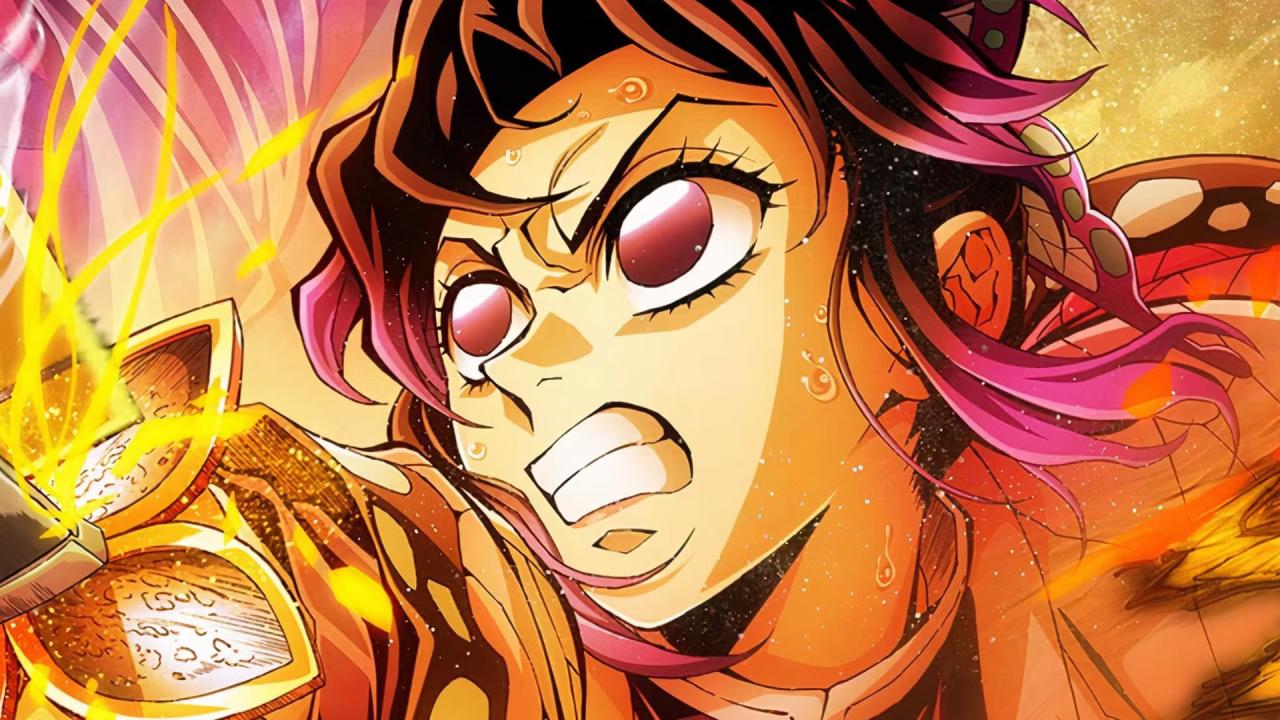
- Demon Slayer: Kimetsu no Yaiba Infinity Castle – Akaza Sairai, the first installment from the Infinity Castle arc
- The lethal final season of My Hero Academia
- The second installment of the live-action One Piece
- The impeccable Korean film Your Letter
This entire squad will try to snatch the award from massive Hollywood productions representing Western heavy artillery:
- The fifth season of The Boys
- The brutal fourth installment of Invincible
- The second season of Peacemaker
The nominees are betting on something fundamental. The Western shows operate on a blueprint of deconstruction and satire—their visual language is built on critique. The Japanese contenders, by and large, are engineered for direct emotional resonance, for that hit of visceral, unfiltered feeling.
What a Japanese Sweep Would Actually Signal
The question isn’t really who wins. The more precise observation is what a win for the Japanese slate would mean. It would signal that industry professionals—the people who make and publish this stuff—are voting for a specific kind of storytelling, one that prioritizes raw emotional payoff and cohesive visual identity over meta-commentary. It is a vote for a certain efficiency of effect, not just commercial momentum. Considering the absurd level of popularity and box-office receipts of the upcoming Demon Slayer and Chainsaw Man films, a difficult question emerges: is the Western superhero adaptation’s main advantage now just its cultural footprint, rather than its craft? When the professionals who understand the mechanics are consistently pointing eastward for the most effective execution, the internal health of the dominant Western model deserves serious scrutiny.
- If the storytelling tools honed in manga and anime—pacing, emotional architecture, panel-to-screen translation—continue to prove more effective for mass engagement, how long before Hollywood doesn’t just adapt the stories but openly adopts the narrative frameworks themselves?
- Could this sustained recognition create a feedback loop, where the best Western creators feel less pressure to work within the traditional superhero mold and instead gravitate toward projects that emulate the focused, character-centric energy of their Japanese counterparts?
- Ultimately, is the award itself the prize, or is it now simply a very public barometer of where the most influential storytelling energy is currently being generated?




Leave a Comment