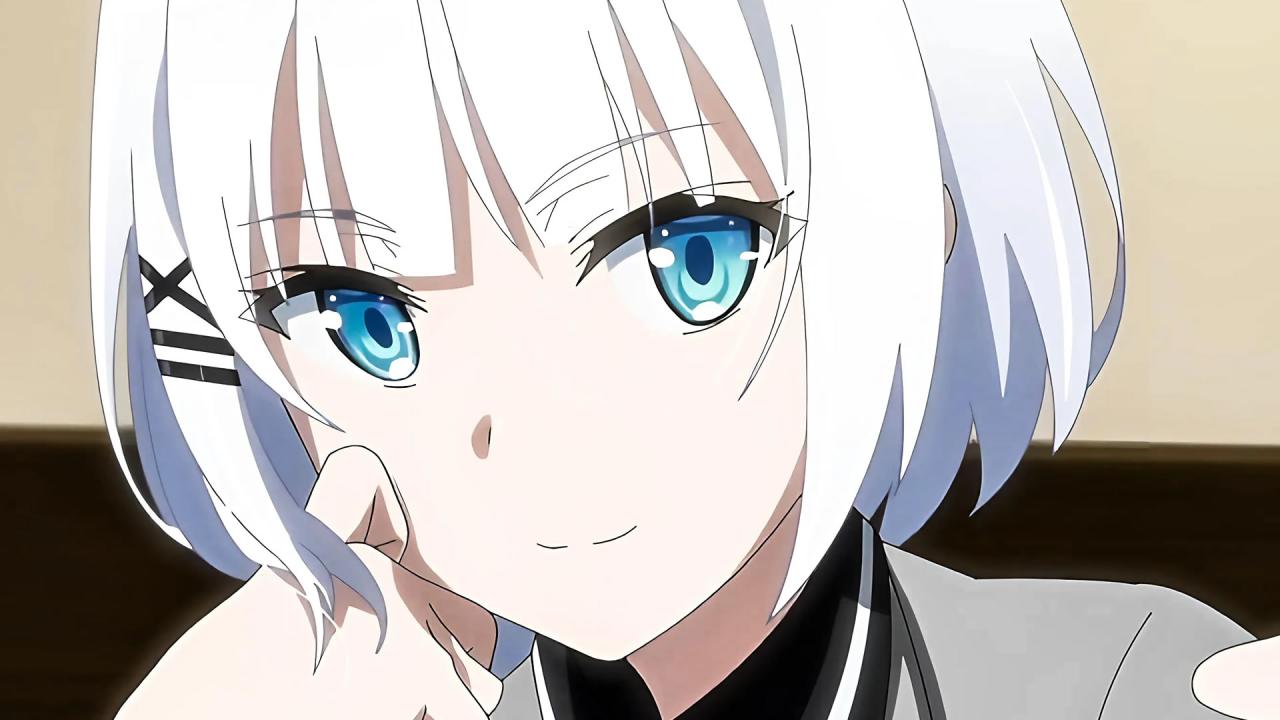

A bucket of cold water wrapped in a spectacular promotional video — that’s the best way to describe what the production committee just served us. Originally planned to debut next July, the second season of The Detective Is Already Dead (Tantei wa Mou, Shindeiru) has been officially pushed back to October 2026. The delivery mechanism? A frankly stellar second main trailer that doubles as a strategic reassurance rather than a mere teaser, presenting new promotional images of the cast and confirming exactly who will be setting the pace for this new chapter of the mystery.
Here’s what matters: ENGI isn’t shuffling its pieces. This isn’t a panicked regroup — it’s a consolidation. Director Manabu Kurihara remains immovable in his chair, supported by the experienced Deko Akao handling script structure and Yōsuke Itō continuing his work on character design. The team is locked, stable, and deliberate.
The intriguing shift lives in the sound department. Renowned producer 40mP now steers the entire soundscape — composing the general soundtrack and writing and arranging both musical themes. That’s a significant vote of confidence in a single creative vision for the series’ emotional rhythm.
- Opening theme:
Kono Shinzō ni Hanabata o
— performed by Kōme - Ending theme:
Hakuchumu
— marks the return of artist Kagura Nana to the franchise
Voice Cast — A Fascinating Study in Contrast
The casting pairs rising talents alongside established voices, creating a smart blend of new energy and proven reliability.
- Arata Nagai (rising actor) as Kimihiko Kimizuka
- Saki Miyashita (rising actress) as Siesta
- Ayana Taketatsu (The Quintessential Quintuplets — Nino Nakano) as Nagisa Natsunagi
- Kanon Takao (Diary of Our Days at the Breakwater — Hina Tsurugi) as Yui Saikawa
- Saho Shirasu (Summer Time Rendering — Mio Kofune) as Charlotte Arisaka Anderson
Taketatsu’s recent work is still fresh in fans’ minds, making her addition to this lineup feel especially well-timed.
Siesta’s Untouchable Legacy
Despite this bump in the schedule, the health of the literary license remains enviable. The original story, written by Nigojū and illustrated by Umibōzu, began publication under Kadokawa‘s MF Bunko J imprint at the end of , winning the award for best rookie work that same year.
A young man down on his luck ends up as assistant to a legendary world-class detective, only to confront the emptiness and global consequences of her mysterious death years later. It’s a rare blend of melancholy and mystery — a sort of nakige for the detective genre — and the story’s core, about living in the shadow of a brilliant, vanished partner, still holds genuine weight.
The universe has continued expanding: the manga concluded in and spin-off novels were published through , keeping the world feeling thoroughly lived-in.
What Does This Delay Actually Buy?
Let’s address the elephant in the room. The first season’s visual narrative was, to be charitable, a bit of a mixed bag. It had moments of genuine visual language that nailed the emotional resonance of the source material, but also stretches where the animation director’s intent seemed to get lost in the pipeline. This three-month delay, announced alongside such a polished promotional video, feels less like a setback and more like a calculated adjustment — the production equivalent of taking a steadying breath before a precise shot.
An extra quarter-year in the hands of a consistent team isn’t about reinventing the wheel. It’s about chasing perfection on the details that truly frame a character’s expression or a moment’s silence. So the key question shifts from when?
to what will this interval buy?
Does this strategic pause signal a more ambitious visual goal for the second act? And, more broadly — in an industry where release dates often feel like immovable deadlines — what does a transparently communicated delay like this say about a production committee’s actual faith in its material?






Leave a Comment