

At AnimeJapan 2026, the stage event for Rascal Does Not Dream of a Dear Friend made one fact unmistakably clear: the long emotional arc of the franchise—known affectionately to fans as Aobuta—is now moving towards its final cadence.
Kaito Ishikawa (Sakuta), Asami Seto (Mai), Aya Yamane (Ikumi), and Manaka Iwami (Miori) together framed the forthcoming film not simply as another instalment, but as the work that will bring the anime series to its conclusion.
That sense of culmination mattered because the franchise has travelled a considerable distance since the first television series aired in 2018. Over the years, Aobuta has distinguished itself by turning the language of adolescent unease into speculative drama—repeatedly using
"Adolescence Syndrome"
as both narrative engine and emotional metaphor.
Against that background, the atmosphere at the event oscillated between celebration, affection, and a very audible reluctance to let go.
Collapsing the Distance
Ishikawa established that emotional register from the outset. Greeting a packed audience, he waved with a grin and joked that he was merely a serious actor “a pig-headed rascal who just happened to be on stage.”
The line landed as comic self-parody, yet it also did something more subtle: it collapsed the distance between performer and fandom. In a series whose appeal has long rested on intimacy—on characters who speak with disarming directness about pain, vulnerability, and desire—that opening joke reaffirmed the shared culture that has grown around the work.
The Weight of Understanding the Impossible
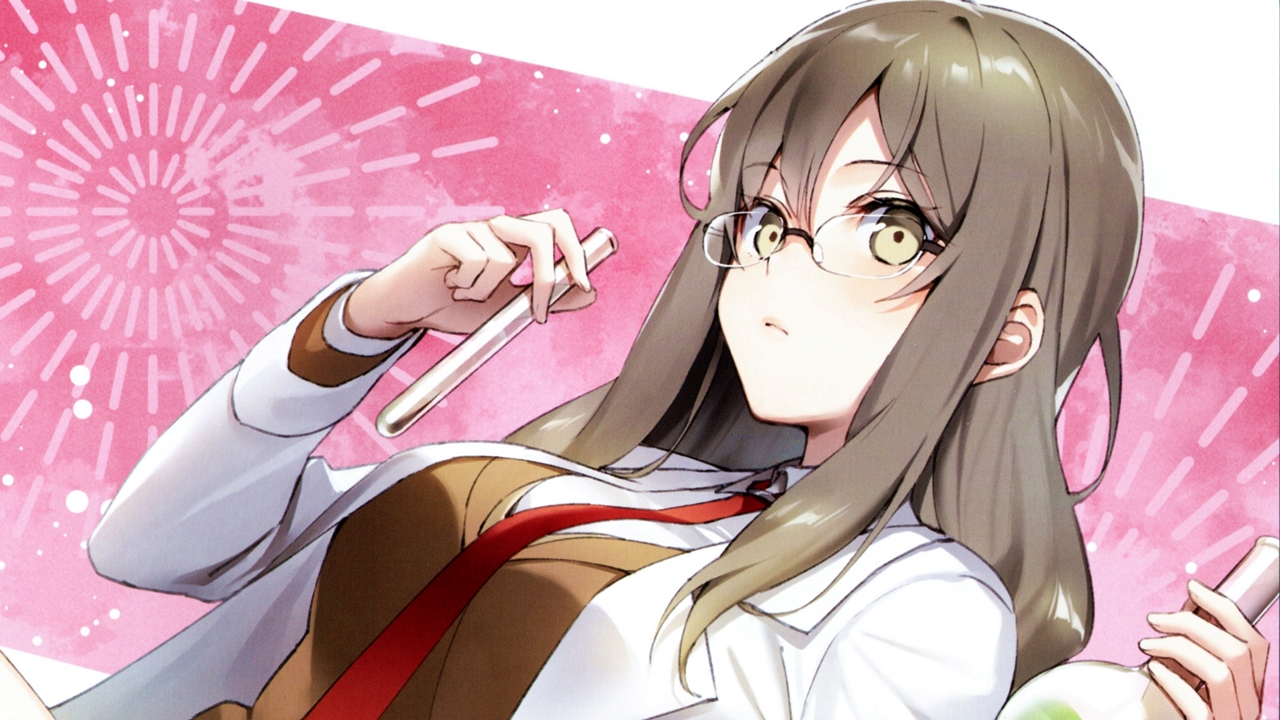
Discussion returned to a key conceptual pillar: the many forms taken by Adolescence Syndrome across earlier arcs. The panel highlighted the syndrome surrounding Ikumi Akagi, whose predicament involves switching places with another version of herself from
"a world of another possibility"
Yamane admitted the material was difficult to grasp at first. She studied it carefully, even writing parts of it out in order to understand its logic.
Her comment was revealing. Aobuta has always asked its audience to balance emotional responsiveness with interpretive attention; its supernatural conceits are just for show never merely decorative, but structurally tied to identity, regret, and self-recognition.
The Moment That Stopped the Room
When Yamane wondered aloud whether another version of herself might be living a different life in another world, Ishikawa immediately turned the idea into a declaration of artistic loyalty.
“After eight years of playing Sakuta Azusagawa, there was absolutely no chance I would give up that position. It is not a role I want to hand to anyone else.” — Kaito Ishikawa
The remark drew laughter, but its force lay in its sincerity. Long-running anime franchises often speak of “connection” between actor and character. Ishikawa’s wording went a step further: it suggested guardianship, even possessiveness in the best sense—a refusal to surrender a role that has matured alongside him and the audience.
October 16th — Now It Feels Real
The event delivered its headline announcement: Rascal Does Not Dream of a Dear Friend will open in cinemas on 16 October.
A teaser PV was unveiled, and the cast disclosed that dubbing had only just been completed. That detail sharpened the mood on stage. Several performers admitted, with knowing glances at one another, that they felt as though they might accidentally let spoilers slip if they spoke too freely.
Such nervousness is often routine at promotional events, yet here it carried extra weight, because the film is being framed as the final answer to mysteries that have threaded through both the high-school and university chapters of the story.
Within the teaser, the large phrase
"Aobuta Complete"
appears on screen—and that wording struck the cast quite deeply.
Ishikawa said that seeing it made the ending feel real at last. Seto observed that hearing the word “complete” inevitably felt lonely.
Her response neatly captured the double movement now surrounding the franchise: just sadness grief at closure, certainly, but also gratitude that the story is being allowed to end with shape and intention rather than drift into indefinite continuation.
She added that she was already looking forward to the talk events that will follow once audiences have actually seen the film—a comment that recognises a central truth of Aobuta: this has always been a series that invites discussion after the credits roll.
What Each Performer Carries Forward
- Iwami said she was both excited and nervous to discover what kind of Miori viewers would encounter in Dear Friend
- Yamane noted that Ikumi plays a meaningful supporting role in helping Sakuta approach the mystery at the heart of the new story—she urged audiences to watch the characters’ efforts through to the end
- Seto reflected on the long time cast and fans have spent together and said she found it heartening to imagine viewers receiving the film’s message directly and sincerely. She also spoke of her admiration for Mai Sakurajima, describing Mai’s breadth of heart and firmness of character as qualities that remained impressive even from within the act of performance itself.
Six Months — That’s What You Have
Ishikawa closed on a note that felt both valedictory and practical. He said the cast and audience had, in effect, been running through adolescence together for years—as the ending approaches he feels both moved by the journey and reluctant for it to stop.
At the same time, he expressed real happiness that the work appears to be drawing together beautifully.
“For those who may not yet be fully caught up with the franchise: there is still time. With roughly half a year remaining before release, use the coming months to watch what you have missed and join the final run towards Dear Friend.”
Even the Photo Session Mattered
After the four principal cast members posed together, the event’s familiar MC from many past Aobuta appearances was invited into the frame—only for Ishikawa to politely adjust mischievously nudge him a little farther away, provoking laughter in the hall.
It was a minor comic beat, but an eloquent one: the franchise’s public life has not been sustained by story alone, but by an ensemble atmosphere in which cast, staff, hosts, and audience have grown recognisable to one another over time.
What This Finale Actually Owes
As a concluding instalment, Dear Friend now carries an unusually clear mandate. It is not merely the newest chapter; it is the final work that promises to resolve the remaining enigma of Adolescence Syndrome across the franchise’s high-school and university periods.
If the AnimeJapan stage event demonstrated anything, it is that the film’s significance lies not only in plot twists plot resolution, but in the emotional contract it must honour:
- Between character and actor
- Between actor and audience
- Between audience and the years they have already invested in this story
Three Questions Before October
- How will audiences respond when Aobuta turns its long meditation on adolescence into a definitive ending rather than another continuation?
- What unresolved layers of Adolescence Syndrome remain to be deciphered when Sakuta’s final mystery is at last placed in full view?
- How should long-time followers prepare—emotionally and interpretively—for a finale that promises both explanation and farewell?






Leave a Comment