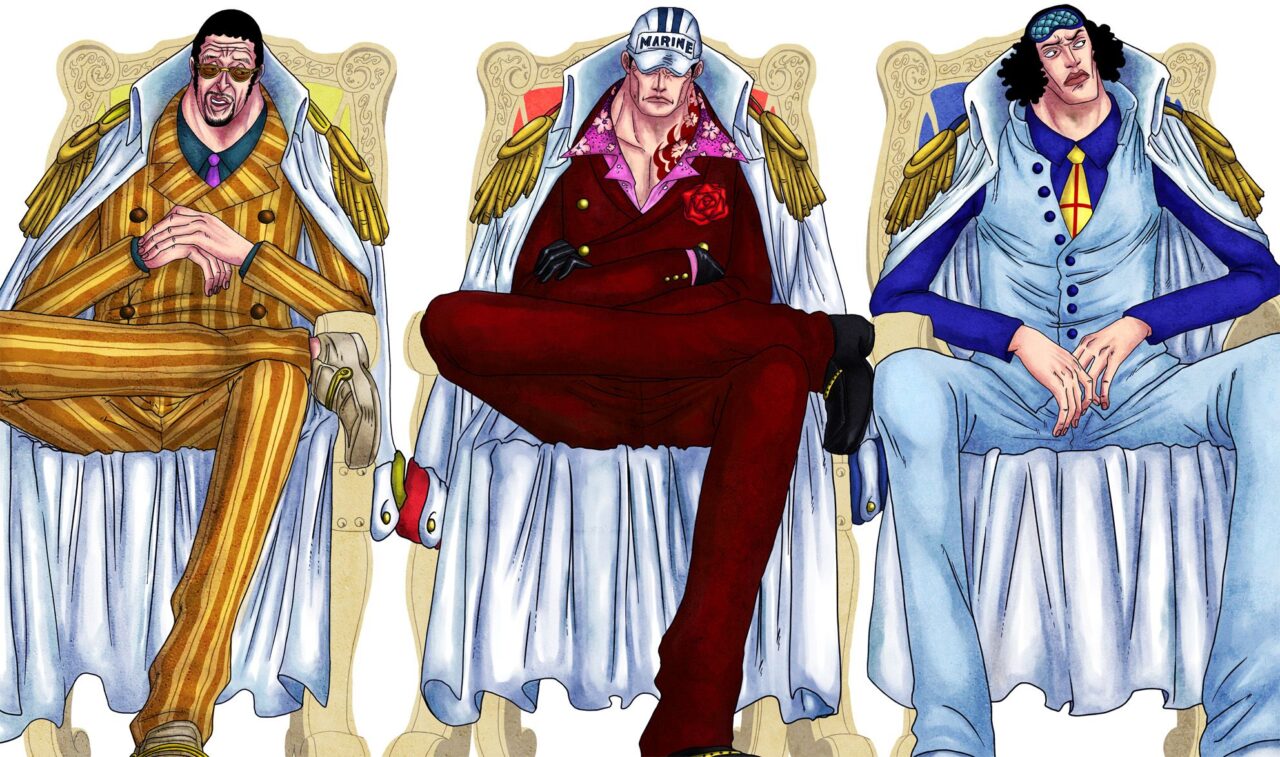

The world of ONE PIECE it can appear complex and complicated in many ways. In the narrative of the epic adventure of Monkey D. Luffy and his companions, the author Eiichiro Oda showed various shades of the concept of justice and represented it primarily through the actions of members of the Navy. There are a few exceptions, however.
Certainly a pirate story focuses on acting according to its own rules and interests, and if one follows the story from the Mugiwara point of view, the brutalities and mistakes of the navy often become particularly clear. Surely many of you will think of that Condemnation of the Portuguese D. Ace during the Marineford narrative arc where it was Akainu himself who later became Grand Admiral Sakazuki for the purpose of inflicting the mortal body on Luffy’s brother.
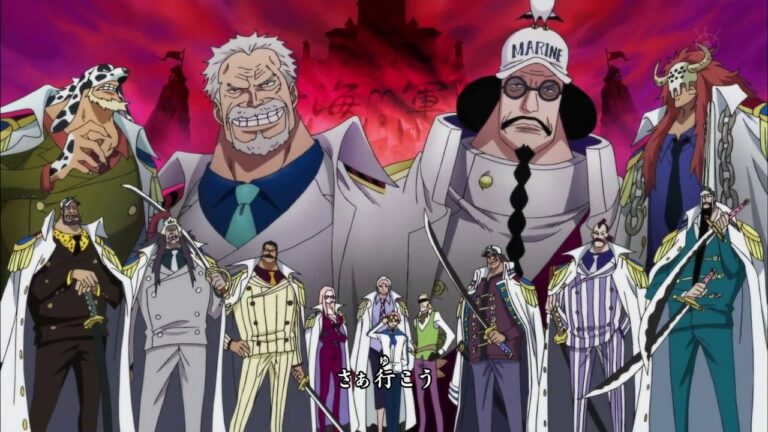
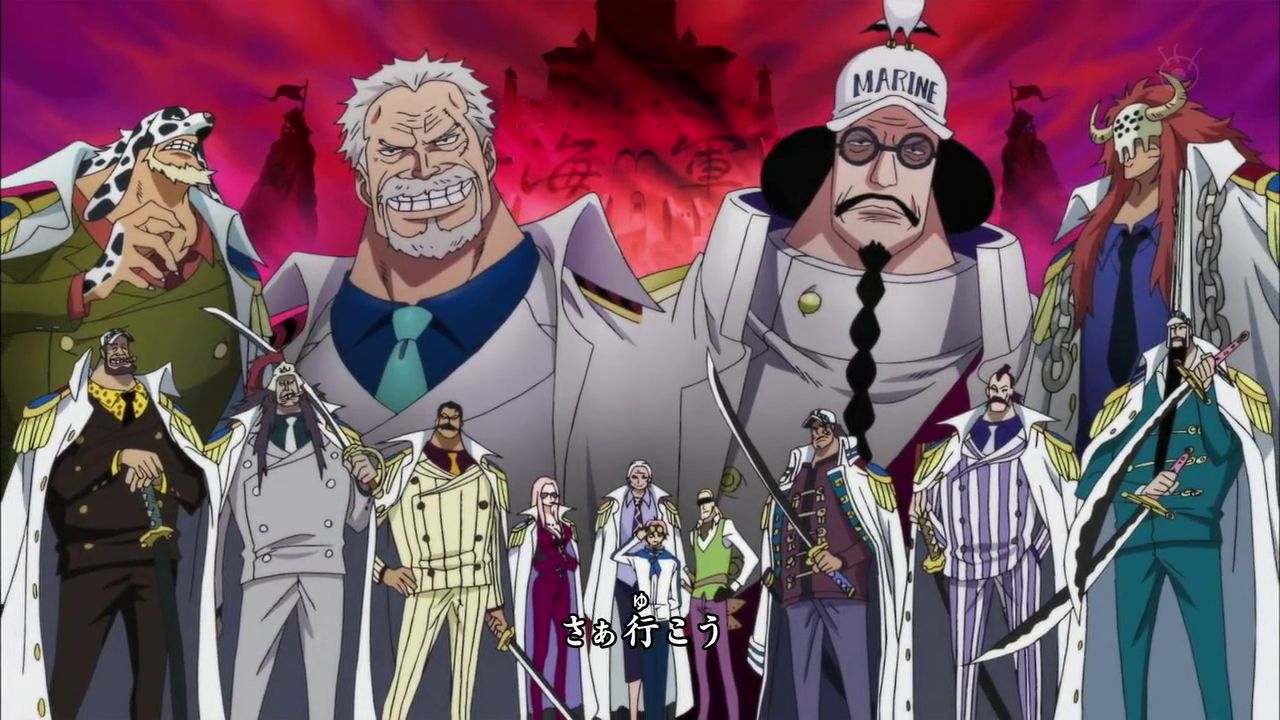
There are also endogenous characters that are among the favorites of many enthusiasts, such as Monkey D. Garp, Koby and Sengoku. This double face of the Navy helps to make the Oda self-created definition of justice in the world fragile, although it makes the portrayal of the characters above realistic, all well characterized and with a different sense of duty, even if they aim at that Enforce rules for everyone to maintain order on a global scale.
The Navy is the embodiment of justice, just think of the writing on their jackets, but not all who are part of it share the same methods of implementing it. Much of the military is a firm believer in absolute justice, which is to blame anyone who breaks the law. Once again, Akainu is a perfect example.
On the other hand, Luffy and his allies also act with a sense of justice and primarily follow the captain’s morals, although Strawhat’s instinctive actions sometimes prove extremely dangerous, such as: when he struck a Heavenly Dragon in the Sabaody Archipelago. This confuses the meaning of justice in ONE PIECE, which we could simply summarize as a concept based on following what is believed to be right. After all, the Mugiwara only pursue their respective dreams.






Leave a Comment