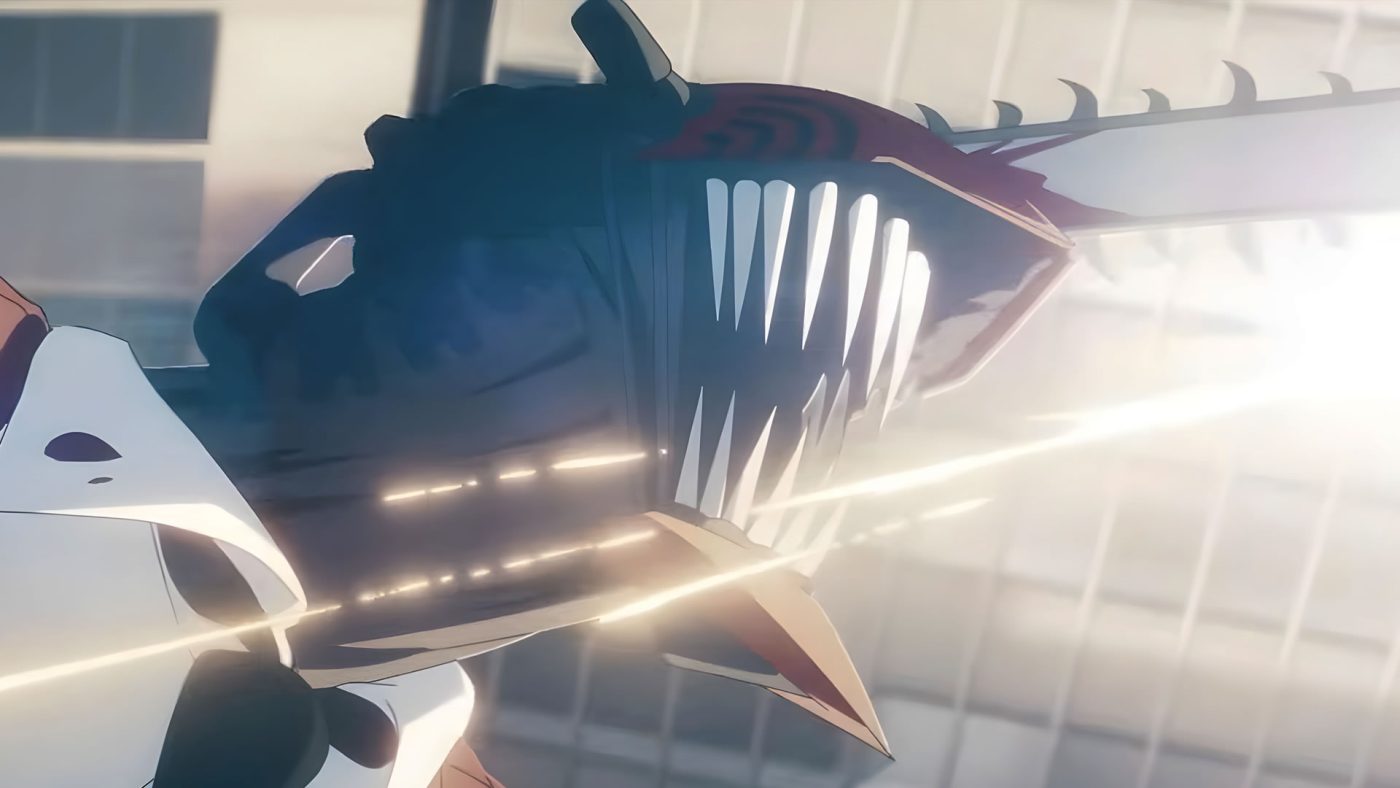

The 15th anniversary event for MAPPA isn’t just a celebration—it’s a statement of intent. For Chainsaw Man fans, the clearest signal was the second teaser for the Assassins Arc. This wasn’t just a trailer drop; it was a confirmation that the production engine is not only running but accelerating in a very specific direction.
What stands out here isn’t just the names, but the deliberate decision to bring them back. Tatsuya Yoshihara, who directed the Reze Arc film, returns to helm this new chapter. Hiroshi Seko remains on scripts, and Kensuke Ushio maintains the sonic identity that has defined the series since its first season. This isn’t a creative reshuffle—it’s a deliberate act of narrative and aesthetic continuity.
- Character Design — Kazutaka Sugiyama, supported by secondary designers Shoichi, Ken Seo, Shun, Hiroyuki Saita, and Naoki Chigira
- Demon Design — Kiyotaka Oshiyama, overseeing one of the franchise’s most distinctive visual elements
- Art Direction — Yusuke Takeda and Taku Munemasa
- Sound Direction — Yasushi Nagura
The visual language, from character designs to demon work, will have the same creative hand guiding it. In animation, consistency of vision is often more valuable than novelty. That’s a telling choice—especially for a franchise at this scale.
The Production Pipeline
The Assassins Arc directly follows the Reze Arc within the manga’s chronology, confirming that production is progressing linearly toward events that continue after the film. This isn’t a standalone project—it’s the next chapter in a unified adaptation. The level of detail in the credits, from a dedicated team of secondary character designers to specific art directors, points to a production that’s scaling up deliberately. That’s how you build a cohesive series rather than a collection of disjointed adaptations.
The Cultural Footprint
Let’s ground this. Chainsaw Man is the manga by Fujimoto—also known for Fire Punch—which debuted in Weekly Shonen Jump in . The first part, the Public Safety arc, concluded in , and the second part, the School arc, continues in Shonen Jump+ since .
We’re talking about a manga with over 30 million copies in circulation, a Harvey Award three-peat for Best Manga, and a film that opened at number one in Japan. There’s a stage play in the works. This isn’t a niche hit—it’s a cultural property.
- Anime — premiered
- Movie: Reze Arc — Japanese theaters , debuting at first place at the box office
- Stage Play — Tokyo and Kyoto, –
MAPPA isn’t just adapting a popular manga—they’re stewarding a franchise with deep roots and extremely high expectations.
The Key Question
The Reze Arc film set a very specific bar—in its cinematic presentation and its emotional resonance. It was, by design, a self-contained tragedy with a focused emotional punch. The Assassins Arc is a broader, more chaotic conflict. Can the pacing and visual storytelling of a series replicate that same intensity, or will it find its own, equally valid rhythm?
- Does the commitment to a consistent production team signal a long-term plan to adapt the entire manga, and what does that imply for the pacing of future arcs?
- In animation, when does stylistic continuity become a creative constraint—where is the line between brand identity and artistic repetition?
- For a story as visually chaotic as Chainsaw Man, how do you balance fidelity to the manga’s frenetic panels with the need for coherent, impactful animation?




Leave a Comment