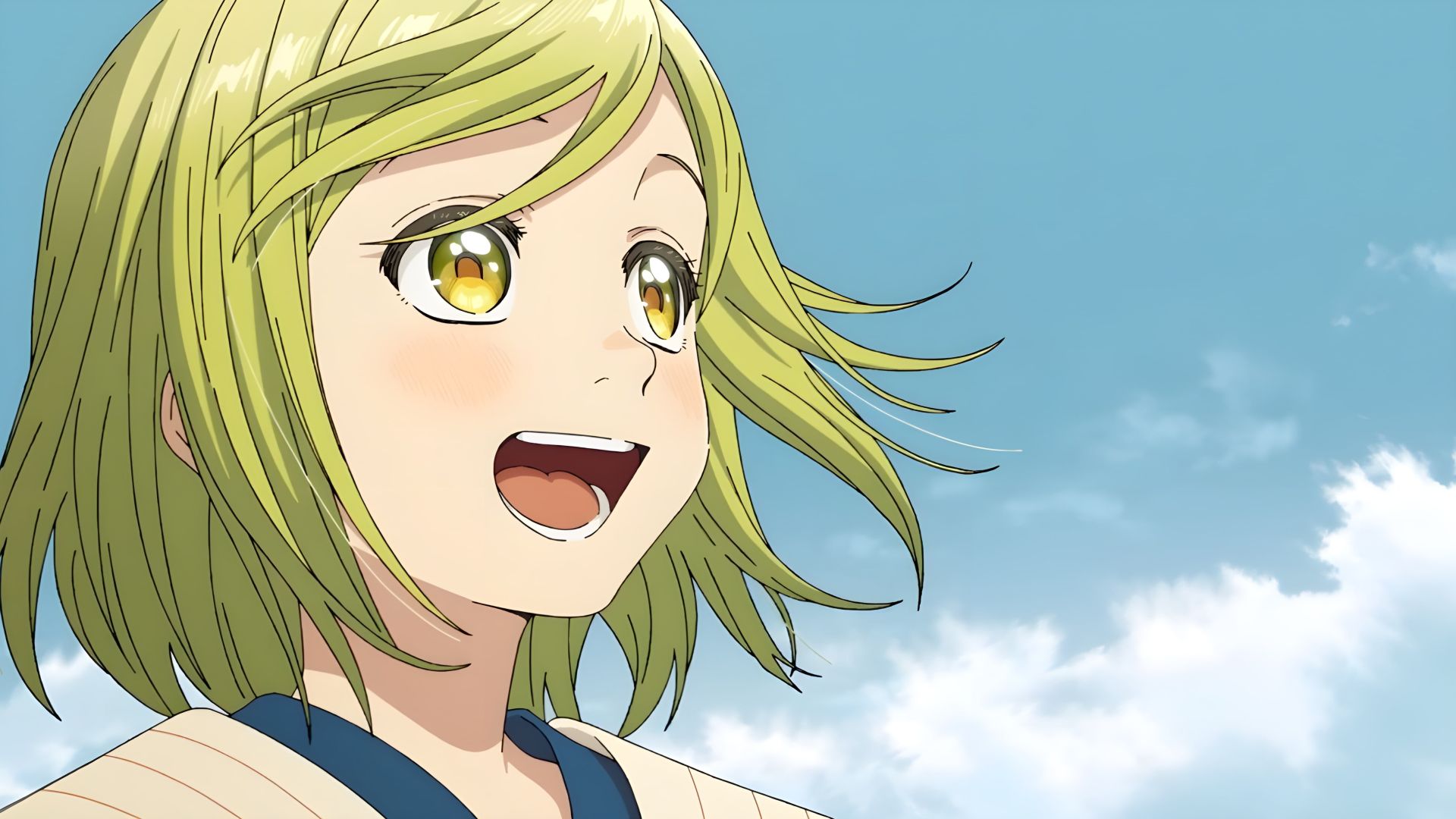

The Witch Hat Atelier anime adaptation has shifted its debut from 2025 to 2026, a decision rooted in grounded commitment to quality. The production team, acknowledging the weight of expectations, has chosen to delay the release to ensure fidelity to the manga’s intricate world. This is not a concession but a calculated thoughtful writer’s choice, balancing ambition with realism.
Strategic Delay as a Narrative Anchor
The announcement, delivered with solemn clarity, underscores a core principle: consistency over haste. By extending the timeline, the team affirms their dedication to delivering a product that mirrors the depth of Kamome Shirahama’s original work. This delay, though frustrating for fans, becomes a narrative tool—transforming anticipation into a promise of excellence.
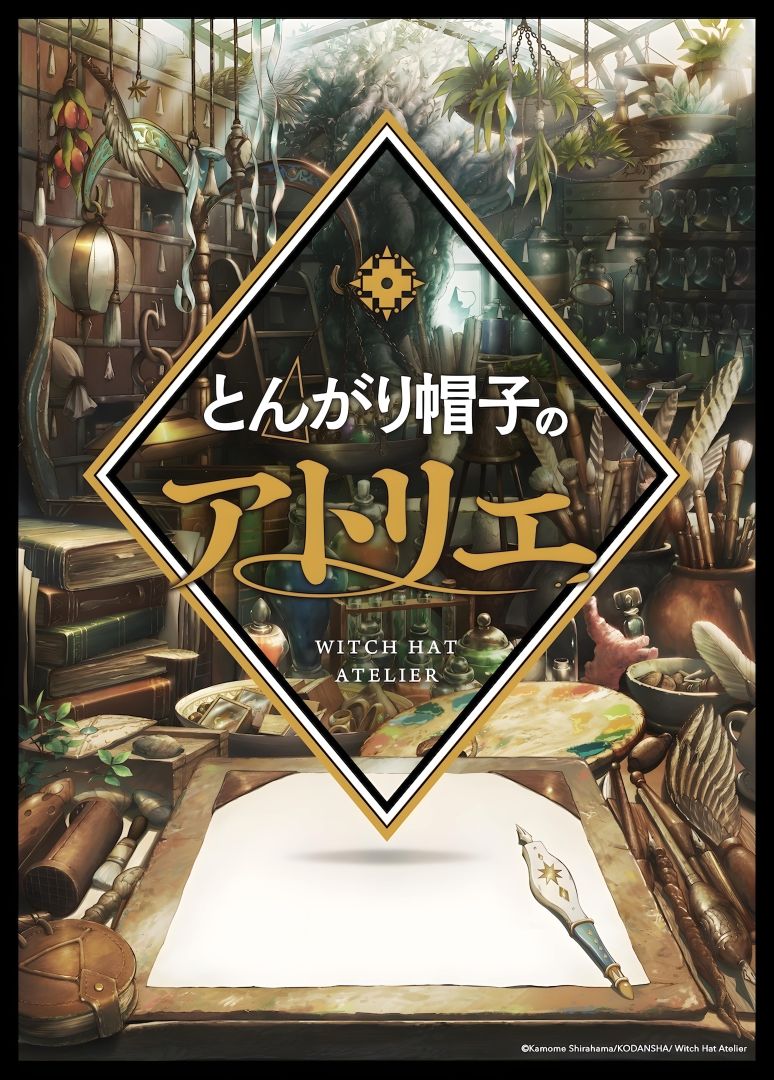
Core Themes of the Adaptation
Coco’s journey—a girl striving to defy the notion that magic is innate—mirrors the production team’s decision to delay. The narrative’s essence lies in challenging assumptions, much like the delay challenges the expectation of immediacy. This thematic alignment reinforces the delay as a deliberate act of storytelling.
Production Craft and Creative Vision
Bug Films, entrusted with the adaptation, brings together a team of seasoned creators: Ayumu Watanabe (Children of the Sea) directs, Kairi Unabara designs characters, and Yuka Kitamura (Bloodborne) composes the score. Their collective expertise ensures the anime will reflect the manga’s depth, a promise validated by the delay.
Conclusion: Patience as a Strategic Advantage
The delay of Witch Hat Atelier is not a setback but a strategic move. By prioritizing quality over speed, the production team aligns with the narrative’s core: that true mastery requires time. As fans await the 2026 release, the delay becomes a testament to thoughtful writer’s commitment to excellence.



Leave a Comment