
This review on Dr. Stone contains spoiler. If you haven’t seen the chapter we recommend that you do it and then go back to read the review.
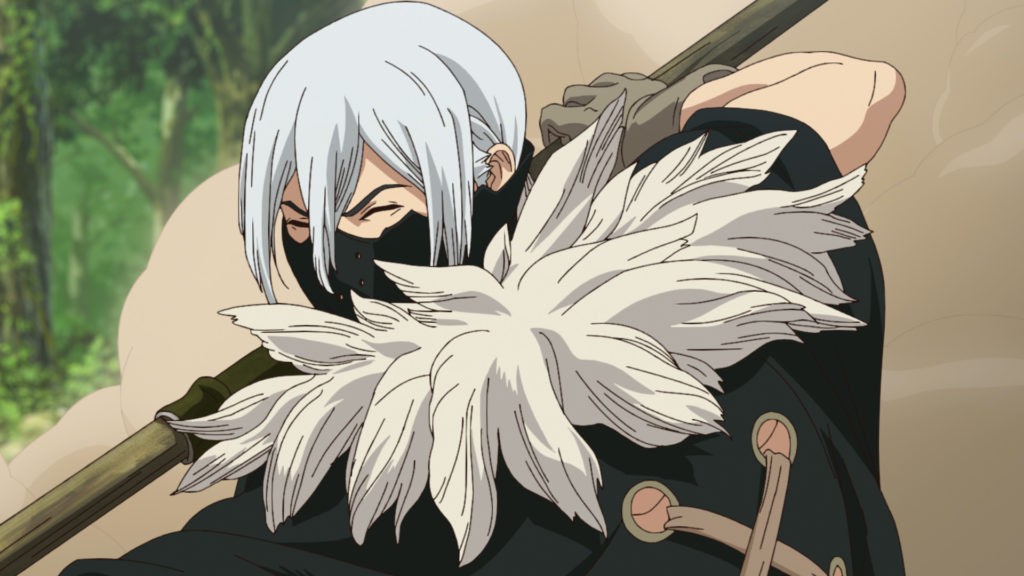
Chapter 9: “He who destroys, who saves”
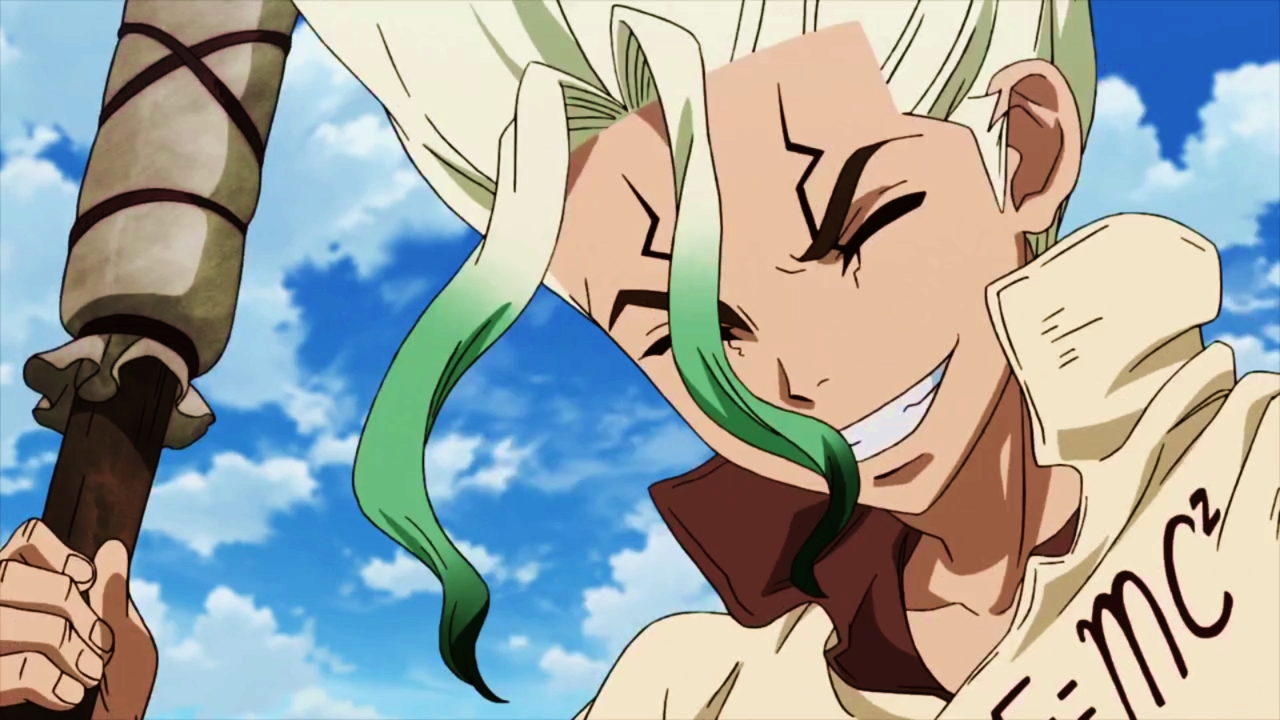
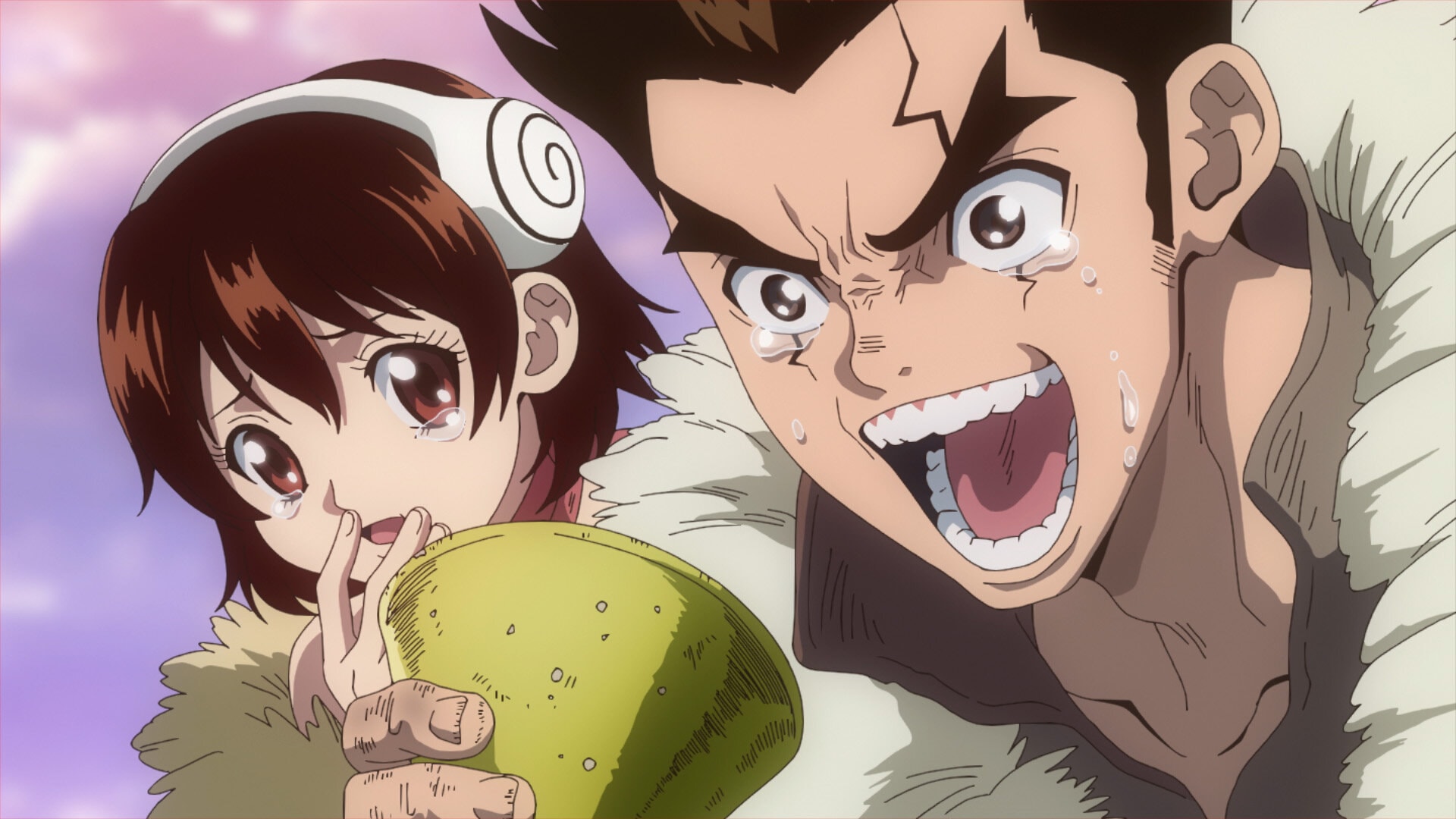
Dr. Stone takes up the argument of the previous chapter at the moment when the allies of the Kingdom of Science are trying to buy time before Tsukasa so that Senku, Chrome and Gen come up with a plan in the “miraculous” cave. Tsukasa and Hyoga are formidable opponents, but the members of the Ishigami village are vehemently resisting. Meanwhile, Chrome is rescuing the remains of the sulfuric acid they used to start the explosion that started their first attack. Along with other ingredients and the glycerin in the soap, you have the option of making nitroglycerin, which is dynamite. Following the initial principle of not causing victims, however, Senku shows strength with the programmed explosion of a paper airplane.
In a stalemate in the attacks, Senku negotiates with Tsukasa. After the stone is reborn, the wounds can heal and thus save his little sister Mirai, who has been in a coma for years due to brain death. Tsukasa, who has spent years of struggle and fame keeping his sister’s treatments up, cannot refuse and decides to surrender. Under the terms of a ceasefire, Tsukasa points out the hospital area and they dig to find it.
Analysis: “Power is science too“”
Dr. Stone does not leave accidental endings in his action and in the teachings that strike in it. In the reviews for the first season, we analyzed many of these aspects that will continue to be highlighted in this second broadcast. For example, didactic explanations about the history of science and man, whether explicit or as metaphors, are constant. Another resource is the concentration of meanings in one object. In this episode, dynamite takes on a symbolic value that serves to reflect:
- Linking the beginning and the end of the war: the soap and the allusion to the title of the story, Dr. Stone. That something has the double edged power to cause death and life is universal in human narrative. It also reaffirms the idea that science is a tool and human ethics make it good or bad.
- Think about the creator of dynamite, who with its proceeds founded the famous Nobel Prize winners. From the value of a weapon of destruction to the impetus for scientific progress. Here he repeats the idea of a coherent life and death. A history lesson about the origins of the well-known awards and a philosophical proposal.
- It brings us closer to the etymology of the Greek word “dynamis”, “force” and thus dynamite. Out of this idea, destroy the opposition that Tsukasa created in the first chapters of Dr. Stoneand completely disarms it.
The key to ending this war lies in the collaborative spirit of science and the tremendous effort behind it, but the most interesting thing about this episode – in addition to Tsukasa’s past – was the resounding assault on the enemy’s beliefs. There is no longer any opposition between the force of nature and science, because the former is the latter. As soon as Senku utters this sentence, the war is over.
Tsukasa, origin and motives
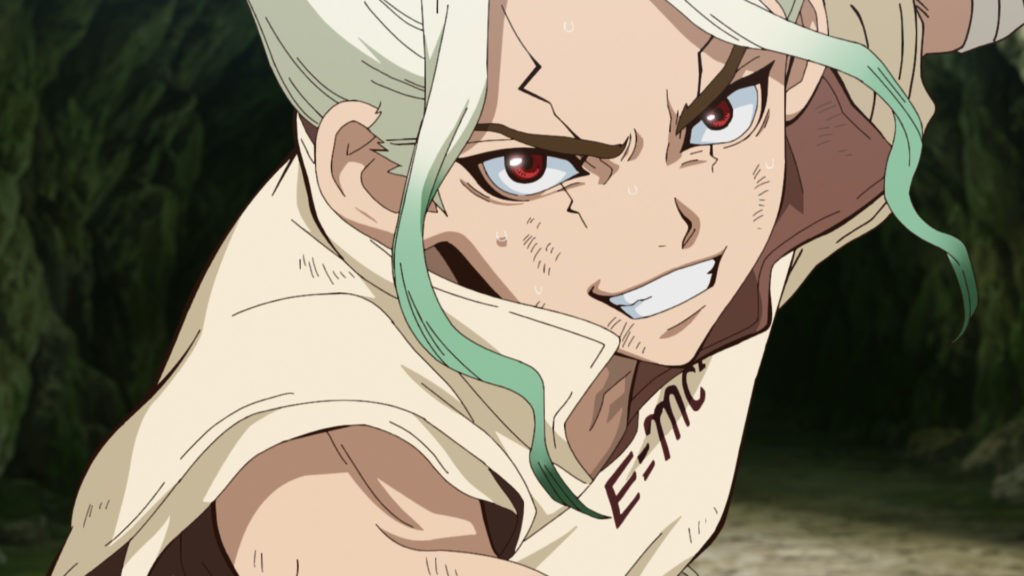
Tsukasa is an extremely attractive antagonist as a character. An enemy of ideals who openly realizes in this episode how he accepted reality and imposed sin to pretend to be God. It is true that in a world where there is no technology, not all of humanity has the resources to awaken. Ah, but Senku is not a naive idealist, and when he says that he wants to save all humanity from the stone, he has his reports in his head. Those of us who follow the manga know well. Our scientist does not plan by chance, Tsukasa did not understand.
However, this apparent arrogance and sociopathy (or the spirit of the victim who recognizes himself as a criminal who must wage evil for the sake of the future) has a personal background that threatens himself to its deepest roots. His family drama has drawn the world of the 21st century as a cruel time when money and the evil of corrupt adults surrounded his life and that of his sister. This deep pain, this trauma is the real source of its causes, no matter how much he wants to separate them from himself. While it makes us ponder nature, human corruption, and our limits, his assassinations of Senku and the petrified people he destroyed have no justification other than the terrible resentment of his heart for the century he was in was so unhappy. .
Obviously he sticks to these principles even though he lost the war. Well, if Mira wakes up from the stone and her struggle is more trauma than sanity, what will happen then? (Manga readers already know the rest will have to think and wait for another chapter).
Finally
Dr. Stone comes to the end of a war that begins at the beginning of its history. The most interesting thing is that Senku defeated Tsukasa not only in war, but also on an intellectual and emotional level. In the rational, the expression “Power is science tooIs succinct: Science and nature are not contradicting each other, and that is why war is becoming less important. Emotionally, the hope of regaining Mirai can move Tsukasa and save him from his darkest feelings.
.


Leave a Comment