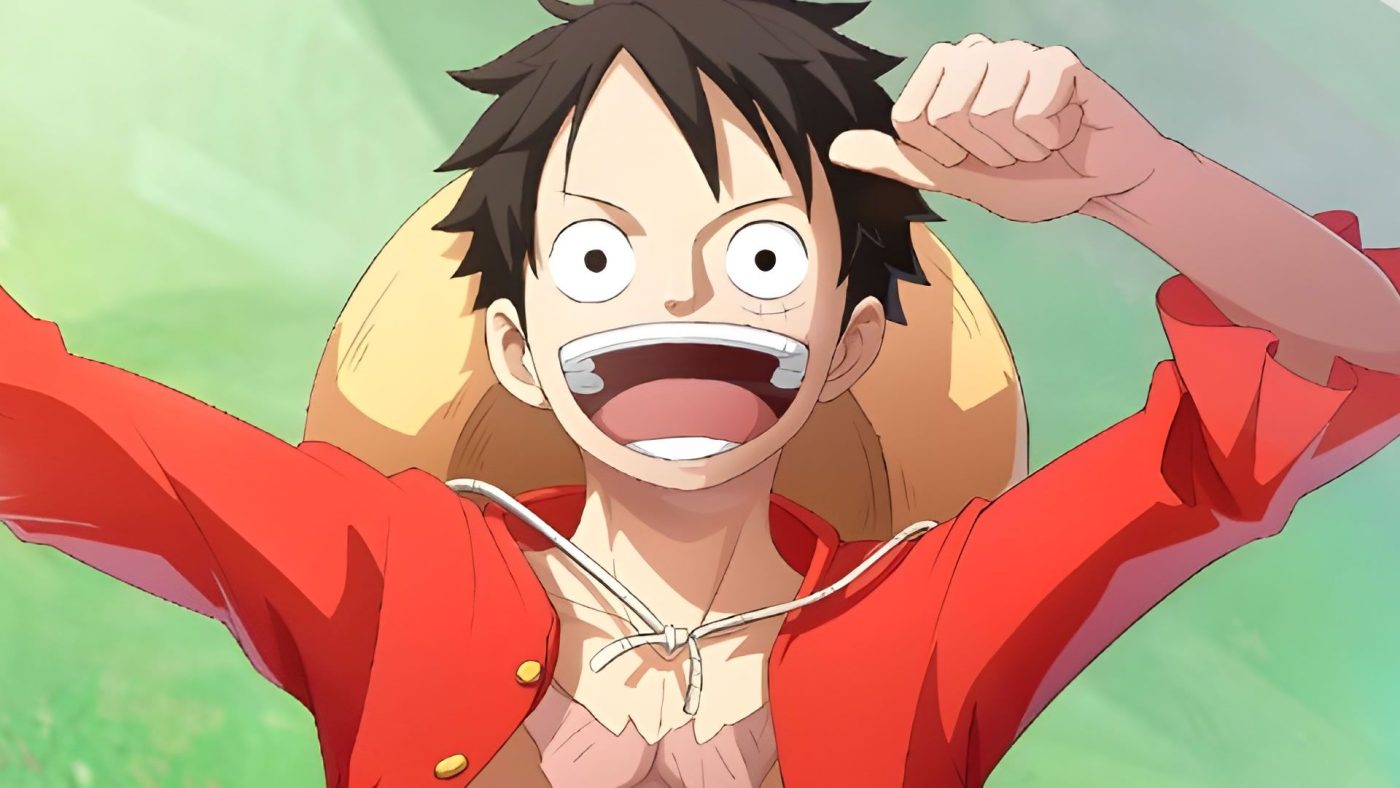

Here’s something most people miss about big corporations: sometimes the most telling moves are the ones you never hear about.
For years, we’ve built a mental image of Japanese publishers as rather tight-fisted conglomerates—stretching franchises until the ink runs dry, throttling fan translations, pushing merchandise until wallets weep. It’s a fair observation, given the evidence. But that’s precisely what makes what happened in 2011 so striking.
Fifteen years after the Tohoku earthquake and tsunami devastated northern Japan, a detail emerged on social media that seasoned industry watchers had completely overlooked. And it came not from a press release or a shareholder report, but from grown adults remembering their childhoods.
The Long Game
Rewind to mid-March 2011. The Tohoku region is in ruins. Entire towns have been scrubbed from the map. Children in six affected prefectures have lost homes, family members, any sense of normalcy.
In the chaos that followed, something curious happened in school libraries. Complete, pristine collections of One Piece—68 volumes at that point—began materialising on the shelves. Not dog-eared donations. Not remaindered stock. Full sets. The kind that would cost a fortune if you walked into a shop today.
Nobody knew where they came from. No news coverage. No grand announcement.
That was intentional.
Pattern Recognition
Former students pieced it together in March 2026, after an old school record from 2012 surfaced online. Shueisha—the publishing titan behind Dragon Ball, Naruto, and countless other juggernauts—had quietly contacted every elementary school in the disaster zone that requested assistance. Their offer was simple: we’ll give your kids something to read.
We’re talking about a company that could have turned this into a PR masterclass. Think of the headlines. The photo opportunities. The corporate goodwill streaming across every trade publication.
Instead, they chose silence. They chose to help without taking credit.
Now, anyone who’s spent time in Japanese schools knows the rules are rather rigid:
- Manga in libraries? Rarely permitted.
- Younger students reading outside the approved curriculum? Policies exist for a reason.
But something shifted. At Otomo Elementary School and others like it, librarians created what one former student called a “pirate exception.” Children could read One Piece during breaks—just don’t take the volumes home.
The result? Libraries that had been hushed, grief-stricken spaces filled with laughter. Kids swapping theories about whether Luffy would become Pirate King. For a few precious minutes, children who had witnessed the unthinkable could lose themselves in a world where the impossible was just another Tuesday.
The Silence Speaks Loudest
What fascinates me here isn’t just the donation. It’s the discipline required to keep it quiet for a decade and a half.
Think about how rare that is. In an industry where goodwill gestures are typically brandished like trophies, Shueisha effectively left value on the table. They declined the credit. The donation wasn’t a transaction; it was simply something they felt they ought to do.
And here’s what really sticks: if that school record hadn’t surfaced, we might never have known. How many other stories like this are sitting in dusty archives, waiting for someone to notice the pattern?
Adults who were those children are now flooding Japanese social media with gratitude. “Thank you, Shueisha! Thank you, Oda-sensei!” The sincerity hits differently when you realise these aren’t marketing posts—they’re genuine memories from people who found brief comfort in the adventures of a rubber pirate and his misfit crew.
- Why do we instinctively assume corporate behaviour is purely transactional—and what does it say about us when that assumption proves wrong?
- If a company can keep something this significant quiet for fifteen years, what else might the industry have done that we simply haven’t unearthed yet?
- In an age where every gesture seems engineered for visibility, how much value are we losing by forgetting that the most meaningful actions often leave no trace at all?




Leave a Comment