

There’s something beautifully absurd about the way Latin American audiences latch onto Japanese oddities. We don’t just enjoy the strange stuff; we adopt it. We give it a home, a nickname, and a place at Sunday lunch.
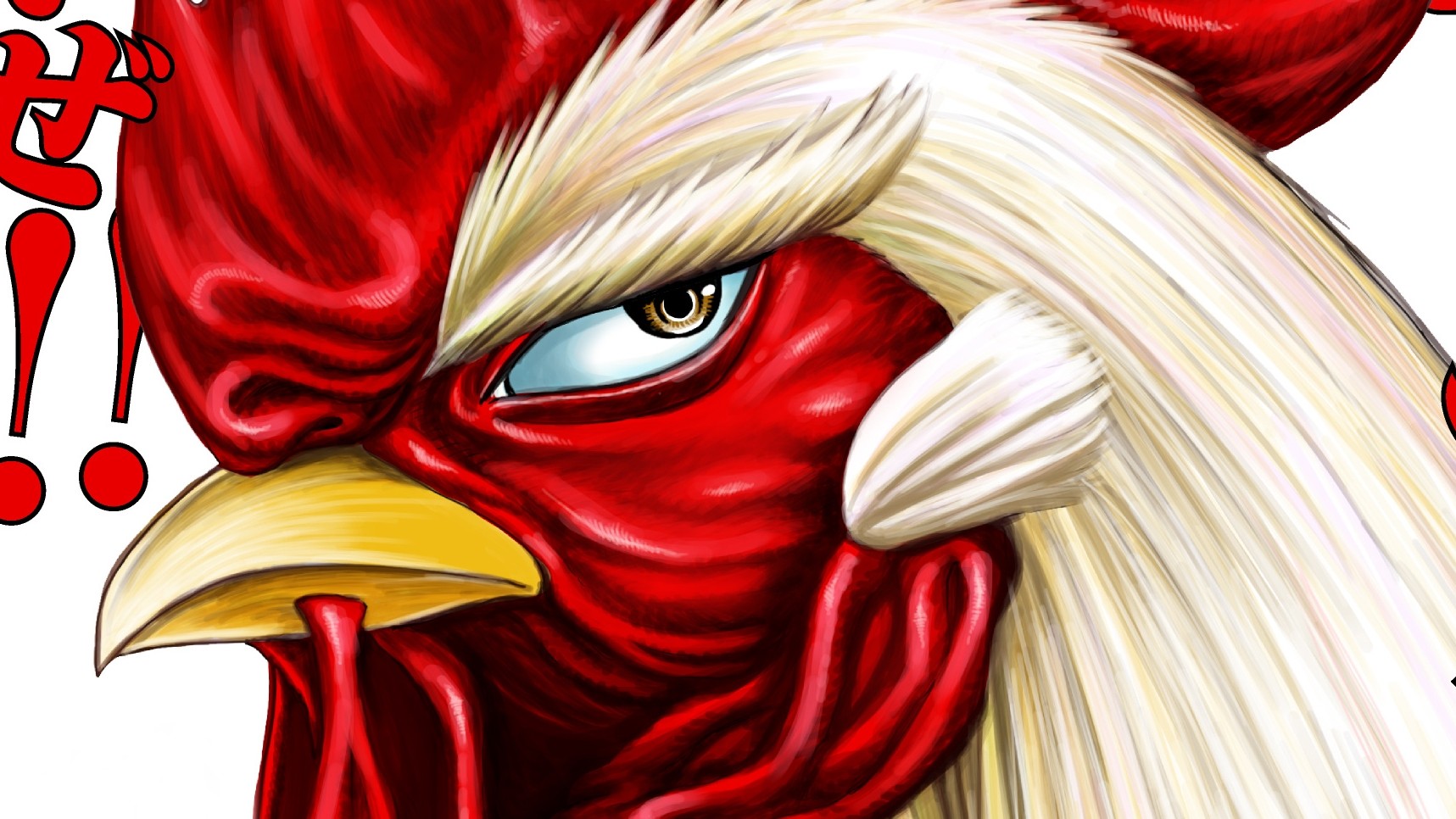
Enter Rooster Fighter—the shonen parody that swaps teenage warriors for an actual, feathered rooster named Keiji, who wanders a demon-ravaged Japan punching mutants and hunting the beast that murdered his sister. Hilarious, brutal, unexpectedly touching. The whole package.
What nobody predicted was the sheer scale of the Latin American obsession. Not a gentle ripple of interest—a proper tidal wave.
The Theories That Raised Eyebrows
After the international premiere in , director Daisuke Suzuki and manga editor Motomura found themselves staring at engagement numbers from Central and South America that made absolutely no sense on paper. So they did what anyone would do: they theorised.
- Theory one: Families across the region keep chickens in their yards, so naturally there exists a “strong family connection” with the protagonist. A feathered friend you’ve known since breakfast.
- Theory two: Latin America’s Christian majority views poultry as “very auspicious”—a symbol of good fortune baked right into the religious fabric.
Yes. The working hypothesis is that we’re watching an anime about a vengeance-driven cockerel because of Sunday school.
The Bird That Flew West First
Here’s the kicker: Rooster Fighter creators Shu Sakuratani and Suzuki didn’t wait for Japan to catch up. Latin America got the series before its domestic April 5 broadcast. The market spoke, and the market wanted its angry chicken ASAP.
Whether Motomura’s cultural read holds water or belongs in the “charming misunderstandings” drawer, the enthusiasm is undeniable. Keiji’s blend of absolute carnage and barnyard slapstick tapped into something regional audiences didn’t know they needed.
When a Japanese editor connects your viewing habits to your livestock and your liturgy, is that a brilliant cross-cultural insight or a spectacular misread?
And if the rooster eventually becomes a Latin American icon regardless of the why—does the reason even matter? Or are we all just pretending we wouldn’t watch a dramatically overpowered chicken demolishing monsters for twelve episodes straight?



Leave a Comment