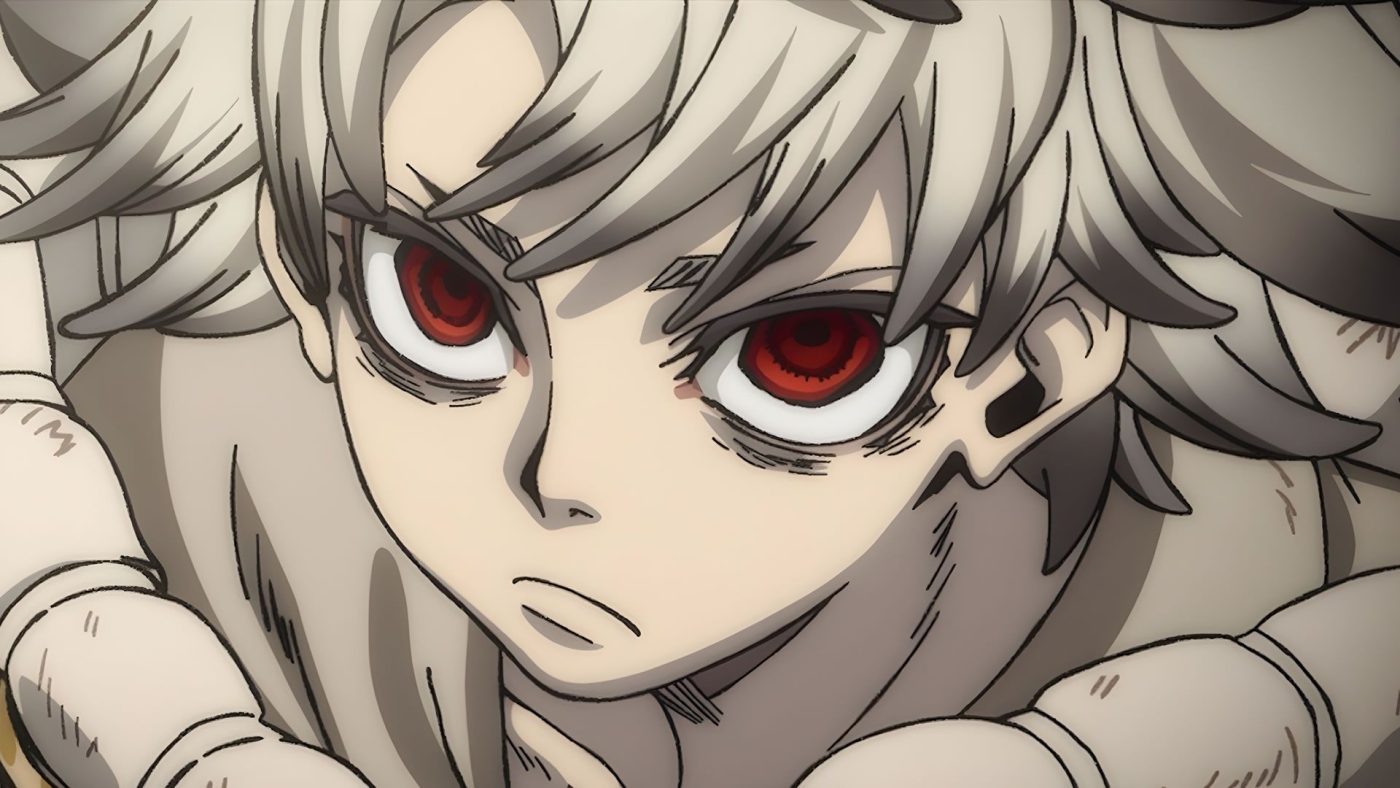

Another day, another cycle of digital projection collapsing. Kei Urana, the mind behind the visceral dystopia of Gachiakuta, has been forced into the position of a myth-buster regarding her own existence. She is dismantling a viral claim that she identifies as non-binary.
The catalyst for this correction was a blunt dismissal posted to her official Instagram account. It featured a screenshot of a rumor juxtaposed with her retort: “Really?”
This direct negation follows her previous refusal to validate fan theories that the character Tamsy is transgender. Urana is drawing a hard line between the audience’s headcanon and her original creative vision.

The Friction of Interpretation
The friction here is undeniable. The creator is actively reclaiming the definition of her work and her identity from a collective that has become too comfortable reinterpreting facts to fit a preferred sociopolitical framework.
A Genealogy of Misunderstanding
Tracing the genealogy of this misunderstanding reveals a critical data gap regarding how localization metadata is weaponized by the public. The confusion originated in 2023, stemming from reports by the news outlet Mogura Manga and the subsequent use of gender-neutral pronouns in French editions of the manga.
Rather than recognizing this as a standard operational security measure employed by Japanese authors—akin to Koyoharu Gotouge’s methods—sectors of the international audience conflated translation anonymity with a declaration of gender identity.
- The reality is pragmatic: Urana utilized neutral avatars as a shield, not a signal.
- It was only upon her decision to reveal her face publicly in 2024 that the discrepancy became undeniable.

The Inevitable Collision
When an artist’s attempt at privacy is repurposed as a flag for identity politics, the resulting collision is inevitable. Urana’s sharp rebuke is the sound of that collision.
The incident serves as a stark warning about the dangers of theorizing authorial intent through the distorted lens of localization and cultural dissonance.
Urana has made it abundantly clear that while passion drives the fandom, it does not grant ownership over her personal reality. With the author’s identity now firmly asserted against the tide of speculation, one has to wonder if the fans will respect the boundary.
If the creator’s explicit word is no longer the final authority on their own life, what is left to believe?






Leave a Comment