

There’s a special breed of entitlement in fandom spaces that would make a toddler blush. You know the type. They take a dash of chemistry between two characters, build an entire cathedral of wishful thinking on Wattpad, and then march into the creator’s mentions demanding their fantasies be signed into law.
This week, Kei Urana—the mind behind the blisteringly good survival manga Gachiakuta—decided she’d entertained quite enough of it.
The Line Was Drawn
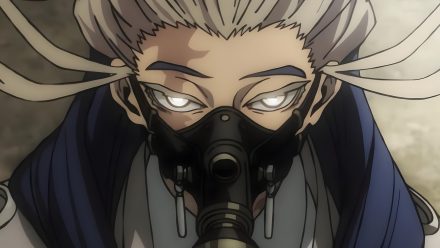
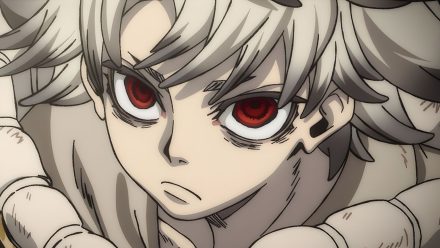
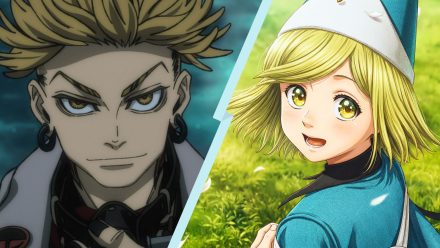
During a livestream, the chat exploded with demands to validate “Janka”—a fan-concocted pairing between characters Jabber Wonger and Zanka Nijiku. Most creators would’ve dodged it, offered some bland pleasantry about appreciating fan enthusiasm, and moved on. Urana went another direction entirely.
She looked directly at the camera and said, with the kind of clarity that leaves no room for reinterpretation:
“I don’t support this ship.”
What’s genuinely revealing here isn’t the rejection itself. It’s what she said next. The problem isn’t that fans imagine things—that’s rather the point of engaging with fiction. The problem is the sour-grapes meltdown when reality fails to accommodate those imaginings.
“What frustrates me is not the unofficial ideas themselves, but the people who throw childish tantrums when those ideas are not accepted.”
Then came the kicker:
“Maybe people have forgotten, but I am part of the official side of Gachiakuta.”
Translation for the hard of hearing: I hold the pen. You do not.
A Story About Survival, Not Snogging
Here’s where the pattern becomes clear. Gachiakuta is, fundamentally, a survival shonen following Rudo—a boy hurled into a literal abyss of refuse who must fight grotesque beasts using discarded junk as weaponry. It’s brutal, kinetic, and layered with sharp social commentary about class and waste.
Nowhere in that elevator pitch does “teen romance” feature as a selling point. Nowhere in that elevator pitch does “teen romance” feature as a selling point.
Urana had to remind a vocal minority of this rather obvious fact, asking them to stop hammering the same agenda repeatedly. It generates stress and muddies the actual story she’s trying to tell.
The wider community, it must be said, largely applauded her spine. Watching the wreckage other fandoms have made of themselves—My Hero Academia springs readily to mind—there’s a genuine appreciation for an author who cuts through toxicity before it metastasises.
- Why do some fans feel such ownership over narratives they didn’t create?
- Is there a point at which “passionate engagement” crosses into something rather more parasitic?
- Might a few more creators benefit from following Urana’s example—drawing boundaries early rather than watching their comment sections become war zones over romances that never existed?





Leave a Comment