

The internet possesses a singular talent for warping the familiar into shapes you never knew you needed—or deeply feared. The latest example? Hatsune Miku reimagined as a middle-aged man.
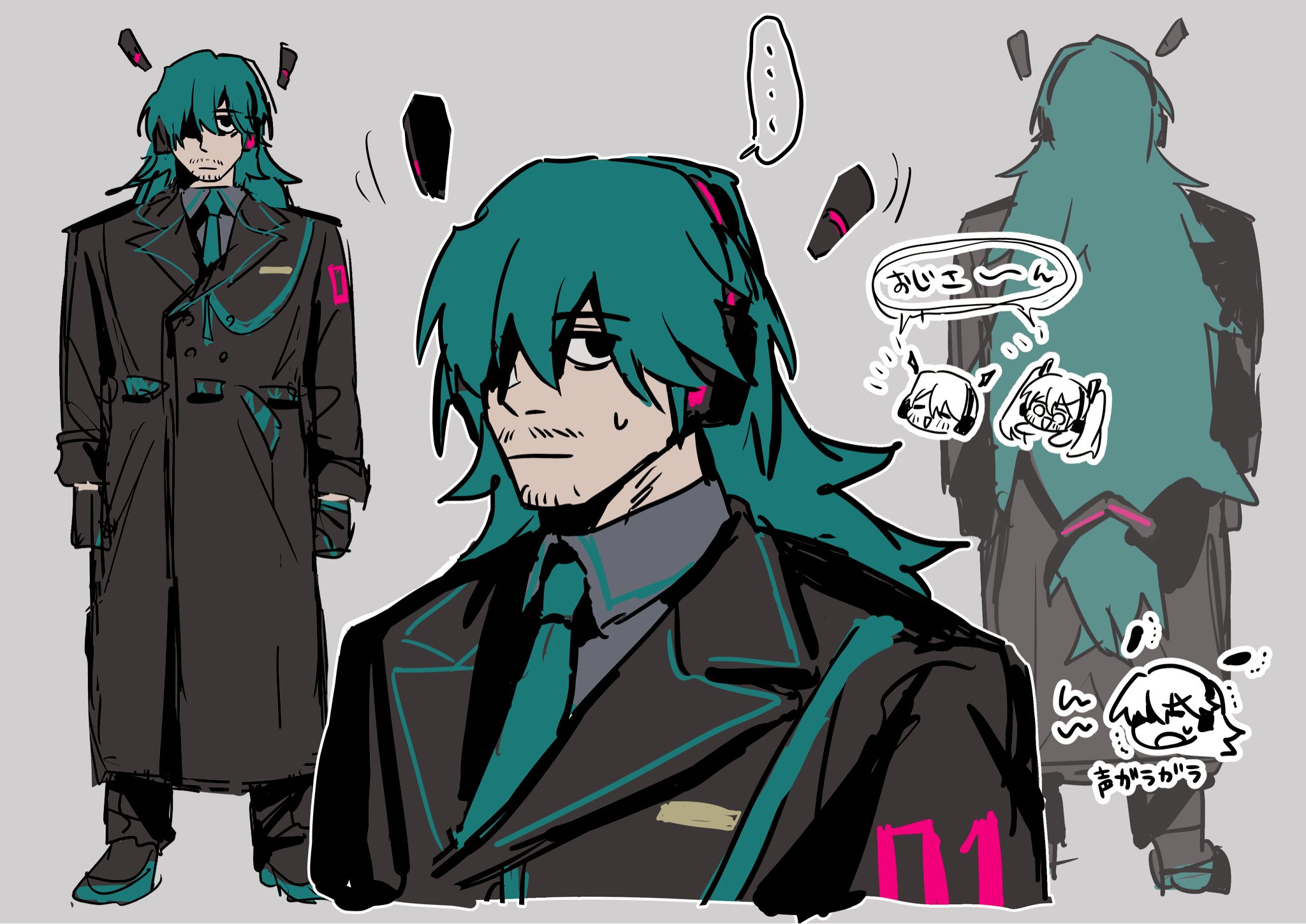
Affectionately dubbed “Miku Oji” (Mr. Miku), this mutation caught fire on , when a single fanart piece racked up 160,000 likes.
The Design Formula
The formula is jarring yet brilliant:
- Turquoise pigtails retained from the original
- Heavy stubble and bags under tired eyes
- An expression of profound life exhaustion
Some note a passing resemblance to Kaito, another Vocaloid. He looks less like a pop idol and more like a world-weary assassin wondering where it all went wrong.
Why It Works
Rather than scrolling past, audiences leaned in. Many rated the design as cool
or, astonishingly, erotic.
The archetype of the handsome but defeated older man—dishevelled, vulnerable, vaguely exhausted by life—is an incredibly potent draw for female audiences.
A flawless idol is unapproachable. A depressed, dishevelled fellow with implausible hair? That’s a project. People are magnetically drawn to beautiful damage—it provides narrative the pristine original simply lacks.
The Backlash
Moral panic followed. Japanese blogs decried the “masculinisation” as peak internet fetishism. Critics claim the web has a systemic obsession with transforming female characters into middle-aged men.
But this mirrors the 2018 Bowsette phenomenon—where male artists reimagined Bowser as a voluptuous woman. The internet cannot resist flipping the gender script, treating canonical designs as suggestions rather than sacred texts.
A Divided Fandom
- Detractors: Call it
disgusting
andtoo abnormal
, disturbed by older men being consumed sexually yet again - Defenders: See harmless fun—a testament to creative freedom and artistic range
What Remains
As fresh iterations surface daily, Miku Oji proves how swiftly concepts mutate in modern fandom. Whether viewed as design triumph or symptom of terminally online desires, this exhausted gentleman has carved his own chapter in pop culture history.
If audiences project more empathy onto a depressed middle-aged man than a pristine virtual idol—what does that reveal about the characters we actually want to connect with?
When we strip away the aesthetic of perfection, are we simply uncovering the relatable fatigue that binds us all?






Leave a Comment