

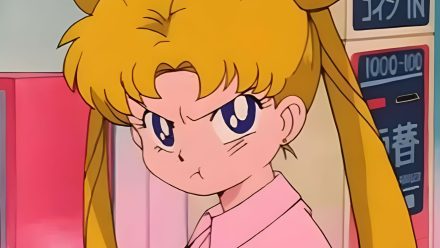
You’ve probably spent thirty years assuming you knew exactly what Sailor Moon was. It feels safe. It feels familiar. But Kunihiko Ikuhara—the man who directed the thing—has just walked into the room and told you that you’re wrong. And the most frustrating part? He’s technically right.
The Rejection
On his podcast, Ikuni to Unmei no Cinema Snack, Ikuhara tore up the label that has followed him since 1992. He rejects the title “Magical Girl” expert entirely. It sounds like madness, but hear him out. He’s making a distinction that is razor-sharp.
Sitcom vs. Battlefield
He argues that the classic Majokko genre—think Sally the Witch from 1966—is rooted in domestic sitcoms like Bewitched. It’s about a little girl hiding magic in a normal life. Ikuhara says his work isn’t that.
- He claims Sailor Moon and Utena aren’t about hiding magic.
- They are about Henshin—transforming for combat.
- He’s putting skirts on Kamen Rider and calling it a day.
He sees tokusatsu action, not domestic fantasy.
A Brilliant Move
It is a brilliant move. By refusing the “Magical Girl” tag, he stops his work from being put in a box that critics often dismiss. He’s saying, “This isn’t a cute sub-genre; this is heroic action.” It forces you to look at the agency of his characters differently. They aren’t using magic to tidy up the house; they are stepping onto a battlefield.

The Legacy Left Behind
So, we are left with a bit of a mess on the floor. If the director says we’ve been filing his masterpieces in the wrong drawer for three decades, we have to wonder how that changes the value of what we’re watching.
How are we supposed to redefine the legacy of these series if the creator’s definition contradicts the audience’s experience?




Leave a Comment