
We’re all looking at the calendar, and we’ve all got that nagging feeling about time we’ve wasted. That’s exactly why Haibara’s Teenage New Game+ is the most dangerous title dropping in April 2026. It’s not just a romance; it’s a masterclass in the psychology of regret, and frankly, it’s uncomfortable how well it targets the British audience’s appreciation for emotional realism.
The Setup
The production team at Studio Comet isn’t guessing here; they’ve done their reconnaissance. Misuzu Hoshino is directing, with script supervision by Keiichirō Ōchi. If you know Ōchi’s work on The Quintessential Quintuplets, you know he understands that human connection is messy. The premise is brutal: Natsuki Haibara, voiced by Yūto Uemura, is a university student staring down the barrel of employment with the crushing weight of a “gray” adolescence—no clubs, no romance, no colour.
He gets sent back seven years. It sounds like a dream, but look at the data. He’s armed with adult hindsight in a child’s body. That’s a massive cognitive dissonance to manage.
The Voices in the Room
We now have confirmation on the players in this high-stakes emotional game. The cast list reads like a roster of conflicting agendas:
- Kanna Nakamura is Miori Motomiya, the childhood friend who bridges both timelines. She’s the anchor to reality.
- Aya Yamane plays Uta Sakura, bringing surface energy. In negotiation terms, she’s the wildcard—high energy, unpredictable.
- Sayumi Suzushiro is Yūno Nanase. She’s on the other side of the table, attached to Hikari. She sees the cracks in Natsuki’s performance.
The Trap
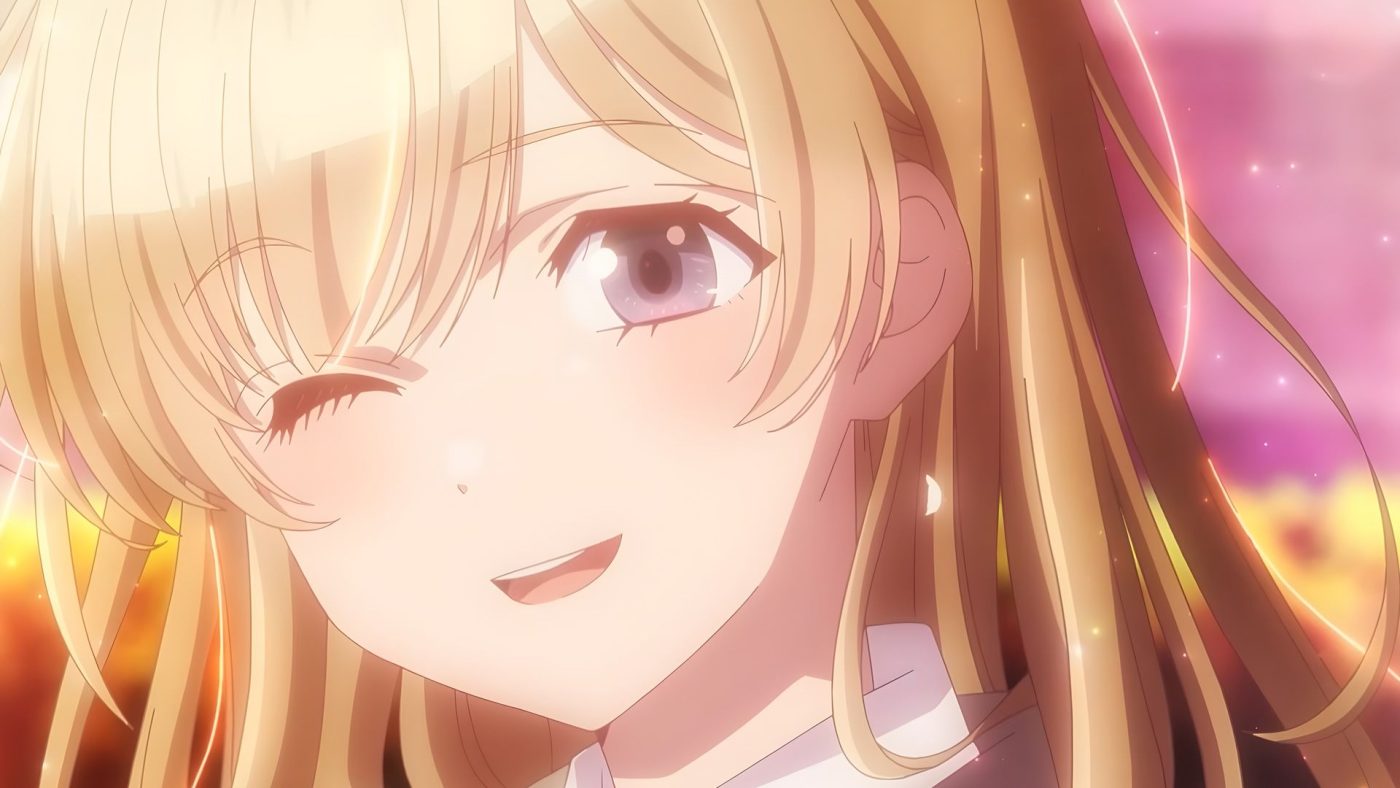
The trailer dropped, and if you watch it closely, you’ll spot the tell. The reunion with Hikari Hoshimiya (Kanon Takao) isn’t a triumph; it’s bittersweet. Natsuki is performing confidence. He’s using a script. The core tension isn’t whether he gets the girl; it’s what happens when his counterpart realizes they are negotiating with a persona, not a person. He’s building intimacy on partial disclosure. In my world, that’s a deal that’s destined to collapse.
The “Rainbow Youth Plan” sounds aspirational, but the footage suggests it fractures under pressure.
They are confident enough to show the first four episodes on March 15 at United Cinemas Toyosu, but I suspect the real drama lies in the lag between his twenty-two-year-old reference points and his fifteen-year-old reality.
The Verdict
The music by Sonosuke Takao and Hiromi Ono’s designs are just the packaging. The product inside is a question about the cost of a do-over. Natsuki already failed once. The trailer asks whether second chances redeem us or merely delay the inevitable crash. When the lie collapses—and it always does—who is left to pay the price?
How will you feel when the person you’re trying to impress realizes they fell in love with a strategy, not a soul?



Leave a Comment