

A fan posts an edited anime character — in this case, Rangiku Matsumoto from Bleach — smoothing her figure and covering her cleavage. They label it a “correction.” Within three days, it accumulates over a million views. What follows isn’t just a debate; it’s a crash course in modern fandom’s fault lines.
The Core Issue Is Framing
Calling a modification a “correction” isn’t a neutral act. It suggests the original artist’s intent was an error — a misstep to be fixed. That’s a bold claim to make about a character whose design is intrinsically tied to her personality and role within the story’s visual language.
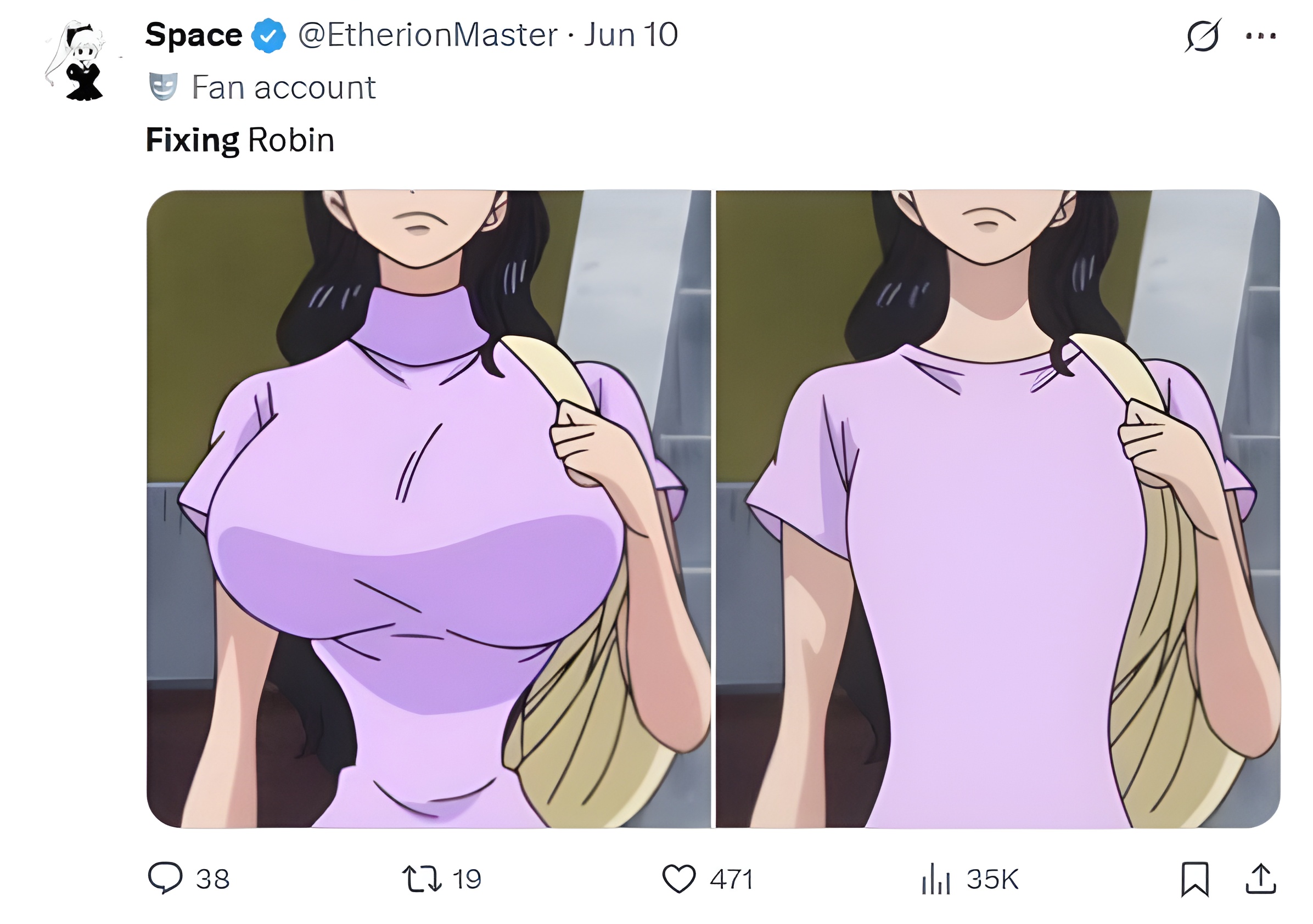
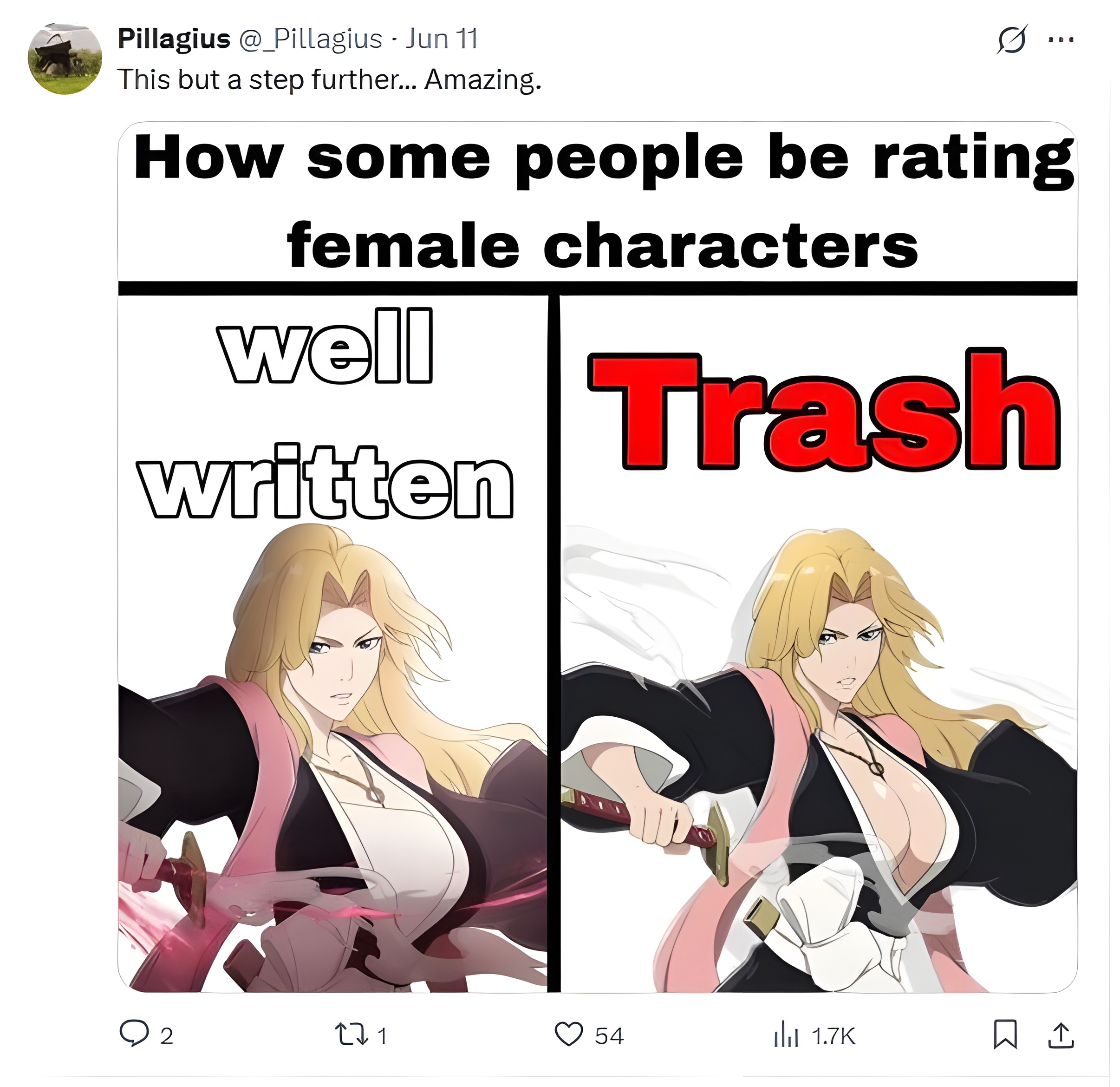
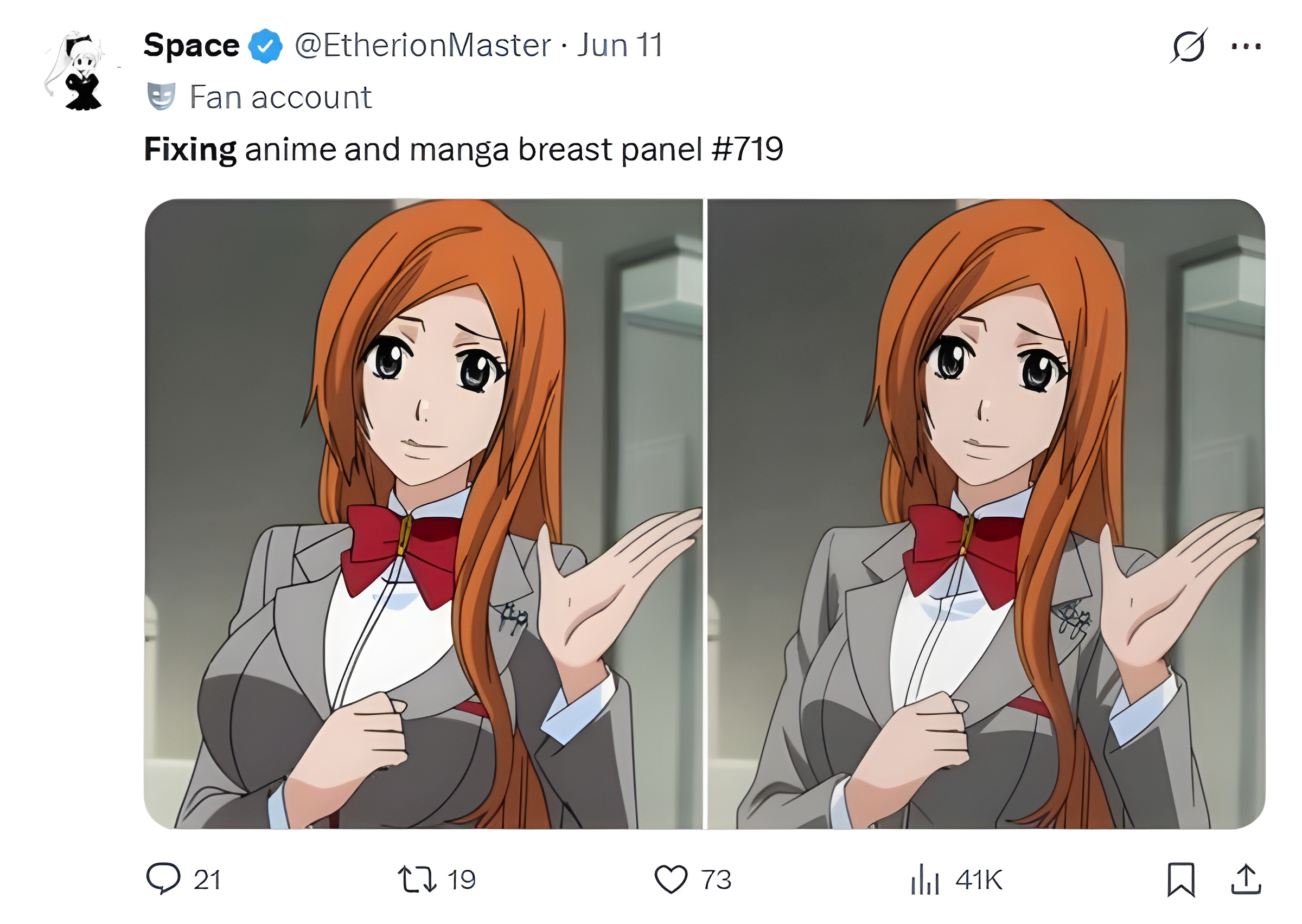
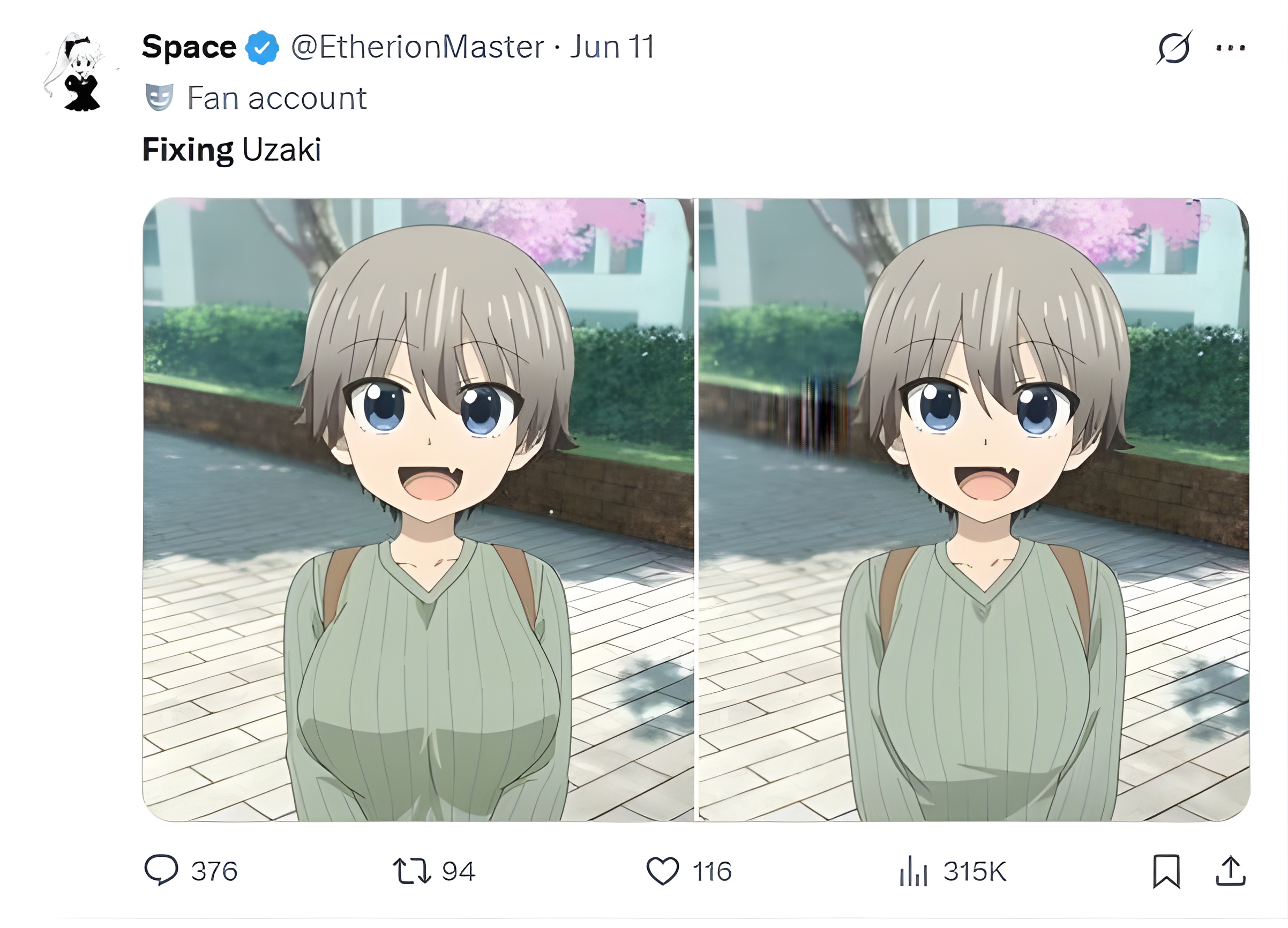
The Body Politics Angle
Here the irony cuts deep. In an attempt to appear progressive, the edit inadvertently engages in a form of body shaming. By reducing and concealing, it frames a particular physique as something requiring censorship. The logical conclusion is that certain bodies are inherently problematic.
Many responses nailed this hypocrisy, pointing out the edit likely says more about the editor’s personal discomfort than any objective flaw in Tite Kubo’s original work.
Reducing size or covering certain physical characteristics can also be read as a form of body shaming — suggesting that certain body types should not be visible.
Nuance Behind the Outrage
Yet dismissing this as mere outrage misses the nuance. Fan culture is built on re-interpretation — it’s the engine of doujinshi and cosplay. The tension arises not from the act of editing itself, but from the public declaration of superiority over the source material. It’s the difference between saying:
- “Here’s my take on Rangiku” — creative exploration
- “Here’s how Rangiku should have looked” — claimed objective correction
The Historical Context Matters
Anime’s visual vocabulary — especially for female characters — has its own historical trajectory, distinct from Western animation or live-action film. Female characters with pronounced physical characteristics have been part of that vocabulary for decades, appearing across all genres and audiences.
Characters like Rangiku weren’t designed in a vacuum. They are products of specific artistic traditions and audience expectations cultivated over decades in Japan, traditions that do not necessarily share the same parameters as other entertainment industries. The discussion about whether that tradition is “problematic” is longstanding, but this viral moment acted as a charged amplifier with a million views behind it.
Where the Line Gets Complicated
Fan culture has always coexisted with reinterpretations and editions of character designs. But the line between creative exploration and presenting changes as “objective” corrections is where the discussion often fractures within the community.
The real battleground isn’t the edit’s pixels — it’s the preamble. It’s the claim of objective improvement versus subjective expression.
The Open Question
Does labelling a personal tweak as a “correction” cross a line that simply sharing an alternative design would not? And when does celebrating a fan’s reinterpretation inadvertently demand the erasure of the artist’s original, equally valid, vision?



Leave a Comment