
You’re halfway through a brilliant series, properly invested, and then the news drops. Turns out the creator’s a criminal, the studio’s been cutting corners, or someone behind the scenes decided to torpedo the whole thing with one spectacularly bad decision.
The anime community doesn’t forget easily. Once the stink of controversy attaches to a production, it lingers. Some shows never recover. Others limp along with a permanent asterisk next to their name.
Recovery of an MMO Junkie
A lovely romance about a woman finding connection through gaming. Then audiences discovered the director had been broadcasting anti-Semitic views across social media. The studio issued clarifications, but the aftertaste remained. Suddenly Moriko’s journey feels less heartwarming when you know who was steering.
The Seven Deadly Sins
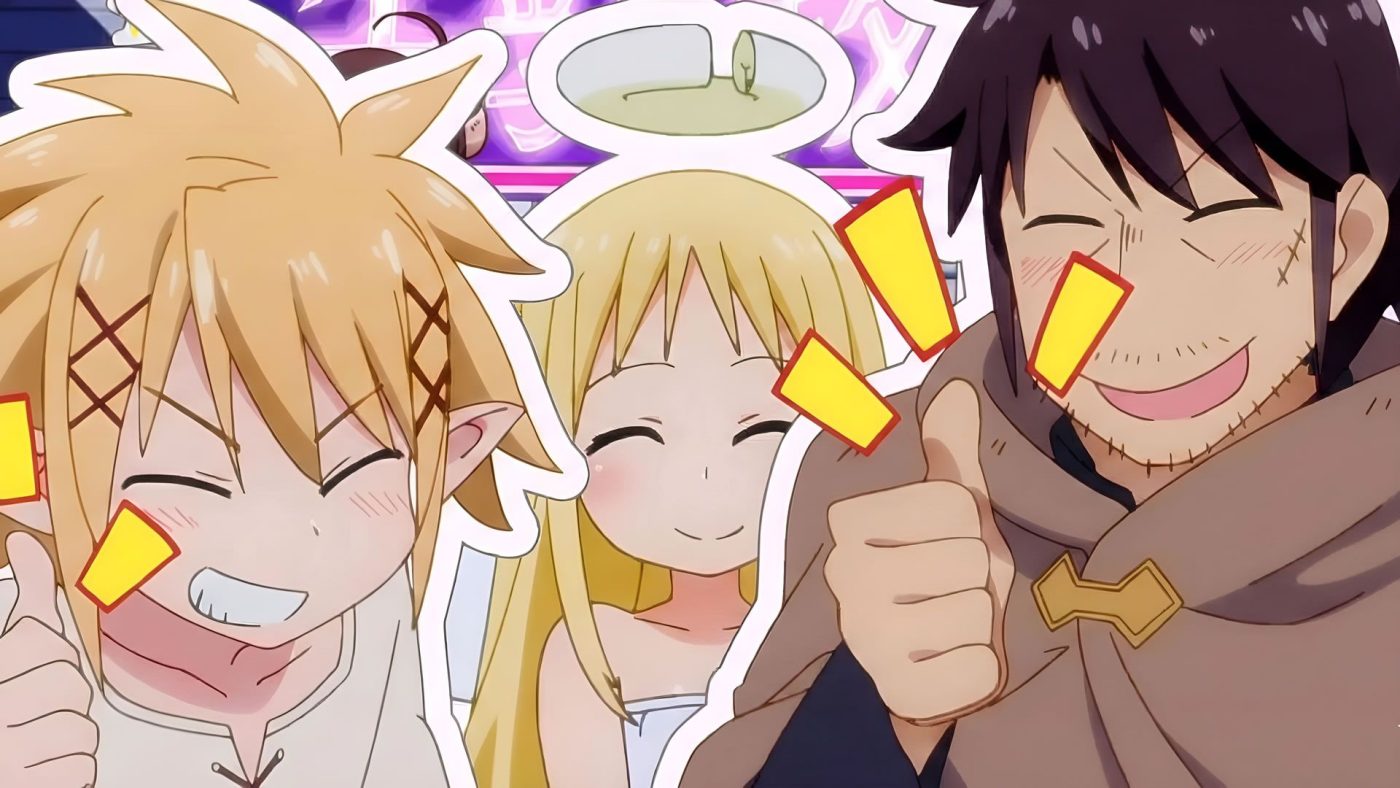
No crimes here — just aesthetic violence against the fans. The switch from A-1 Pictures to Studio Deen delivered one of animation’s most jarring quality collapses.
- Censored blood
- Static frames
- Meliodas looking like he’d been drawn during a car journey
Viewers went from emotional investment to meme creation. Trust shattered.

Golden Kamuy
Gripping narrative, but the adaptation stumbled. Ainu advocacy groups flagged ritual inaccuracies and stereotypical portrayals that reinforced historical wounds. Throw in imperial symbolism that raised eyebrows and a bear rendered in CGI so questionable it became its own talking point.
Interspecies Reviewers
The show that tested streaming limits and lost. Funimation pulled it mid-season. Japanese broadcasters shoved it into graveyard slots. Its legacy is the argument it sparked, not anything it achieved.
Tokyo Babylon
CLAMP’s anticipated remake died before birth. The production team lifted costume designs directly from a K-pop group and independent doll makers. Plagiarism so blatant that the committee scrapped everything.
Pokémon
The Porygon episode. A single broadcast sent hundreds of Japanese children to hospital with seizures triggered by rapid flashing sequences. National crisis. Safety protocols rewritten industry-wide.
School Days
The finale’s graphic violence coincided with a real-life murder case in Japan. Broadcasters panicked. Instead of the ending, viewers got footage of peaceful boats accompanied by classical music. Reality eclipsed fiction in the grimmest fashion.

Hetalia: Axis Powers
National stereotype comedy walks a razor’s edge. South Korea found their portrayal beyond the pale. Broadcasts cancelled. Character removed. Geopolitical fallout from a cartoon.
Kokoro Connect
Industry bullying at its most visible. Producers convinced a novice voice actor he’d secured a role, then revealed at a live event it was an elaborate prank. The backlash was immediate and devastating. Sales collapsed. The franchise essentially died on the spot.

Rurouni Kenshin
The one that hits hardest. Nobuhiro Watsuki, creator of this iconic series, was arrested for possession of illicit material involving minors. He admitted attraction to young girls. Received a fine. Returned to work.
Try reconciling Kenshin’s redemption arc with knowledge of its author. The series continues. The stain is permanent.
Each of these shows carries a shadow now. Some viewers separate art from artist. Others can’t. There’s no correct response — just the reality that once you know something, you can’t un-know it.

Leave a Comment