

A fan of Uma Musume: Pretty Derby—Cygames’ love letter to real-world equine champions rendered as anthropomorphic characters—did far more than collect merchandise or whale on the gacha. He bought an actual racehorse. This isn’t a whimsical story about closing the loop between fantasy and reality. It’s a case study in a very specific kind of ludonarrative dissonance, where the dream of the game collides with the physics of the paddock.
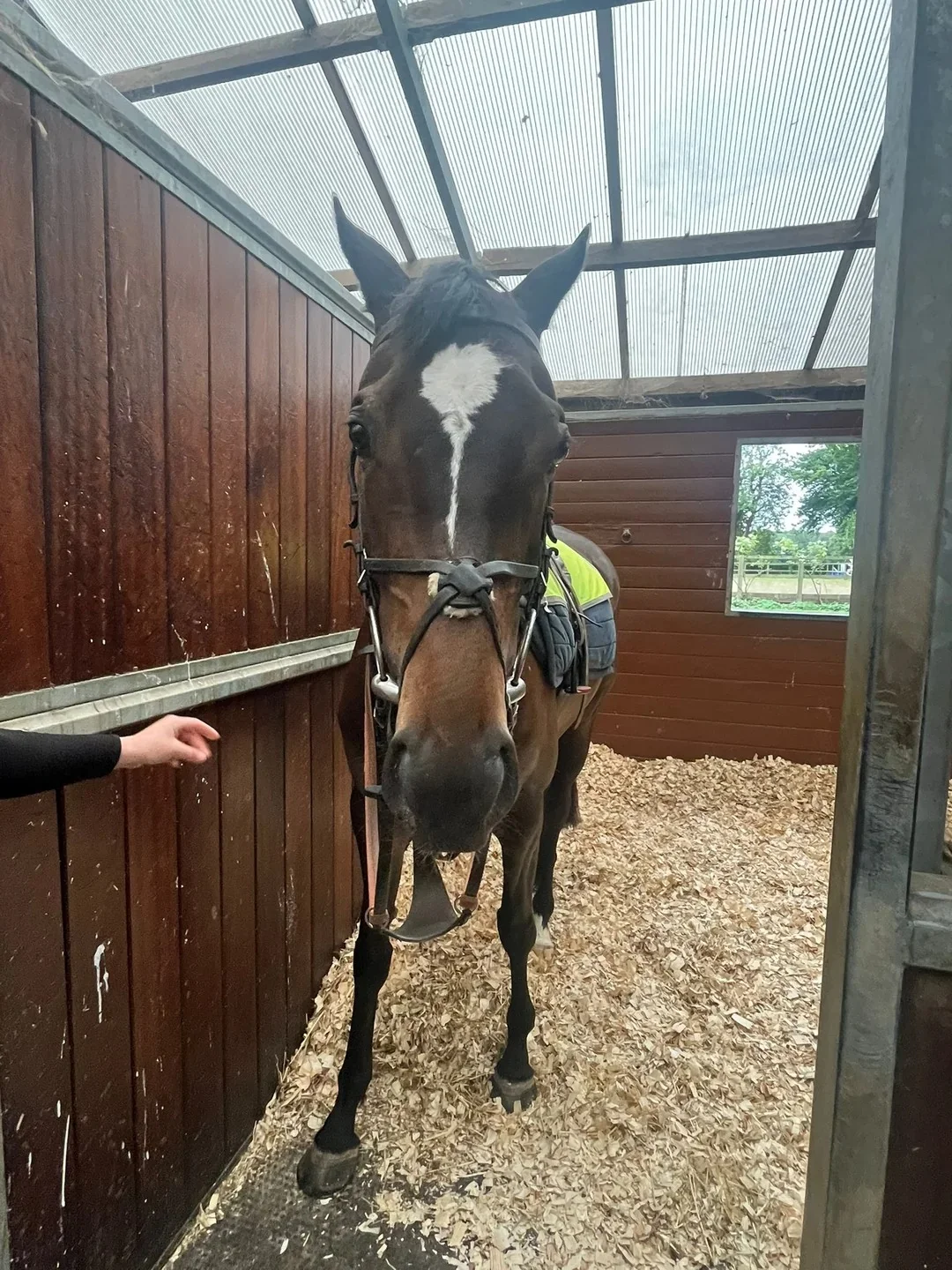
Bringing fanaticism for a mobile video game into the real world usually comes down to figures, bed sheets, or thousands of dollars spent on the gacha system. But this player decided to completely break every established limit, taking his obsession with horse girls into tangible life by acquiring a real thoroughbred to immerse himself in the competitive and expensive business of horse racing. Strongly inspired by the Cygames title—which pays tribute to real-life historical horses—he leveraged his contacts until he became the legitimate owner of a filly named Jax Belle. After months of theoretical preparation and hard training, the animal was registered to make her official debut at Uttoxeter racecourse in the United Kingdom on .
The game is, at its core, a nakige dressed in sports management clothing—designed to pull you in through character design and keep you engaged with the emotional resonance of caring for your stable. This player translated that digital care into a real-world transaction. The commitment is genuine.
Reality Introduced Its Own Ruleset
Unfortunately, reality turned out to be much harsher and more capricious than the game’s algorithms. While waiting patiently in the paddock before the competition, Jax Belle received an unexpected kick from another horse, suffering an injury to one of her legs. Not in a digital race simulation with RNG, but in the tangible, unpredictable space where animals and anxiety meet.
Despite the obvious pain and physical setback, the mare started the race with real grit, positioning herself between fourth and sixth place during the first meters. The adrenaline, however, was not enough to hide the physical damage. Her gait quickly told the story her rider’s hands could feel. The trot became erratic and strange, so the rider decided to progressively slow down to prevent a catastrophic fracture or permanent injury. Although Jax Belle crossed the finish line to comply with protocol, she ended in last position on the board—a result the game’s algorithms might have rendered as a bad luck roll, but here it was a profound lesson in vulnerability.
Recovery and the Real Ledger
After the eventful race, the veterinary team and the owner decided on several weeks of mandatory rest to guarantee full recovery. To his credit, the owner isn’t weeping over sunk-cost fallacy. He’s regrouping.
- Professional trainers — guiding the horse’s athletic development
- Specialized food — tailored nutrition for a competing thoroughbred
- A stable — housing and daily care infrastructure
- Constant veterinary check-ups — ongoing health monitoring
These annual living expenses amount to almost $7,000 a year—a considerable figure that proves horse ownership is not a hobby for everyone. His optimism isn’t delusional; it’s the necessary mindset of anyone managing a live investment, whether it’s a horse, a vintage car, or a Formula One team.
The Fan-to-Animal Pipeline
Although the video game has caused thousands of young people worldwide to begin tuning into real horse racing broadcasts, very few make the definitive leap of purchasing an actual horse. What’s fascinating isn’t the purchase itself—wealthy fans have always monetised their passions—but the motivational structure behind it. The game’s visual language romanticises the partnership, the triumphs, and the tears in defeat. The paddock at Uttoxeter is not crafted. It is a system of smells, stresses, and sudden, random violence.
The comparison to gacha spending is a red herring. One is a consumer’s gamble for pixels and prestige. The other is the life of an athlete with its own biology and will.
Questions Worth Sitting With
Despite the bitter pill of finishing last due to the stable accident, the owner remains completely optimistic about Jax Belle’s future in professional circuits once she fully heals. Spending on the digital game to get your favourite waifu already seemed like overkill to many, but keeping a real horse is another level of commitment entirely.
First, is this a new form of patronage? The Medicis funded art; here, a fan funds an animal’s career, directly inspired by a digital homage to that animal’s lineage. Is that a legitimate evolution of fandom, or the ultimate in personalisation?
Second, when we try to simulate control over a system as chaotic as live competition, what are we truly seeking? The game offers mastery within its rules. Reality, as Jax Belle discovered, offers a much starker contract. Does the passion survive contact with that contract, or does it fundamentally change?
Do these types of investments demonstrate a genuine anime-driven love for animals—or do fans sometimes lose track of reality when trying to replicate simulators in real life?







Leave a Comment