

A change of scenery
The Peek-a-Boo diving club is packing its bags for its first international trip.
It’s official. The third season of Grand Blue will hit Japanese television screens this July. The production committee has confirmed the story is relocating to the Republic of Palau. For a franchise that has spent years in Izu, this marks the first time the animated adaptation ventures beyond Japanese waters.
That’s not just a scenic change—it’s a structural shift in how the comedy can operate.
New voices joining the ensemble
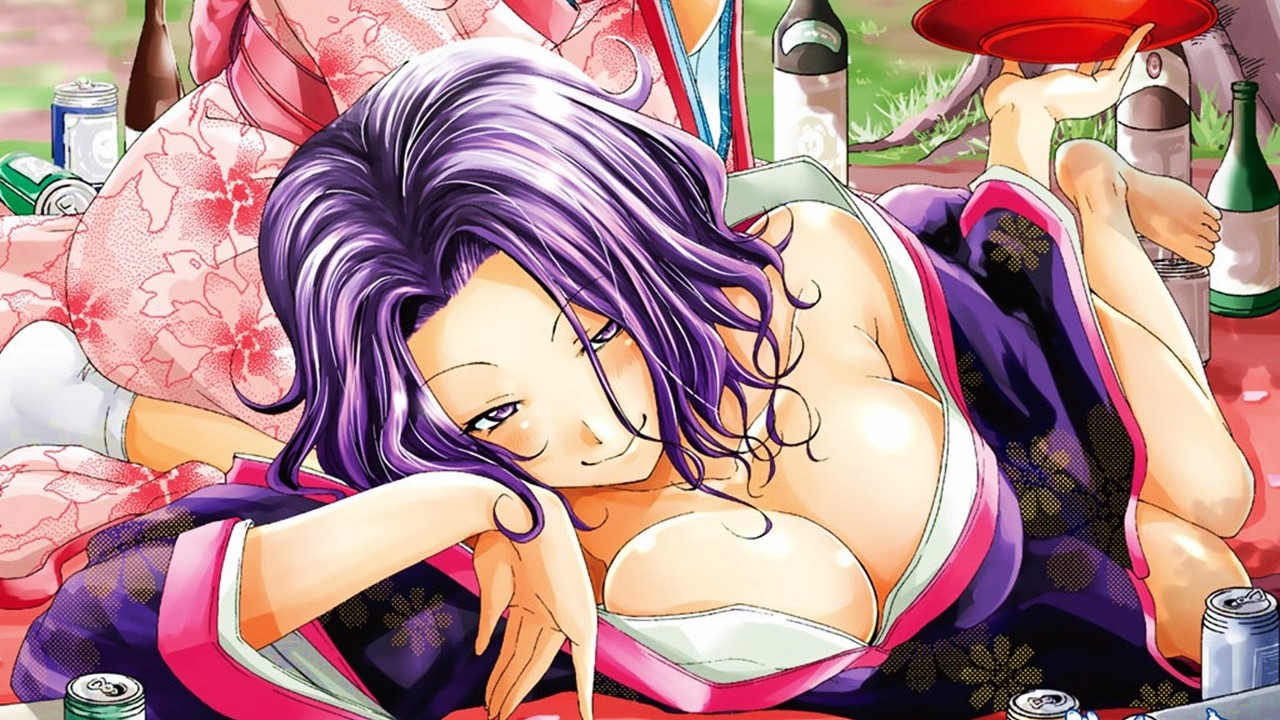
A new promotional image accompanied the announcement. Three voice actresses are joining for the Palau arc:
- Sayaka Ohara as Sayaka Kotegawa
- Asami Seto as Chief
- Aya Suzaki as Maki
If you’ve watched Fairy Tail, Jujutsu Kaisen, or Kill la Kill, you know the calibre. In a comedy built around ill-timed decisions and spectacular miscommunication, timing matters more than people realise.
By the numbers
The franchise began its televised run in Summer 2018 with a 12-episode first season produced by Zero-G. The second instalment followed in Summer 2025, with Crunchyroll handling international distribution.
Kenji Inoue’s original manga, illustrated by Kimitake Yoshioka, has been serialising in Kodansha’s good! Afternoon since April 2014. It recently surpassed 10 million copies in circulation, with the 26th compiled volume scheduled for release this April.
What is Grand Blue?
Grand Blue follows Iori Kitahara, a university student who relocates to the coastal city of Izu with romantic notions of a serene academic life. He moves into his uncle’s dive shop, “Grand Blue,” and promptly discovers that the local diving club has priorities that have very littlenothing to do with diving.
Alcohol consumption ranks highly. Clothes do not.
What ensues is a masterclass in descending chaos—peer pressure rendered as an art form, and social embarrassment weaponised for effect.
What does Palau bring?
Moving the setting to Palau presents an intriguing variable. The comedy has always relied on familiarity—the same dive shop, the same group dynamics, the same uncomfortable routines.
Throw international travel into that mix, and you’re introducing a different kind of pressure.
Culture clash, unfamiliar waters, and the inevitable logistics of group travel abroad all offer fresh angles for the same glorious dysfunction.
How far are the writers willing to push the ensemble outside their comfort zone—or were comfort zones ever really the point?
Will the change of scenery sharpen the comedy, or does the series risk losing some of the chemistry that comes with a well-worn local setting?
And after this long with the franchise, are viewers looking for evolution—or simply more of the same madness delivered with greater panache?





Leave a Comment