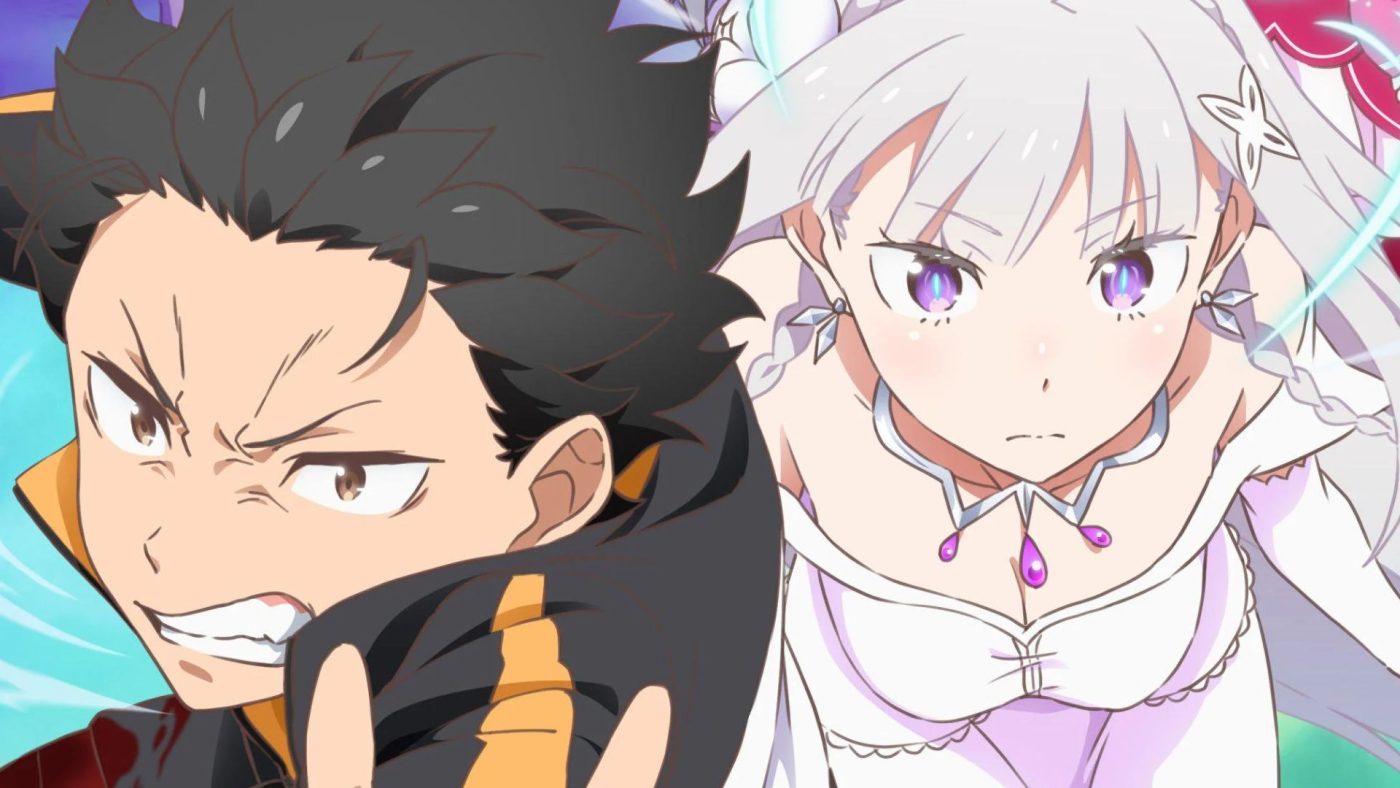

Subaru's Latest Ordeal Isn't the Witch's Cult—It's the Edit Suite
Poor Subaru Natsuki. Just when the lad thought the Pleiades Tower would be his only psychological crucible this April, the production schedule has gone and ambushed him first.
Leaked licensing intel confirms what many feared: Re:Zero‘s fourth series will clock in at a lean 19 episodes to cover the notorious Arc 6, split into two unequal portions—eleven chapters now, eight later.
For a narrative arc spanning five light novels and roughly ninety web chapters, that’s less breathing room than a coffin.
The Fandom Reacts
It sounds like you’re thinking this feels rushed. You’re not alone.
The fandom’s immediate reaction resembles that peculiar British panic when someone jumps the queue: a lot of tense throat-clearing and muttered calculations about what must be sacrificed.
White Fox, the studio handling this decade-anniversary adaptation, faces the unenviable task of distilling The Corridor of Memories
into roughly seven hours of telly without turning Subaru’s meticulous psychological unravelling into a highlight reel of misery.
What They’re Likely Plotting
White Fox has history—literally. They’ve previously nixed opening and closing credits entirely, extending actual content to 28-minute runtimes without advert interruptions.
- It’s tactical loss aversion
- Viewers care more about Beatrice’s facial tics than a J-pop sequence
- For Arc 6’s claustrophobic tower setting, this compression might paradoxically help
The suffocating narrative density could mirror the characters’ own lack of escape routes. If the pacing feels breathless, perhaps that’s the point. The pacing feeling breathless may be precisely the point.
The Risk Remains
2026 marks ten years since Subaru first accidentally stumbled into Emilia’s timeline, and Kadokawa clearly wants spectacle.
But spectacle without emotional fidelity is just noise. The studio isn’t just adapting plot points; they’re translating trauma.
Cut the wrong lingering glance between Rem and Subaru, or abbreviate the tower’s reality-bending reveals, and you don’t just lose story—you lose the why that keeps viewers masochistically returning.
- How does compressing ninety chapters into nineteen instalments change the way you experience the weight of Subaru’s suffering rather than just the frequency of it?
- What would White Fox need to deliver in episode eleven’s closing moments to make the mid-series pause feel like deliberate strategy rather than budgetary triage?
- If the studio removes every conventional safety net—no OPs, no EDs, no filler—how might that stripped-down approach actually intensify the psychological pressure you feel while watching?









Leave a Comment