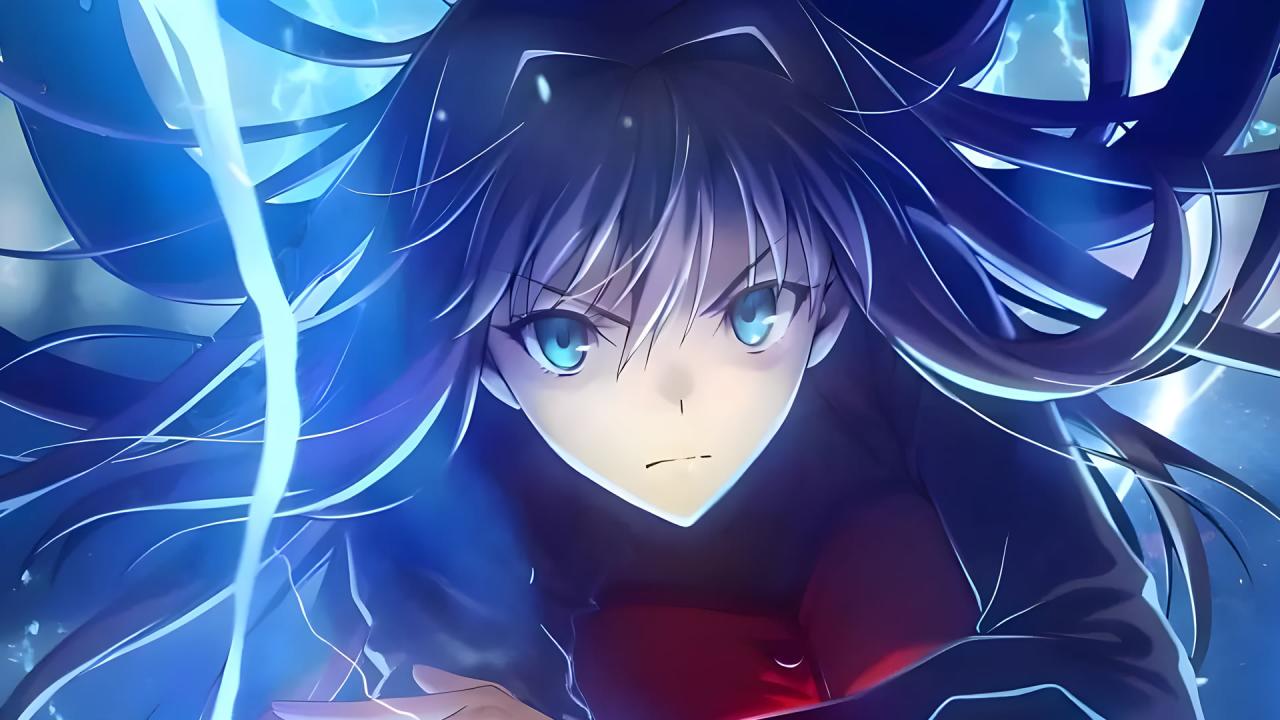

The production committee behind Witch on the Holy Night — known in Japan as Mahoutsukai no Yoru — clearly decided a slow build of anticipation wasn’t their style. During a franchise event this Tuesday, they placed the date on the table: November 20th. The animated film lands in Japanese cinemas then. For Type-Moon faithful who’ve been navigating an information drought on this project, it’s less a gentle rain and more a sudden, decisive downpour. This announcement marks a very important milestone for fans who had been waiting forever for specific updates about the jump of this work to the big screen.
To grasp the weight of this, rewind to the mid-nineties. This narrative was the raw clay from which Kinoko Nasu and Takashi Takeuchi first shaped the Nasuverse’s mythological bedrock. It was one of their first creative collaborations — laying the foundational mythology of what fans now popularly know as the Nasuverse. A bestseller that simmered for years.
The Story
The plot is a stark, elegant nakige — a tear-jerker set in the late eighties. It follows Aoko Aozaki, abruptly named heir to her family’s magical lineage, who must relocate to a desolate hilltop mansion. There, her tutor is the enigmatic and unforgiving witch, Alice Kuonji. A world steeped in magic and familial jealousy.
The film will capture Aoko’s delicate triage — balancing school life, the arrival of the peculiar transfer student Soujyuro Sizuki, and the lethal assaults orchestrated by her resentful older sister, Touko Aozaki.
From Text to Visual Novel to Film
Although the original text was saved for years, its evolution into a visual novel in 2012 changed everything. Recent global re-releases demonstrated its current profitability across:
- PlayStation 4
- Nintendo Switch
- Steam
The result: well over 150,000 copies sold worldwide, far exceeding expectations.
Voice Cast
- Haruka Tomatsu — Asuna Yuuki in Sword Art Online — as Aoko Aozaki
- Kana Hanazawa — Mitsuri Kanroji in Demon Slayer: Kimetsu no Yaiba — as Alice Kuonji
- Yusuke Kobayashi — Subaru Natsuki in Re:Zero — as Soujyuro Sizuki
The Bigger Picture
This film isn’t just an adaptation — it’s connective tissue. It’s the backstory that gives future gems like Tsukihime and The Garden of Sinners their narrative resonance. Understanding Mahoutsukai no Yoru means understanding the background of key characters who later shine across the entire franchise.
The Real Question
Type-Moon’s film projects carry a reputation for visual spectacle — think the layered, high-contrast visual language of the Fate/stay night: Heaven’s Feel trilogy. That wasn’t just animation; it was a distinct, emotionally resonant artistic statement. So the real question shifts from “will it be good” to something more specific:
Can the film’s creative leads craft a visual language that feels as intrinsically tied to Mahoutsukai no Yoru’s themes of legacy and hidden worlds as the Heaven’s Feel trilogy’s style was to its dark, psychological core?
In adapting this foundational story, does the production prioritize its function as a standalone mythic piece — or does it strategically embed the visual and tonal DNA for the broader franchise it now anchors?
The deal on the table is a November release. The subtext is about artistic legacy.





Leave a Comment