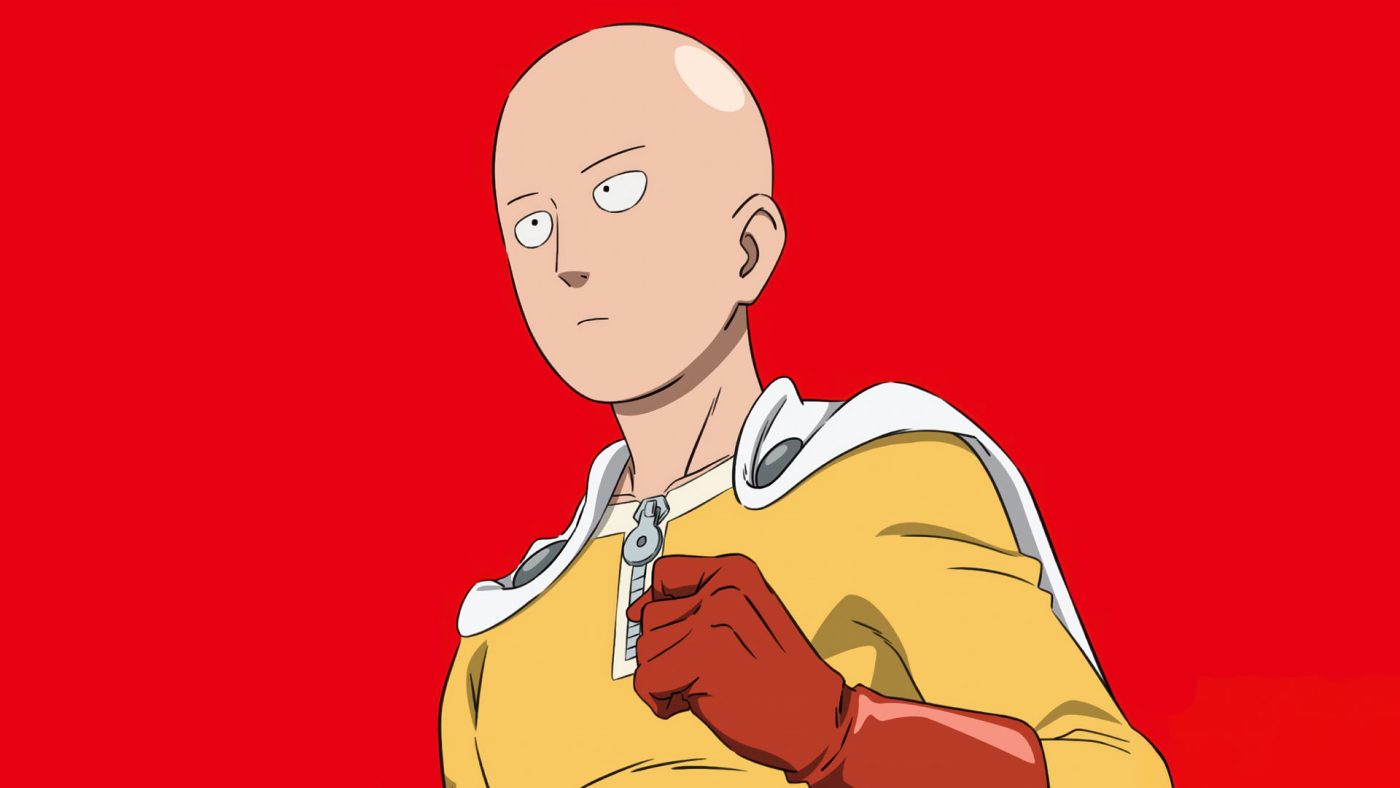

Saitama has been defeating enemies with a single blow for years. Apparently, he does the same with financial reports. Bandai Namco has just published its fiscal results for the year ending in March 2026, and among the titles the company expressly highlighted as growth drivers appears One Punch Man — for the first time ever in its presentations.
It is not a minor fact. When a franchise enters the report after a year of absence, that is exactly the signal executives use to tell investors: this is working.
What the Report Actually Says
Bandai Namco’s Visual and Musical segment — which covers anime, related products, and audiovisual entertainment — recorded a 3.4% profit increase compared to the previous fiscal year.
In the presentation, the company attributed part of that growth to:
Solid performance in global launches of titles in the Gundam franchise and works such as One Punch Man.
Putting One Punch Man in the same sentence as Gundam — one of the longest-running and most lucrative franchises in the industry — says a great deal about how Bandai Namco views the Saitama series internally. This is a strategic alignment, not a casual mention.
The report does not break down exact figures for OPM specifically. But the explicit mention after a year of absence points to the fact that One Punch Man’s international performance was notable enough to merit public recognition.
Beyond Streaming — The Real Revenue
The segment includes not only anime broadcasts but also physical releases and associated products. The impact goes far beyond streaming views.
When a report highlights physical sales and merchandise alongside streaming, it means:
- The licensing deals are solid
- The consumer products are moving
- That is the real, tangible revenue
Why the Timing Matters
One Punch Man Season 3 is already in production under JCStaff, with its second part scheduled for 2027.
The renewed interest in previous seasons is a logical factor behind the good numbers. People re-watch what is already there when they know more is coming — and that translates directly into results for the company.
This is a classic precursor surge. Audiences are not just waiting; they are re-engaging with the back catalogue. Anticipation fuels consumption of existing material, which pads the books before the new investment even drops. Smart management rides waves it likely helped to plan.
The Origin of a Durable Asset
One Punch Man was born as a webcomic by the author ONE in , before receiving a manga adaptation drawn by Yusuke Murata that elevated the work to another visual level entirely.
The premise is as simple as it is effective:
Saitama is a hero who trained so hard that he became absolutely invincible — capable of defeating any enemy with a single blow. The problem? This stripped away the thrill of a good fight. The series constantly plays with that sublime irony.
It is a blueprint for how a simple, potent idea can be scaled across formats and decades.
The Animated Journey
- — First season by Madhouse, a landmark in action animation
- — Second season by JCStaff
- In production — Season 3, currently underway
Each adaptation amassed a massive global fan base that is clearly still very active today.
What This Recognition Really Signals
The mention feels less like a congratulatory pat on the back and more like a thesis statement for future strategy.
When a corporation places a property in the same breath as a decades-old titan like Gundam in an investor document, they are not making idle chat. It is a signal flare. They are telling the market — and more importantly, their own internal departments — This is a serious asset. Allocate resources accordingly.
Questions Worth Pondering
- Permanent pillar? Does this formal recognition signal a shift from popular franchise to permanent portfolio pillar, akin to Gundam itself?
- New frontiers? With infrastructure and profit motive officially on the table, what non-anime avenues — larger-scale games, deeper global merchandise lines, even cinematic projects — might now be prioritised?
- Tail wagging the dog? Could the measured, consistent profitability of OPM’s existing catalogue be what ultimately unlocks bigger budgets and more ambitious plans for its future?
One Punch Man is no longer just popular — it is officially profitable enough for Bandai Namco to say so in writing. In the world of investor relations, that changes everything.




Leave a Comment