

Falling in love for the first time can shake the whole world—in the case of Kuroe Akaishi, it does so quite literally. There’s a precise and deliberate tension in how some stories balance the intimate with the explosive, and Kaiju Girl Caramelise appears to be doing exactly that: merging the delicate emotional landscape of shojo romance with the visceral spectacle of giant monster transformations.
The newly dropped second trailer doesn’t just confirm a premiere—it lays both the opening and ending themes on the table, offering a clearer tonal map for what promises to be a genre-blending spectacle.
A Musical Identity Laid Bare
The opening track, “Otome Kaijū” by METANICK, and the ending, “Otome no Honki” by HoneyWorks feat. HaKoniwalily, signal a deliberate pairing. HoneyWorks has long been synonymous with emotionally charged anthems for romance anime, much like how a well-chosen colour palette can define a visual tone in a Ghibli film. Their involvement here isn’t just a credit—it’s a statement about the series’ intent to anchor its fantastical elements in authentic, heartfelt drama.
The Emotional Engine Behind the Spectacle
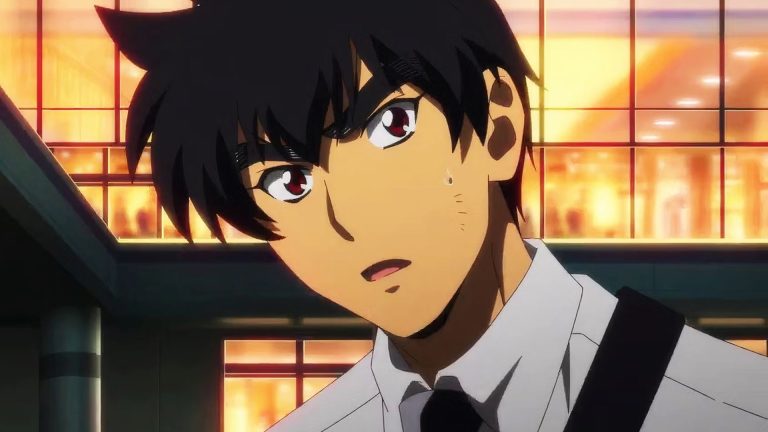
The trailer sharpens the dynamic between Kuroe Akaishi and her crush, Arata Minami—the most popular boy in her class. What’s immediately noticeable is how the animation frames their interactions: close-ups on hesitant expressions, lingering glances—before erupting into kaiju-scale chaos. It’s a visual language that echoes early works by studios like Gainax, where personal turmoil often manifested as physical spectacle. The tension isn’t merely romantic; it’s architectural, with each emotional beat potentially triggering a literal seismic shift.
“What promised to be a story of first love turns into a constant battle between heart and reason, with consequences that go far beyond the normal.”
A Cast That Carries Real Weight
Voice casting here is particularly shrewd. Every role carries a pedigree that deepens the audience’s trust before a single frame airs.
- Hikari Senga as Kuroe Akaishi — In her first leading role, she carries the weight of Kuroe’s isolation and burgeoning power. The tentative warmth in her delivery is already audible.
- Daishi Kajita as Arata Minami — Known as Asahi Naruhaya in Blue Lock and Hibiki Sakurama in Go! Go! Loser Ranger!
- Akira Sekine as Manatsu Tomosato — Previously Ariane Olgren in The Iceblade Sorcerer Shall Rule the World and Princess in Princess Principal
- Haruka Shiraishi as Raimu Kono — The voice of Asirpa in Golden Kamuy and Yuri Honjou in High-Rise Invasion
- Kotono Mitsuishi as Rinko Akaishi — The legendary Usagi Tsukino in Sailor Moon and Misato Katsuragi in Neon Genesis Evangelion. Her presence alone adds a meta-layer of emotional resonance; she’s now voicing a maternal figure in a story where love itself is monstrous.
- Katsuyuki Konishi as Kotaro Hibino — Tengen Uzui in Kimetsu no Yaiba and Oga Tatsumi in Beelzebub
- Eriko Matsui as Jumbo King — Mirajane Strauss in Fairy Tail and Retsuko in Aggretsuko
Casting veterans like Mitsuishi alongside a breakout lead in Senga isn’t accidental. It respects the audience’s memory while subverting expectations—a strategy that lets the show speak to both nostalgia and novelty simultaneously.
The Team Behind the Transformation
Behind the scenes, the production team at LIDEN FILMS seems focused on maintaining a cohesive visual identity.
- Director: Teruyuki Omine
- Scripts: Yuniko Ayana
- Character Design: Mitomi Nakayama
- Executive Production: GOOD SMILE FILM
- Sound Direction: Daiki Hachimaki
Nakayama’s designs, as glimpsed in the trailer, avoid overt caricature—instead favouring subtle facial nuances that ground the kaiju transformations in Kuroe’s real-time emotions. This approach recalls the character-driven aesthetics of series like March Comes in Like a Lion, where internal states are externalised through artistry rather than exposition.
From Page to Screen: A Manga With Momentum
The source manga, by Spica Aoki, has been published in Monthly Comic Alive of Kadokawa since , cultivating a steady following with more than 230,000 copies in circulation and a tenth volume scheduled for . Yen Press publishes the series in English, indicating confidence in its cross-cultural reach.
The premise is a tightrope walk: how do you sustain a shojo romance when the protagonist’s feelings could literally demolish a city? It’s a question of pacing and stakes—much like how a sculptor must balance detail with structural integrity. When Kuroe falls in love with Arata Minami, that first love awakens a dormant power within her: the ability to transform into a kaiju when her emotions overflow.
Why It Matters
In animation history, genre hybrids often risk dissonance—some films struggle to marry comedy with tragedy without jarring shifts. Here, the kaiju element isn’t just a gimmick; it’s a metaphorical amplifier for the overwhelming, sometimes destructive nature of first love. The series seems poised to explore whether emotional honesty can coexist with uncontrollable power—a theme that resonates beyond its fantastical framing.
Does the kaiju twist within the shojo romance feel like an original hook, or would you prefer the series leaned more purely into one of the two genres?






Leave a Comment