

If you’ve watched even a handful of romance or fantasy anime, you’ve spotted him. Dark hair, unremarkable face, approximately the emotional expressiveness of a desk lamp. He’s everywhere—occupying the frame, taking up space, yet vanishing from memory the moment the credits roll.
Turns out, that’s precisely the point.
Hiro Kanzaki—the character designer behind My Little Sister Can’t Be This Cute and Eromanga Sensei—recently decided to address the elephant in the studio. Why does every male lead look like he was stamped out of the same mould? The answer isn’t laziness. It’s strategy.
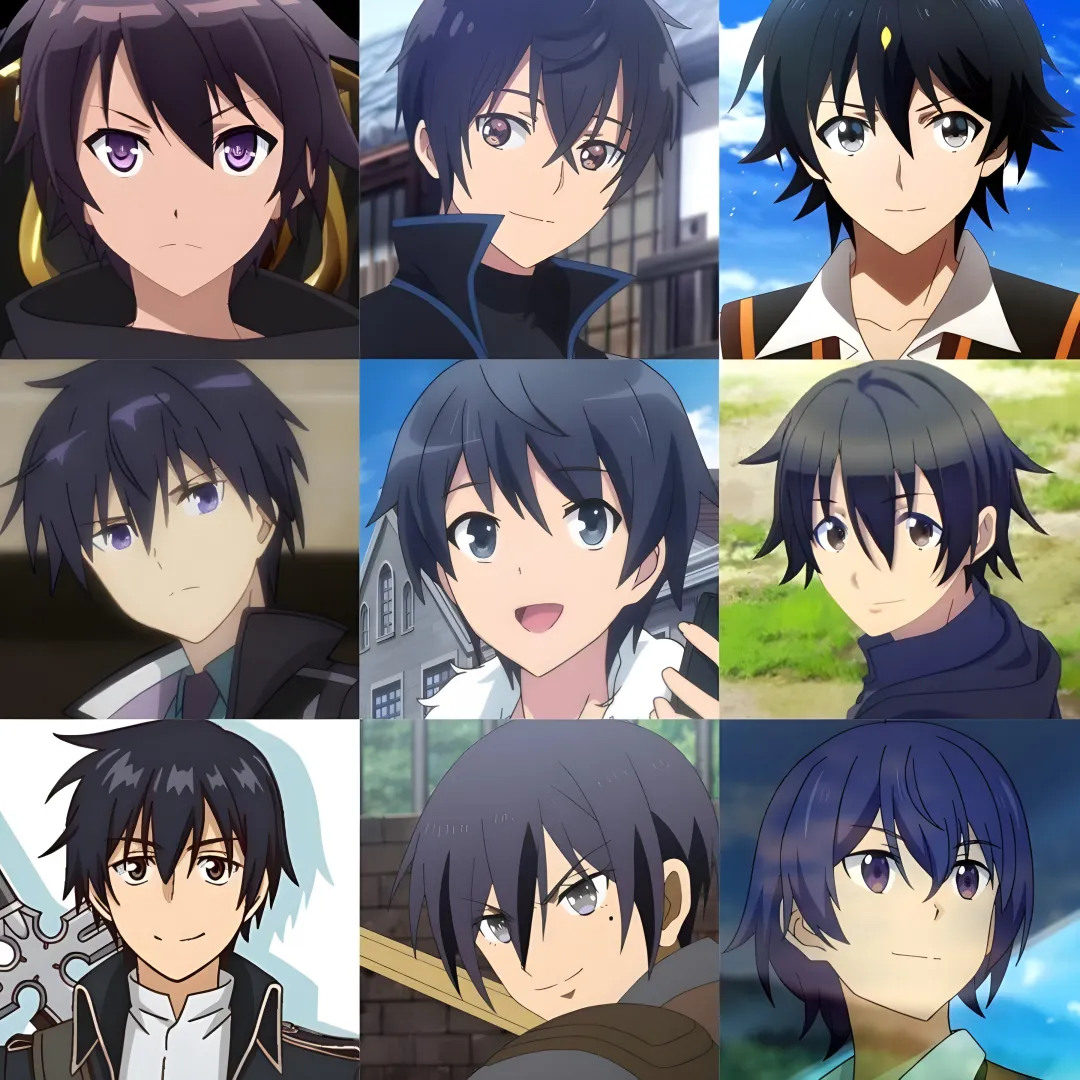
The Invisible Man Advantage
Kanzaki’s logic runs like this: the heroines are the product. They’re the reason people buy the Blu-rays, the figures, the overpriced body pillows. The male protagonist’s job isn’t to compete for attention—it’s to get out of the way.
A bland lead functions like theatrical lighting rig: you’re not supposed to notice it, but it makes everything else look brilliant.
- Self-insertion angle — The fewer distinguishing features a character has, the easier it becomes for the viewer to project themselves into the story
- Psychological stealth — Generic bloke becomes Everyman becomes you
But Kanzaki insists he doesn’t phone it in. Even within those constraints, he works to give each protagonist some distinctive undertone—preventing them from becoming complete cyphers. Think of it as trying to whisper personality into a room full of shouting.
The Akiman Factor
Kanzaki also credits a concept from veteran creator Akiman called the character perspective
—essentially a framework for managing visual proximity.
It dictates how close or distant the audience feels from each figure on screen, directing the eye toward who matters most. The protagonist sits at the back of the room; the heroines occupy the spotlight.
And yes, Kanzaki acknowledges the Western gripe that these designs feel dull. His response is straightforward: these shows weren’t made for Western audiences originally. In Japan, that dark-haired, average-looking boy reads as familiar and comfortable—not uninspired, but native.
The otaku community has largely accepted the reasoning. Behind every generic protagonist
sits a commercial calculation as deliberate as it is ruthless: the product sells when the girls dazzle and the guy disappears.
What Lingers
If character design is fundamentally about directing attention, what does it say about storytelling when the lead is engineered to be overlooked?
- Does the self-insert trick genuinely deepen engagement, or does it just let writers sidestep creating a genuinely compelling central figure?
- As anime’s global audience grows, how long before the
designed for Japan
defence starts to wear thin?





Leave a Comment