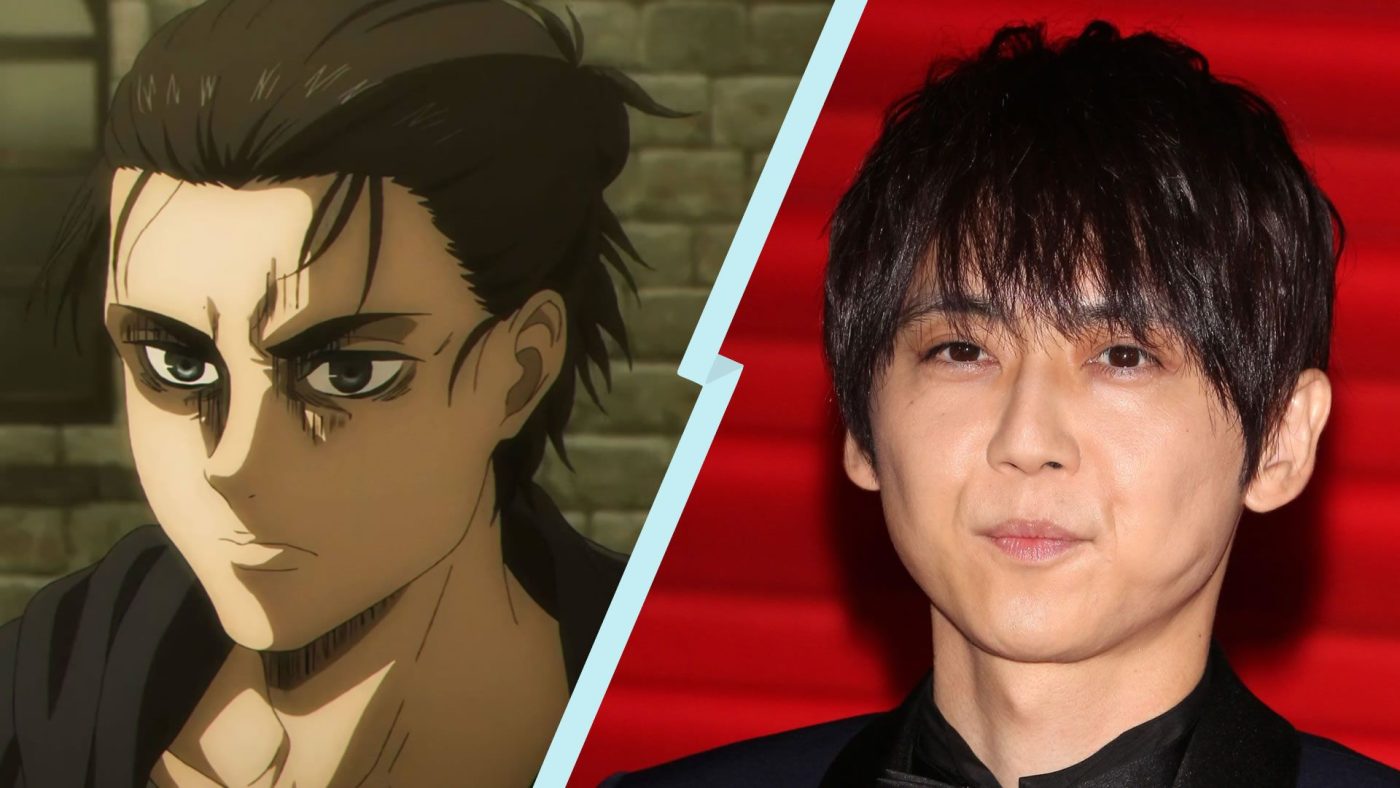

When the ground shakes, you don’t dig your heels in. You learn to surf.
While most of the entertainment industry has been busy drawing battle lines against Artificial Intelligence, Yuki Kaji—the voice behind Eren Yeager’s anguished screams in Attack on Titan and Meliodas in The Seven Deadly Sins—quietly packed his bags.
After thirteen years with VIMS and twenty-two within the same business group, he’s stepping out on his own. The date is set: .
His destination? A company built around something called Soyogi Fractal.
The Pitch He Couldn’t Refuse
Here’s where it gets interesting. Kaji didn’t leave because he’s running from technology. He left because he’s running toward it—with both eyes open.
In his statement on X, Kaji laid it bare: I want to further expand the possibilities of being a voice actor.
Soyogi Fractal isn’t some side hustle. He calls it his life’s work.
The project creates speech synthesis software powered by his own vocal timbre—the Bon Soyogi model. Think of it as building a house on your own land before someone else puts up a car park.
Kaji is establishing ethical boundaries for his voice. He’s creating a space where professional and amateur creators can work together without wading through corporate copyright sludge.
I want to protect the soul from the voice. I am deliberately moving into its centre and taking the helm myself.
That’s not fear talking. That’s agency.
What VIMS Lost
The breakup wasn’t messy. VIMS published a gracious send-off, thanking him and wishing him well. No bridges burned. No suspicious omissions. Just a clean handover after more than a decade.
But make no mistake—this is a significant departure. Kaji isn’t just a voice actor; he’s a brand. His characters defined a generation of anime fans. When he moves, the industry watches.
The Bigger Play
Kaji’s strategy reveals something the wider entertainment industry might want to scribble down: prohibition rarely works as well as participation.
By creating his own official AI model, he’s not just protecting his voice from malicious exploitation—he’s establishing the authorised version. The real deal. Everything else becomes a knock-off by default.
It’s the difference between hiding your jewellery and opening a certified shop.
The bloke has essentially asked himself: How can I solve this problem before it becomes a crisis?
And then he actually did something about it.
Which raises a few questions worth chewing on:
- What would it take for other voice actors to follow Kaji’s lead rather than waiting for legislation to catch up?
- Is there a point where embracing the technology becomes more valuable than fighting it—and how would you know when you’ve reached that threshold?
- And perhaps most importantly: if someone was going to build an AI version of your life’s work anyway, wouldn’t you rather they had to come to you first?









Leave a Comment