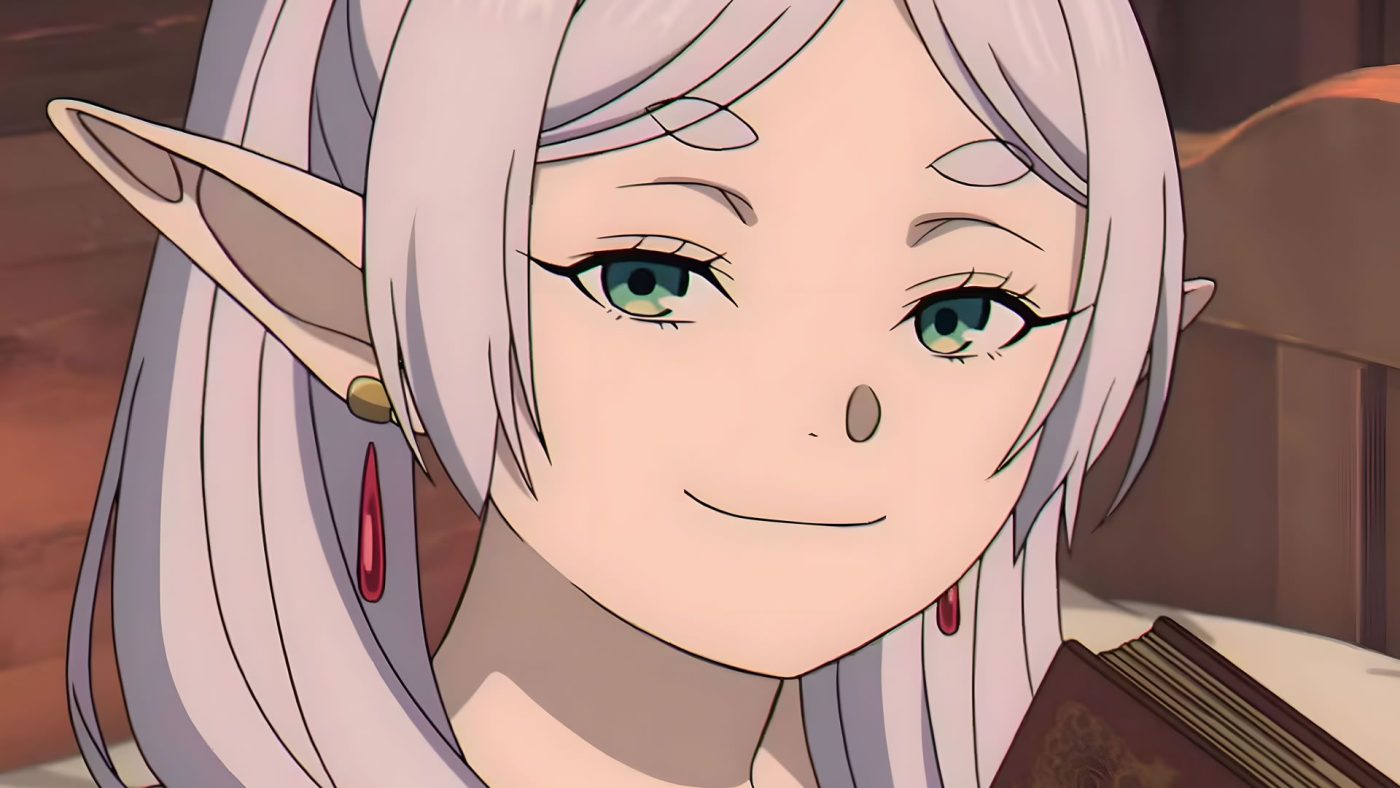

Here’s something you don’t see every day. The generation raised on weekly Shonen Jump releases and late-night Crunchyroll binges has officially reached the stage of life where they’re filling out birth certificates. And frankly, civil registry offices across the globe aren’t ready for what’s coming.
A Name With Intention
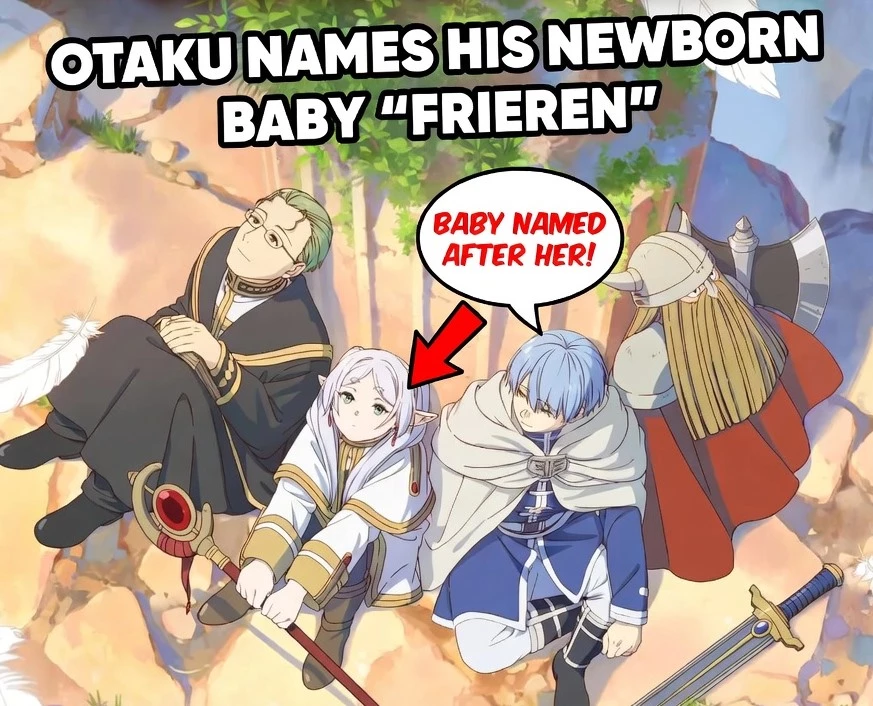
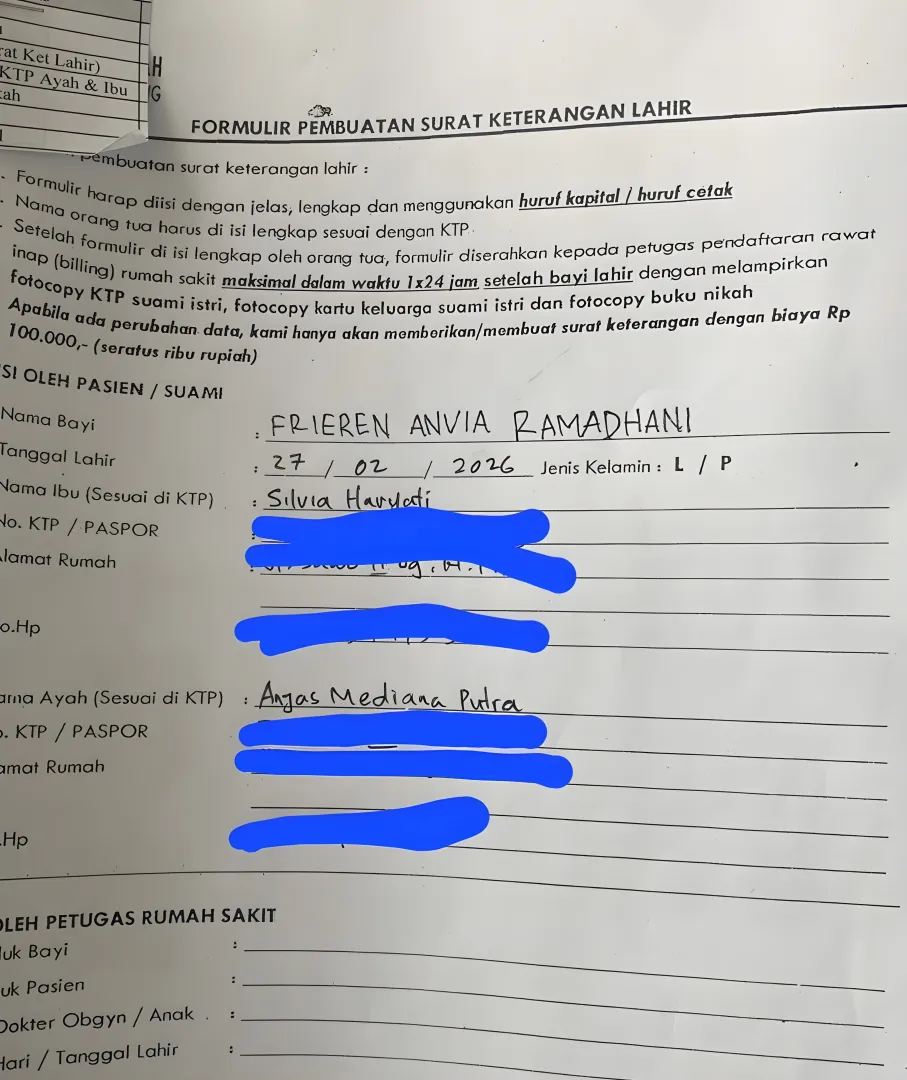
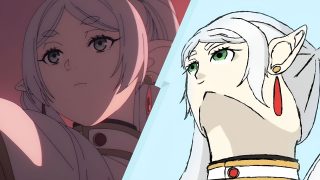
On , a father in Indonesia welcomed his daughter and registered her as Frieren Anvia Ramadhani—a direct homage to the millennial elf mage from Sousou no Frieren, the critically acclaimed series by Kanehito Yamada and illustrated by Tsukasa Abe.
This isn’t some impulsive decision made at 3 AM during a rewatch. The name carries deliberate weight. Frieren the character represents someone who has lived for over a thousand years, outlasting friends and civilisations, slowly learning to appreciate fleeting moments. For a parent, that’s a rather poetic intention: the wish that she experiences life fully.
But the internet, being the internet, immediately spotted the delicious irony. “Frieren” derives from the German word for “freezing”—which has prompted an inevitable wave of jokes about the poor girl shivering through her first winter.
Cultural Collision
What’s striking here is the cultural collision in the name itself:
- Frieren — distinctly European, heavily Japanese-pop-culture-adjacent
- Ramadhani — a surname deeply rooted in Indonesian Islamic tradition, referencing the holy month of Ramadan
It’s a name that shouldn’t work on paper, yet somehow does: global fandom culture woven into local heritage.
The Community Responds
The anime community’s response has been mixed. The purists wring their hands about potential playground teasing. Others point out—fairly—that we’ve long crossed this bridge. Latin America alone has thousands of legally registered Gokus, Narutos, and yes, even Saoris walking around.
Compared to naming your child after a screaming Saiyan warrior, “Frieren” lands somewhere between unusual genuinely elegant.
We’re watching fandom transform from a hobby into an inherited identity. What was once confined to posters on bedroom walls is now being etched into legal documents.
Questions worth considering: If you were in this father’s position, where would you draw the line between honouring a story that shaped you and burdening a child with your personal passions? And as this generation of fans continues starting families, will we see civil registries push back, or have we already crossed a threshold where fictional names are simply part of the cultural furniture?






Leave a Comment