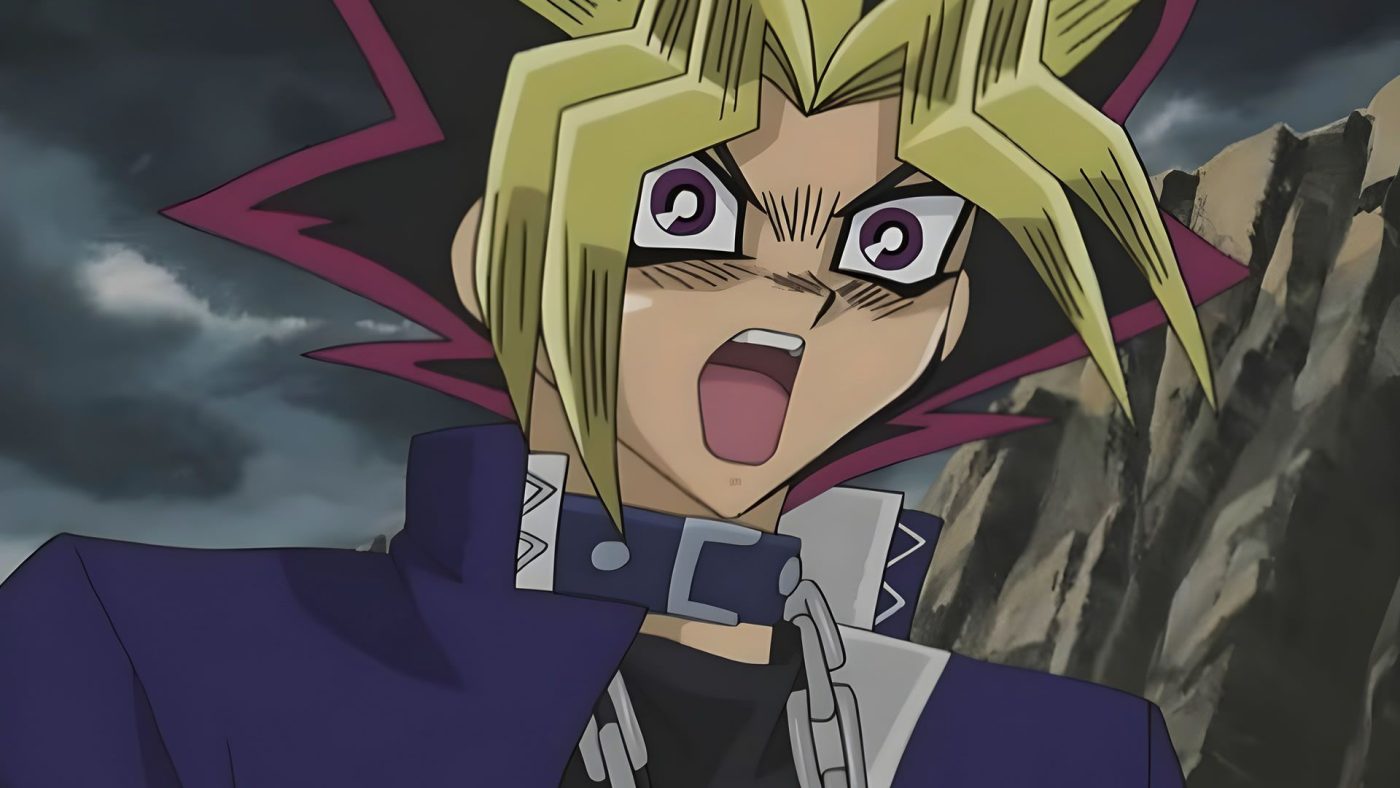

The White House Steals Yu-Gi-Oh and Pokémon Clips for Propaganda
There’s a specific kind of cringe that sets in when elected officials attempt to speak the language of internet culture. It’s the political equivalent of your dad turning up at a house party in a backwards cap—well-intentioned, perhaps, but destined to end in whispered embarrassment.
The White House’s official X account has form here. They’ve been churning out video edits that borrow heavily from gamer aesthetics—Call of Duty stylings, dramatic filters, the lot. But on , they wandered into territory that the Japanese entertainment industry guards with almost religious ferocity: anime copyright.
“It’s Time to Duel… Legal”
The video in question, titled “JUSTICE THE AMERICAN WAY,” opens with the unmistakable Mortal Kombat theme. Ambitious choice. The montage proceeds to help itself to footage from:
- Transformers
- Deadpool
- Star Wars
- Dragon Ball Super
- Yu-Gi-Oh!
One assumes nobody in the administration’s digital team thought to ring Tokyo for permission.
On , the official Yu-Gi-Oh! account issued a statement that could freeze sake at twenty paces:
“Regarding this matter, no one associated with the manga or anime had any involvement, and no permission was granted for the use of this intellectual property.”
Dry. Cold. The kind of statement that precedes lawyer involvement rather than concludes it.
The Pokémon Problem and a Spartan’s Ire
The copyright headaches didn’t stop with card games. The same political account appropriated the Pokéopia logo—slapping “MAGA” across imagery owned by The Pokémon Company.
Sravanthi Dev, a spokesperson for the franchise, responded with laser precision: “Our mission is to unite the world, and that mission is not affiliated with any political point of view or agenda.”
Pikachu has no party affiliation. Translation: Pikachu has no party affiliation. Please stop.
Meanwhile, Steve Downes—the iconic voice of Master Chief from the Halo franchise—made clear that neither his vocal performance nor the game’s imagery were authorised for government use. When the man who voices a seven-foot supersoldier tells you to desist, one might consider listening.
Japanese Corporations and Their Legendary Protective Streak
Here’s where things get genuinely interesting. Konami and Nintendo aren’t known for their forgiving nature when intellectual property crosses boundaries. These are companies that have issued takedown notices to fans creating free games out of pure affection. Their legal departments operate with the enthusiasm of a territorial badger.
Whether they’ll formally challenge the United States government is another matter entirely. Suing a presidential administration carries complexities that even the most litigious corporation might prefer to avoid. A strongly worded public statement may be the extent of the escalation—or it may prove to be the opening salvo.
What remains baffling is the strategic calculation behind using intellectual property from studios renowned for their protective litigiousness. Did no one in the room pause to mention that Japanese corporations have memories like elephants and lawyers like sharks?
The whole affair raises questions worth pondering over a decent cup of tea:
- When governments appropriate pop culture symbols for political messaging, where exactly does enthusiastic borrowing end and outright theft begin?
- If major entertainment corporations choose not to pursue legal action against a sitting administration, does that effectively create two tiers of copyright enforcement—one for ordinary citizens, and another for those holding the levers of state power?








Leave a Comment