

Someone at a Japanese talent agency looked at one of the internet’s most carefully guarded illusions and thought, “You know what this needs? A sledgehammer.”
On March 16, the agency PANDORA announced they’d officially trademarked the term “XTuber”—and no, the internet hasn’t let them forget what that sounds like. The branding echo with a certain black-and-orange corner of the web wasn’t exactly subtle.
What “XTuber” Actually Means
The technical pitch: “XTuber” supposedly stands for “cross-tuber,” describing creators who would use anime-style avatars for streaming whilst simultaneously appearing at live events as themselves. Flesh and blood. No digital mask.
PANDORA calls it offering the magic of virtual worlds without sacrificing direct human connection.
The Irony Built Into the Process
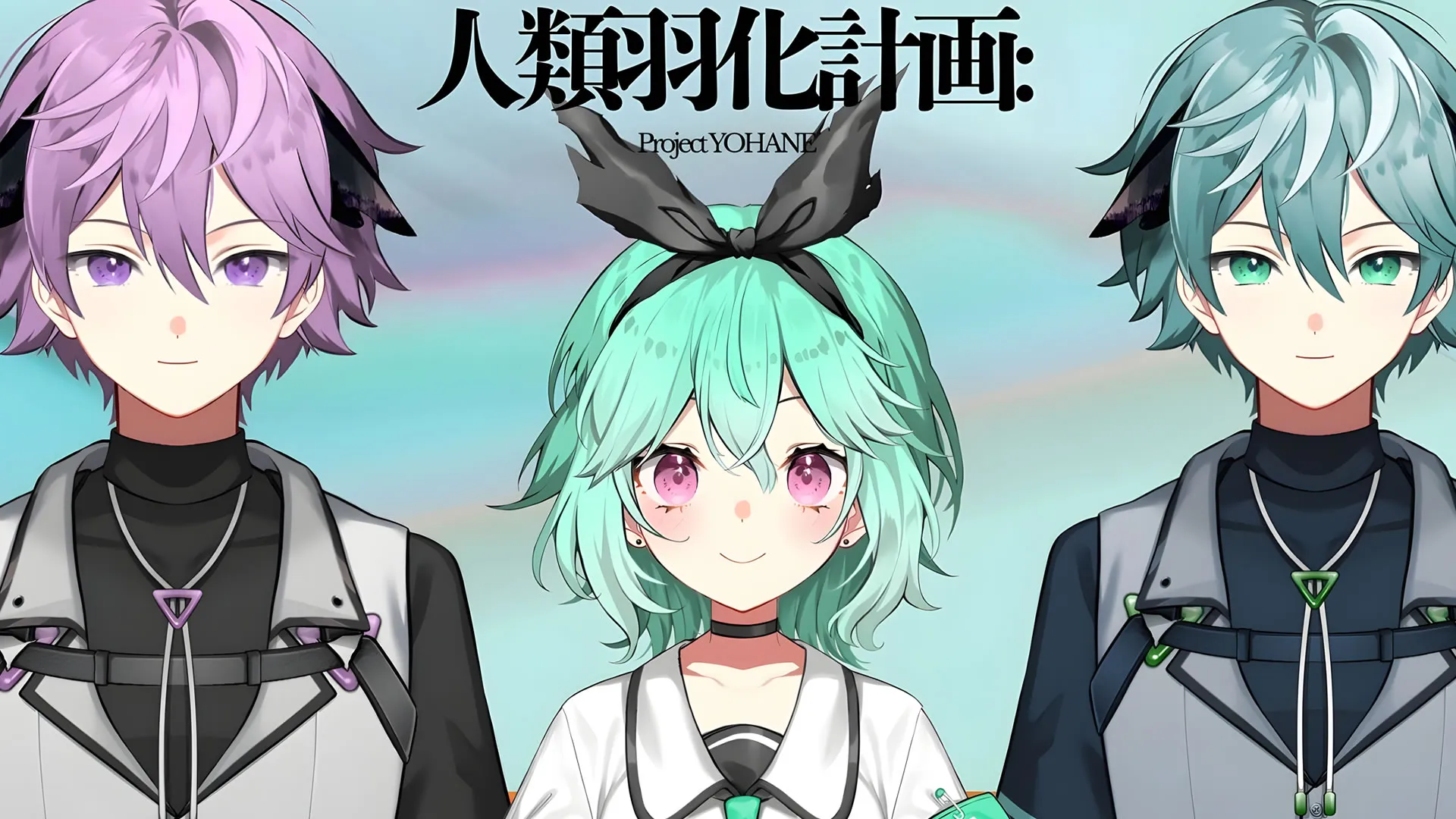
They’ve opened Project YOHANE, an audition programme hunting the first generation of XTubers. The application explicitly states candidates needn’t reveal their faces during early rounds. You can keep your anonymity to apply for a job that will eventually strip it away entirely.
The Unwritten Rules Being Broken
The industry’s unwritten constitution has always been clear on this point:
- The person behind the avatar isn’t supposed to exist in the same reality as their audience
- The character is the product
- The human operator is equipment—invisible by design
PANDORA apparently surveyed this landscape and decided the rules were more like suggestions.
The Internet Responds
Forums lit up within hours. Critics pointed out the blindingly obvious: content creators have been alternating between avatar-based content and traditional webcam appearances for years.
Indie streamers particularly have operated in this hybrid space long before PANDORA decided it warranted a trademark. The agency hasn’t discovered fire so much as they’ve invented branded a matchstick.
The Legal Question Mark
There’s also the small matter of YouTube’s historical allergy to trademark registrations containing “Tuber” in official channel names. Legal complications down the line wouldn’t surprise anyone.
What the Avatar Actually Provides
The VTuber format has thrived precisely because it offers something conventional streaming doesn’t—a carefully constructed performance layer between creator and audience.
The avatar isn’t a limitation; it’s a feature. It protects the performer. It allows for character work that would feel absurd with a human face attached. It creates a kind of intimacy that paradoxically depends on distance.
Strip that away, and what remains? Audiences gravitate toward VTubers specifically because they aren’t traditional streamers showing their faces.
The Chinese Talent Focus
The announcement specifically highlights seeking creators from mainland China, a region where VTubing has exploded in popularity but where face-reveal scandals have periodically torn through the community with real consequences.
Doxxing remains a genuine threat in that space. PANDORA’s model essentially asks creators to pre-emptively doxx themselves as a professional requirement.
A Solution Without a Problem?
Perhaps there’s a market for this hybrid approach. Perhaps audiences genuinely crave the “authenticity” of knowing who operates the character they watch.
Or perhaps—just perhaps—this is a solution hunting frantically for a problem that doesn’t exist, dreamed up by executives who saw charts showing “authenticity” trending upward and didn’t think too hard about what that word actually means.
What does the avatar actually provide—is it protection, performance, or something closer to permission for audiences to suspend their cynicism about parasocial relationships?
And if the mask comes off by design, does the magic survive the reveal, or have we just turned VTubers into regular streamers with better opening graphics?








Leave a Comment