
The Internet’s Hostile Default
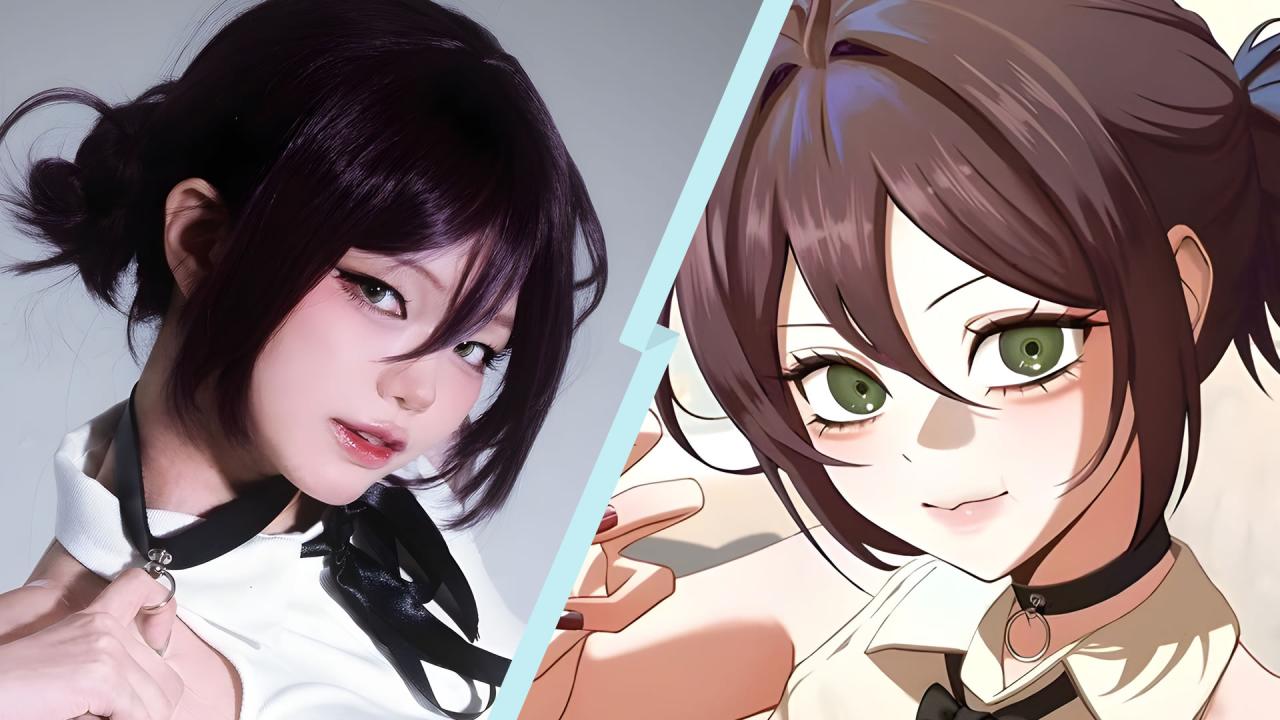
The internet can be an incredibly hostile place when ignorance meets the desire to maliciously attract attention. A South Korean cosplayer experienced an extremely uncomfortable moment in Mexico during the World Cup, becoming the target of public ridicule in a video that quickly spread across social networks because of her clothing. What began as a bitter pill driven by digital harassment took an absolute 180-degree turn the moment the otaku community discovered the true identity and enormous career of the person being attacked.
Standard internet nastiness, you would think. A cosplayer gets mocked in a non-convention public space. The clip spreads; the usual pile-on begins. The woman behind the costume is known internationally on the cosplay circuit under the name Ino Cat. The original clip captured how several strangers openly ridiculed her, and it generated immediate outrage among users who advocate for mutual respect inside and outside of conventions. However, the real impact came shortly after, when fans of Japanese pop culture began to investigate and revealed something the aggressors never expected.
She Was Not a Casual Fan
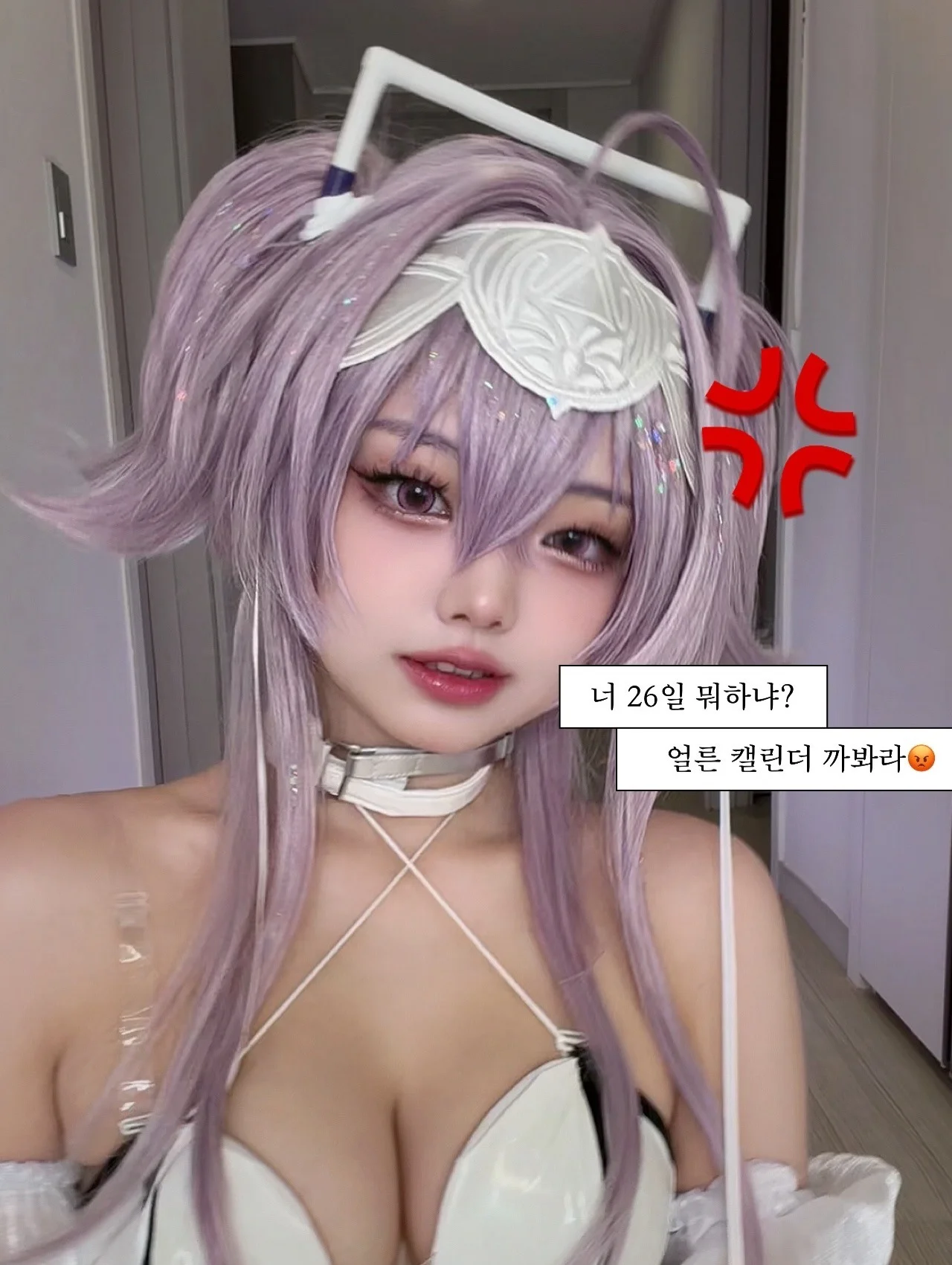
The young woman was not a casual attendee. She was Ino Cat, a South Korean cosplayer with a career most professionals in the visual arts would envy. Her portfolio is not a hobby — it is a masterclass in textile sculpture and character design. Think of her work less as “playing dress-up” and more as a live-action nakige — a term for visual novels designed to provoke strong emotional resonance. She builds that resonance stitch by stitch. She is one of the most respected and established exponents on the international scene, and has been for years.
The Narrative Reversed Polarity
The moment her identity and catalogue became known, the mockery did not just soften — it completely reversed. Instead of maintaining the inertia of ridicule, the situation provoked a massive global support campaign that flooded her profiles with messages of admiration, collective apologies, and praise for her artistic discipline. What followed was even more telling: a mass discovery of her art. Thousands of new followers did not join out of pity; they joined out of genuine awe at the craftsmanship.
They were looking at the visual language of her costumes — the exactness of the silhouette, the material accuracy that fans of Vocaloid would recognise instantly.
This unexpected focus of attention, far from harming her, ended up giving tremendous visibility to her entire work portfolio — all without her having to lift a single finger to defend herself from the initial attack.
Her Background and Love for Hatsune Miku
For enthusiasts of the medium, the name Ino Cat is closely linked to recreations of impressive fidelity of Hatsune Miku, the iconic virtual idol of the franchise Vocaloid. Her constant presence at international conventions and her dedication to making highly detailed costumes had already given her a widely recognized status within the niche long before this incident ever occurred. Her body of work was, in itself, the defence she never had to present.
A Critical Pattern in How We Assess Value
This case reveals something fundamental about human judgment. The initial reaction was based purely on context — or rather, the lack of it. A person in a costume in a non-convention space. The context was “strange.” The subsequent reaction was based on expertise. The context became “peerless professional.” The object — the costume — never changed. The data about the creator did.
It is a sharp case study in perception engineering. The harassment accidentally provided the perfect setup for a reputational coup.
The community acted as a distributed fact-checking and amplification network. They provided the missing context that the casual aggressor lacked. The cosplay hobby continues to face certain prejudices outside its usual environment, although in the end the talent always ends up speaking for itself. The costume hobby is still judged by outsiders who do not understand the discipline, skill, and artistic depth it demands.
The Uncomfortable Questions That Remain
Does this kind of viral reversal actually educate people about respecting the craft of cosplay — or does it simply highlight that our respect is conditional, granted only once an individual’s status as a “serious” artist is verified by a critical mass of peers? Is the applause for the underdog who rises, or for the established expert who was temporarily misclassified?
- When we celebrate the “comeback” of an expert like Ino Cat, are we inadvertently reinforcing the idea that only proven excellence deserves basic human respect?
- Could the energy used to correct the record after the fact ever be channelled into preventing the initial misjudgement — or is that level of context-awareness simply not how human crowds operate?
- What does it say about the perceived legitimacy of cosplay as an art form that its practitioners must essentially pass a public portfolio review to avoid ridicule in a public square?






Leave a Comment