

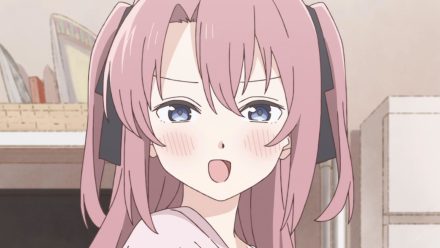
When the third episode of the anime adaptation of Kamiina Botan arrived, audiences noticed the visual style had drastically changed gear. The immediate assumption? Panic. The internet diagnosed a textbook case of sakuga collapse—the industry term for a visual cliff-edge, usually triggered by empty coffers or ticking clocks.
But the original manga author, known simply as HEY, stepped in to rewrite the narrative.
Connecting Dots That Were Never There
Human beings are remarkably brilliant at connecting dots, even when the picture they’re drawing is entirely wrong. The first two episodes of this slice-of-life yuri comedy—focusing on schoolgirls, camaraderie, and drinking—had established a clear, consistent visual rhythm. Episode three suddenly embraced a highly stylised, minimalist approach with markedly less movement.
The public instantly projected a narrative of production failure onto the screen.
HEY, who sits on the production team, issued a straightforward statement: there was no budgetary shortfall, and no one was rushing to meet a deadline. The episode was executed exactly as planned.
HEY asked viewers to evaluate the episode on its own creative terms, rather than on an assumed tragedy behind the scenes.
A Room Split Down the Middle
The fallout from this clarification divided viewers:
- The Optimists: A vocal faction appreciated the bold pivot. They argued the episode still delivered the work’s inherent warmth, viewing the stylistic leap as a worthy experiment.
- The Traditionalists: Others found the shift thoroughly jarring. For them, the stark change in visual grammar snapped the emotional tether they’d formed with the show’s earlier aesthetic.
The Missing Anchor
The project notably lacks a chief animation director—a role typically designed to enforce visual consistency across a series. Remove that anchor, and you inherently invite episodic variance.
In a tight 12-episode run, that freedom is a double-edged sword. It allows for unfiltered artistic swings, but risks breaking the audience’s established connection just as they are settling into the world.
The Conversation Shifted
By addressing the rumour mill head-on, HEY achieved something rather clever. The audience stopped questioning the studio’s balance sheet and started questioning the director’s creative choices.
It’s a far more productive debate, even if the verdict is still out on whether the experiment actually worked.
Does an audience’s default assumption of budgetary failure reveal a deeper cynicism about how modern media is made? In a format designed for weekly, predictable consumption, does visual consistency outrank visual experimentation?
And if a project lacks a unifying artistic anchor, is disjointedness an inevitable side effect, or simply the price of admission for genuine surprise?






Leave a Comment