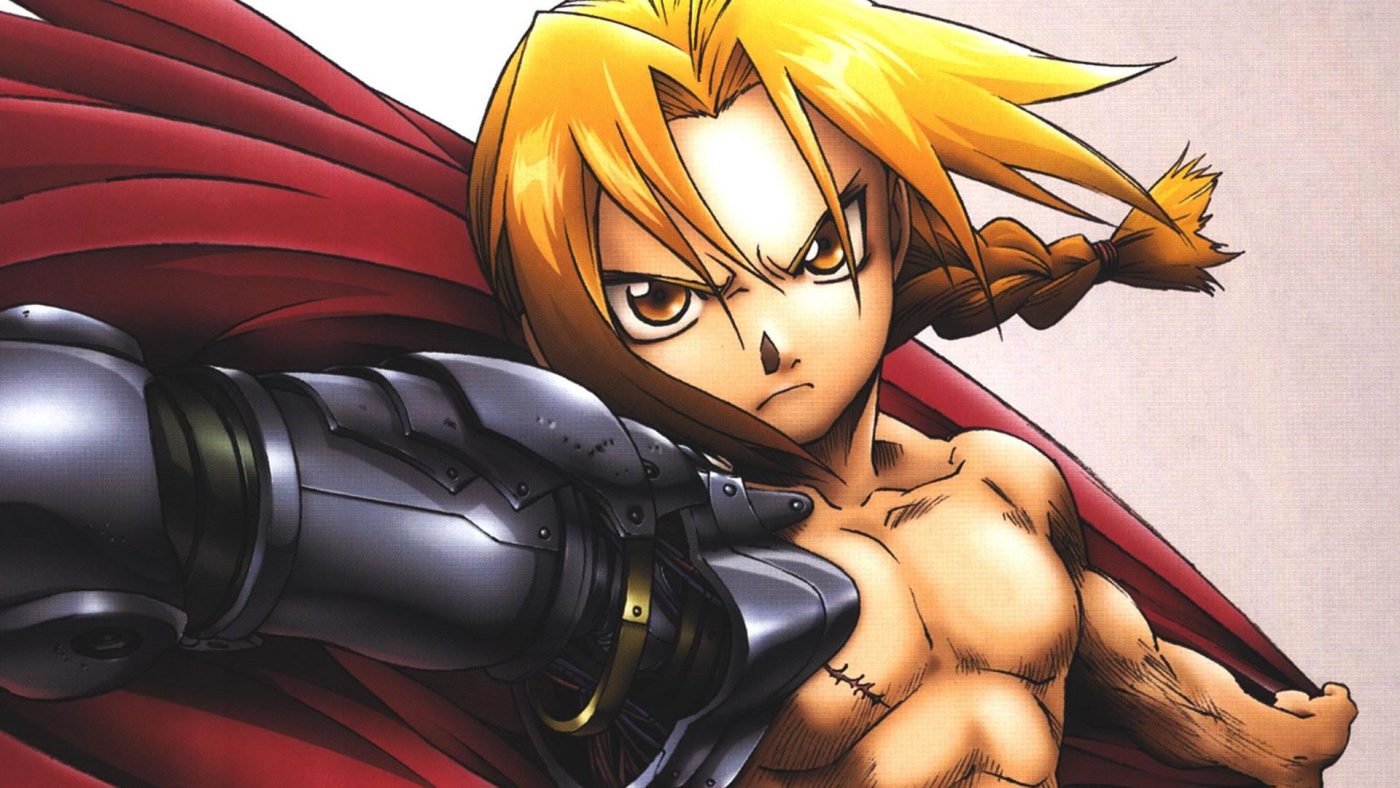

Let’s be honest: we’ve all been sold a story for the last twenty years. The narrative goes that the 2003 Fullmetal Alchemist anime was a rogue operation—a disaster that left the creator, Hiromu Arakawa, absolutely furious. It feels like a settled fact, doesn’t it? Well, it turns out that feeling is dead wrong. The reality has finally surfaced, and it completely dismantles the rumour mill.
The truth behind the production
It started when a fan on X (formerly Twitter) began poking holes in the myth that “Bones ruined the show on their own.” This prompted Sho Aikawa, the veteran screenwriter behind that adaptation, to step out of the shadows. He confirmed something that might surprise you: the production wasn’t a rebellion; it was a collaboration. Far from being angry, Arakawa wasn’t just aware of the changes—she gave the blessing to alter history herself. In fact, she was the one who insisted on it.
A race against the source material
Here is the situation: the anime began airing in 2003, just two years after the manga launched in 2001. The production team was gaining on the source material fast. Rather than stalling with endless filler episodes, a different path was chosen. As Aikawa revealed, Arakawa explicitly requested a different conclusion because her story was just getting started. She didn’t want the anime to spoil the plot she was still writing. This isn’t speculation; it’s confirmed in the official Fanbook.
Strict rules and supervision
But she didn’t just give them free rein to do whatever they wanted. She set the table with specific, somewhat amusing, conditions to keep the project honest. The writing team was under the microscope, with Square Enix editors attending every script meeting. If a question arose, they called Arakawa directly.
The guidelines she imposed are fascinating because they reveal exactly what she wanted to protect about her world. She was determined to prevent the anime from becoming a generic spectacle. The restrictions were clear:
- No Motorcycles: Arakawa strictly forbade Ed or any main character from riding a motorcycle. It seems the technology level of her world didn’t allow for that kind of “bad boy” aesthetic.
- No Flying: The rule was simple: “Don’t use alchemy to fly.” She was adamant about maintaining the “realistic” physics of her magic system.
- Direct Supervision: This wasn’t a hands-off deal. The editors were there to ensure the essence of the lore remained intact, even as the plot diverged.

A unique vision sanctioned by the author
For those who only know Brotherhood, the 2003 version produced by Studio Bones is a distinct beast. Because it had to forge its own path, the second half developed a darker, more dramatic tone with a bittersweet ending. It isn’t canon to the manga, but it is a unique piece of storytelling that was crafted with the author’s permission, not against her will.
So, the question isn’t about which version is superior anymore. The facts are on the table.
We have two distinct visions of the same beginning, one sanctioned to go its own way while the other followed the mapped road. How does knowing the author was actually in the driver’s seat for that first divergence change your perspective on the 2003 series?



Leave a Comment