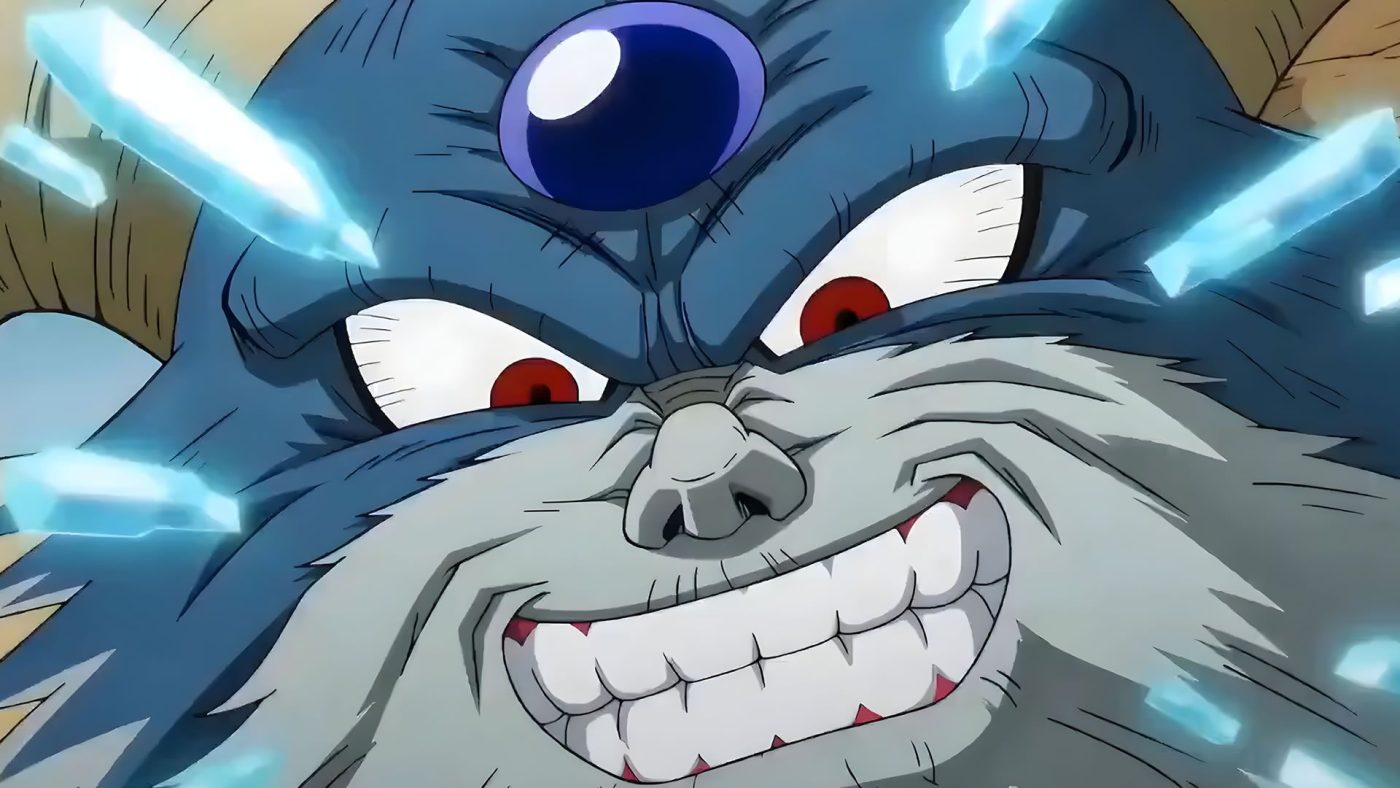

ByteDance—the TikTok overlords—have quietly unleashed something that should have every animation studio checking their rearview mirror. It’s called Seedance 2.0, and it’s currently tearing through Chinese social media like wildfire.
Here’s the headline: this AI takes static manga panels and transforms them into full-blown anime sequences. We’re talking fluid movement. Sound effects. Dynamic camera angles. The whole package.
And no, this isn’t another generic video generator that produces nightmare-fuel animations where characters morph into unrecognisable shapes between frames. Seedance 2.0 actually understands visual storytelling.
What Makes This Different
The secret sauce is multimodal input. Instead of just typing text prompts and hoping for the best, users can upload up to nine reference images, guide videos, and audio files simultaneously. The AI uses all that context to maintain character consistency and—crucially—respect the original art style.
The specs are worth noting:
- Duration: 4 to 15 seconds per clip
- Resolution: High-quality output
- Audio: Automatically generates sound effects and background music
- Fidelity: Preserves the mangaka’s original linework
Naturally, fans have already weaponised this tool. The Moro arc from Dragon Ball Super? Animated. Pokémon battles? Done. The results are coherent enough that they could pass for official broadcasts at a glance.
The Closed Beta Reality
Before we get carried away, some context. Seedance 2.0 is currently in closed beta via China’s Jimeng platform. It’s not widely available, and there’s no confirmed timeline for international release.
But the technology exists. It works. And it’s only going to improve.
What This Actually Means
Traditional animation takes months. Storyboarding, keyframes, in-betweens, compositing, sound design—the pipeline is enormous. Seedance 2.0 compresses that into minutes. Not for final production, perhaps, but certainly for prototyping.
The question isn’t whether this will change fan-made content. It already has. The question is what happens when these tools become widely accessible and the output quality inches ever closer to studio-grade work.
So here’s where I’m genuinely curious: if anyone with a laptop can eventually produce animation that rivals professional studios, what happens to the value we place on craft? Does the flood of AI-generated content elevate the truly exceptional human work—or does it all just become noise?








Leave a Comment