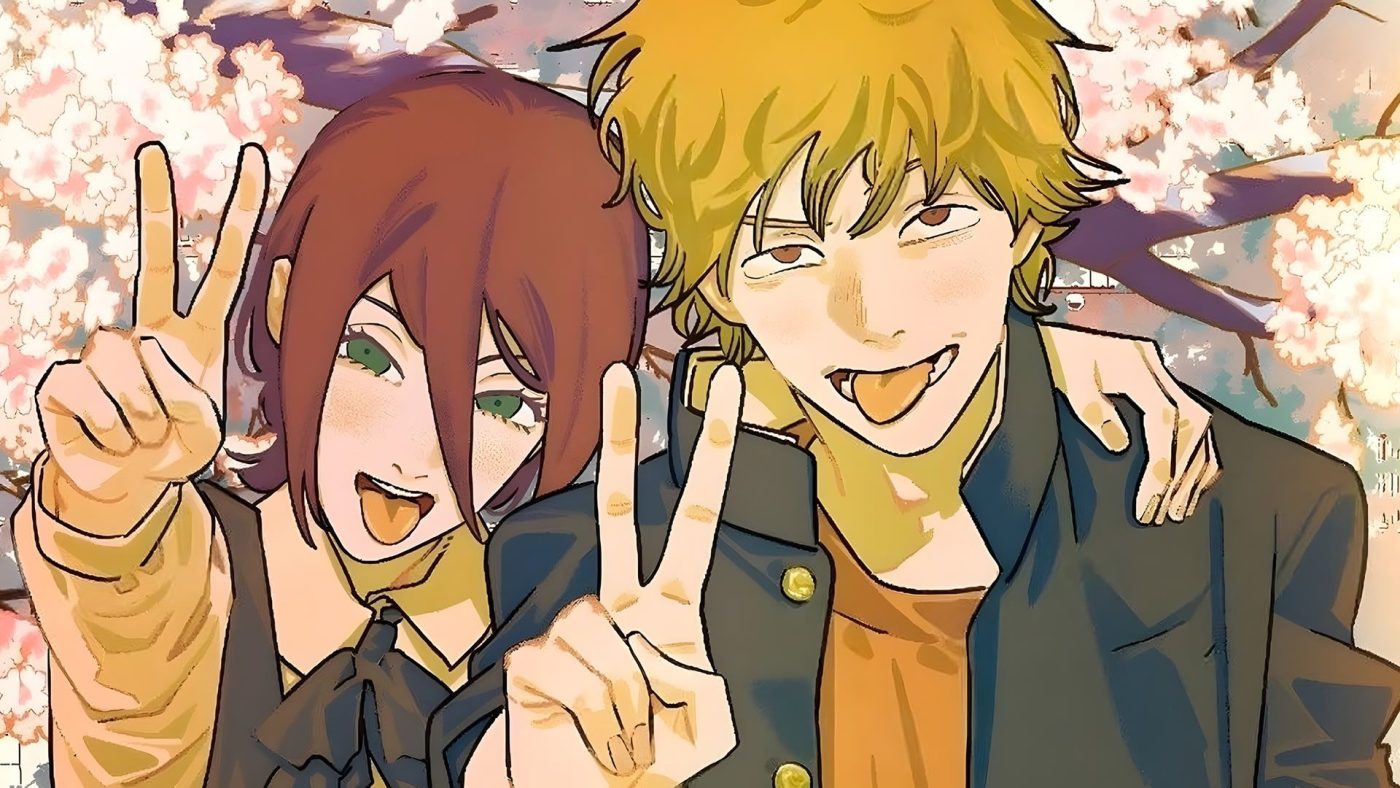

A 2020 quote from Tatsuki Fujimoto’s Bomb Girl tankobon brochure resurfaced with impeccable timing alongside MAPPA’s film release. The quote confirmed what readers long suspected: Reze’s death wasn’t impulsive trauma-porn—it was deliberate narrative architecture. Fujimoto stated,
“I like it when the protagonist and the heroine don’t end up together. I want them to carry that weight forever.”
No ambiguity. No softening. The “lingering curse” he envisioned demanded absolute separation, not a heroic sacrifice with closure.
Denji doesn’t save Reze. Reze doesn’t redeem herself. They almost escape—then Makima’s machinery intervenes.
The Jin-Roh Lineage: Institutional Violence and Doomed Connection
Fujimoto cited Mamoru Oshii’s 1999 film Jin-Roh as a key influence, particularly its portrayal of doomed connections crushed by institutional violence. In Jin-Roh, Fuse and Kei never stood a chance; their attraction was a trap set by competing systems.
Fujimoto transplanted this dynamic into shonen manga’s expectation framework, where heroine deaths typically trigger male power-ups. Here, Reze’s death catalyzes nothing. Denji doesn’t level up. He simply keeps living, the weight of loss remaining static, not transformative. This subversion is the crux.
The 2025 Reversal: Creator vs. Creation
The MAPPA film’s fidelity to Fujimoto’s vision sparked an unexpected reaction: the creator himself “couldn’t sleep” after the screening. His editor, Shihei Lin, reminded him of his own narrative rigging. This isn’t a quaint anecdote—it’s proof that effective tragedy operates beyond authorial immunity.
Fujimoto’s post-film illustrations of alternative, happy endings weren’t fan service but emotional processing. He admitted his design worked too well, rendering him subject to his own mechanism.

Why “Doomed Romance” Resonates Deeper in 2025
Chainsaw Man’s fandom has aged five years since the manga arc. The film now reaches an audience that has accumulated its own “almost-escapes”, its own Rezes—figures who left, died, or transformed. Fujimoto’s 2020 quote prioritizes “unresolved longing”, a theme that clashes with contemporary fan culture, where fanfiction and shipping discourse aggressively resolve ambiguity.
The refuses to yield. Reze stays dead. Denji preserves the coffee shop memory, untarnished by domestic degradation.
The Makima Problem: Authorial Tension
Fujimoto’s frustration with Makima’s role as the systemic antagonist is telling. He designed her as control incarnate, yet expressed irritation at her efficiency in destroying Reze. This suggests an authorial attachment to possibility that exceeded narrative discipline. Fujimoto wanted Reze to exist in the space of almost, not be erased by plot necessity. The tension between architect and occupant defines the work’s authenticity.

Fandom’s Divided Verdict
Communities split between viewing “pain as a quality marker” and “pain as exhaustion”. The 2025 film intensified this divide: new viewers experience Reze’s arc compressed into 90 minutes, while manga readers have had years to digest it. The “one that got away” framing demands cultural consensus that tragedy elevates—a consensus increasingly contested in markets prioritizing comfort and resolution.
Does Fujimoto’s 2020 design document justify the emotional cost, or does his post-film insomnia reveal a flaw in the architecture? Is sustainable fiction built on sealed doors or unlocked possibilities?






Leave a Comment