

Most of us have developed a reflexive wince whenever traditional television tries to do internet culture. It usually lands about as gracefully as your dad explaining TikTok dances at a wedding.
But Law & Order: Special Victims Unit—a programme on the air since most VTuber fans were in nappies—just did something genuinely surprising. They didn’t mock it. They didn’t cheap out. They actually bothered to understand it.
What Happened in Vivid
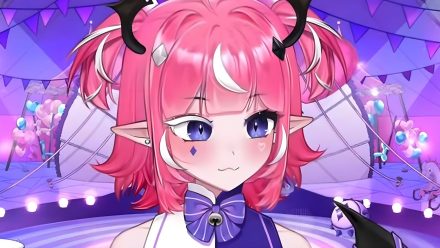
Episode 16 of Season 27 introduces Jaded_Ember, a popular VTuber portrayed by Sarah Desjardins. During a live stream, her character recovers a repressed memory of sexual assault through experimental therapy.
Her community reacts with chaotic loyalty—vandalising her ex-boyfriend’s car in what can only be described as a remarkably committed fandom gesture.
- The SVU investigation unspools into a negligent clinic
- Psychedelic treatments become the real villain
- Classic structure, properly updated for the digital age
Actually Doing the Homework
Television has a long, embarrassing history of portraying gaming and streaming culture with all the accuracy of a hydrogen sandwich.
For once, a major network didn’t fall into that trap.
Instead of some flash animation built during the Clinton administration, the production brought in actual professionals from the VTuber industry. The result:
- A properly rigged 2D model
- Fluid expressions and convincing mouth movements
- Technical polish matching a genuine streaming career
Why This Feels Different
Most attempts to bridge television and internet culture suffer from the same fundamental error: they approach the subject from above, looking down.
Look at these odd people with their animated avatars. Isn’t it quaint?
This episode did something subtler. It assumed from the start that VTubing is a legitimate profession with genuine emotional stakes. Jaded_Ember’s audience isn’t portrayed as deluded for caring about someone they’ve never really seen.
The detective work focuses on the crime, not the absurdity of the format.
What This Signals
When a franchise with this cultural footprint treats virtual entertainment as something worth getting right, it signals something. The format isn’t a punchline anymore. It’s simply another medium—deserving of the same craft they’d apply to anything else on screen.
- If traditional television can learn to treat virtual performance with genuine craft, what other cultural blind spots have producers been too lazy to address?
- Does legitimisation from mainstream media help the VTuber community, or does it risk diluting what made the format distinctive?
- Which legacy institution will be the next to discover that paying attention isn’t actually that difficult?








Leave a Comment