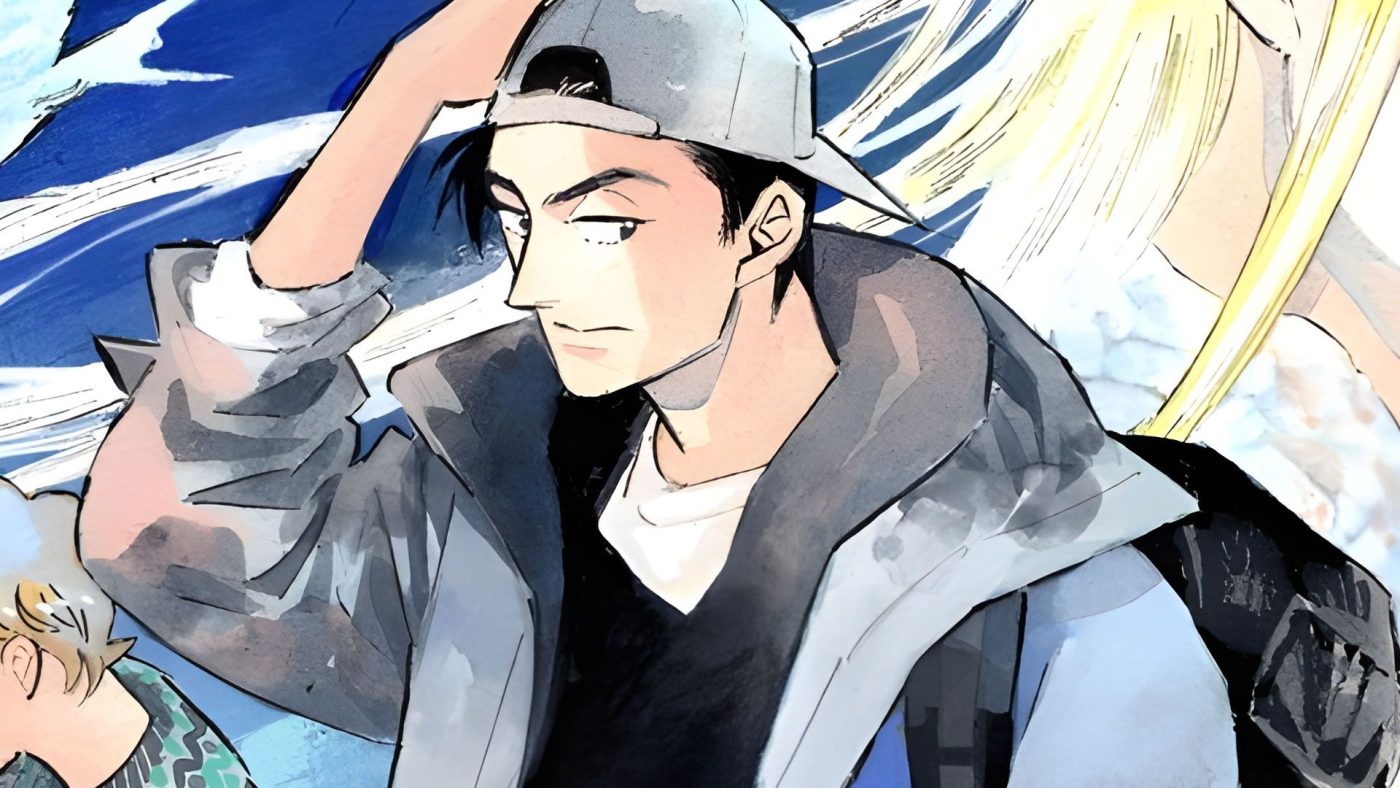

Go with the Clouds, North by Northwest—Aki Irie’s acclaimed mystery manga—has been officially confirmed for television anime adaptation. The announcement arrives with almost suspicious precision, timed to coincide with the series’ third lease of life.
Irie, already revered for the sumptuous Ran and the Gray World, marked the occasion with a commemorative illustration that feels less like promotional art and more like a weather report from the edge of the world.
A Publishing Journey of Serialised Resurrection
Since its debut in Harta during March 2016, this manga has been serialised, uprooted, suspended, and salvaged:
- 2016: Begins serialization in Harta magazine
- 2021: Moves to Aokishi (Kadokawa)
- February 2025: Suspension of serialization
- Now: Restarted under Yukiwariso as a “second series” with reset volume count
That is not the biography of a project with nine lives; it is the biography of a project too stubborn to read its own obituary. The first collected volume of this new stage hits shelves this Thursday, offering readers a clean ledger just as the promotional drums begin to beat.
Iceland at 64°N: Where Cars Speak and Silence Swallows
The premise disarms you with deliberate gentleness. Set at a brisk 64 degrees north in Iceland, the story follows Kei Miyama—a seventeen-year-old private investigator who is:
- Dreadful around beautiful women
- Carrying personal tragedies like loose change
- Possessed of the singular knack of conversing with cars
At first glance, his cases feel almost cosily parochial: a lost dog here, a reunited infatuation there. But Irie is running a bait-and-switch with literary patience.

Kei’s supernatural vehicular small-talk is not mere whimsy. It is a study in proxy intimacy—engines tell the truth; people rarely do.
When the narrative finally tightens around the search for his missing younger brother, the shift from public mystery to private grief feels inevitable, as if the Icelandic silence itself has been waiting to swallow him whole.
Choreography, Not Coincidence
What makes this adaptation timing genuinely fascinating is the confluence of formats. A print reboot attempts to recapture wandering readers while an animated production expands the funnel for new ones. The industry rarely throws production budgets at bruised properties unless it senses something beneath the surface that raw sales figures failed to capture.
If a manga can survive two magazine deaths and a renumbered resurrection yet still command an animation budget, what might that suggest about how the industry truly values narrative stubbornness over immediate metrics?
When a boy understands the language of automobiles better than the language of human connection, are we witnessing a detective story, or a slowly unfolding portrait of what happens when grief forces us to translate the world through whatever objects refuse to leave?
And if a “second series” reboot can serve as both life raft and launching pad, should we not be asking why so many other interrupted stories are buried abandoned before anyone even checks whether the engine still turns over?



Leave a Comment