
When you have spent nearly fifty years scoring everything from Bleach to Berserk and Shin Godzilla, you develop a keen sense of how to read a room.
Following the finale of the Back to Neon Genesis film concert in Osaka, legendary composer Shiro Sagisu sat down with writer and musician Seiji Nakazawa to peel back the curtain on one of anime’s most meticulously dissected sonic landscapes: Neon Genesis Evangelion.
A Baroque Surprise for Komm, Süßer Tod
Insert songs are sacred cows—you don’t casually tinker with them unless the global appetite demands it. Yet Sagisu did exactly that, confirming this was the first time he had ever presented such a version publicly.
Slipping a track from the 1997 film into a concert dedicated exclusively to the 1995 television series was a calculated move to catch the crowd flat-footed.
The most rewarding part of changing the arrangement of a song is when it makes people talk about it.
It’s a classic pattern disruption. You don’t just want the audience to passively listen; you want to force a reaction so potent they have to dissect it on the train ride home.
Hideaki Anno’s Classic Vision
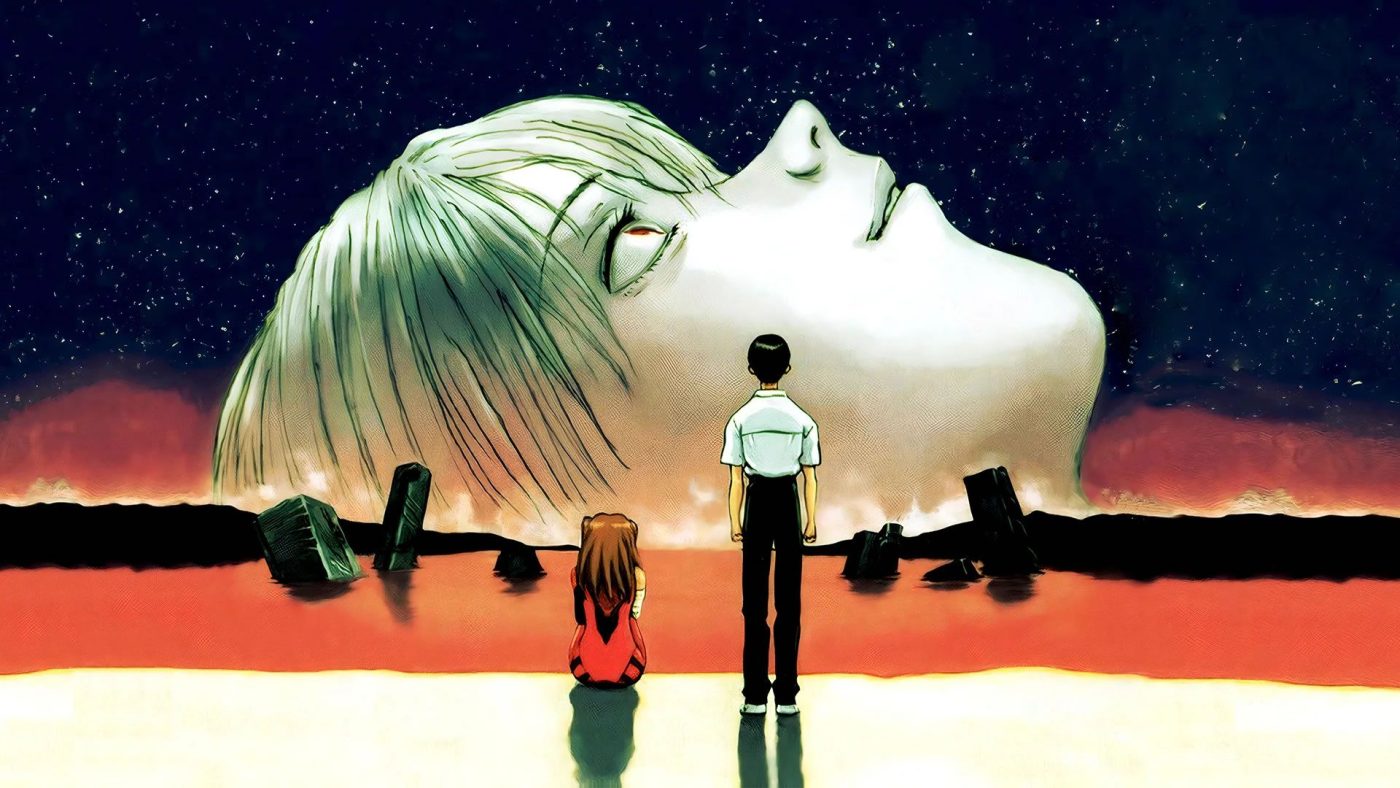
The jarring, brilliant cognitive dissonance of Asuka’s desperate brawl against the Mass Production Evangelions in The End of Evangelion, soundtracked by the tranquil elegance of Johann Sebastian Bach’s Air
, is a choice so counter-intuitive you almost have to double-check the credits.
Sagisu firmly clarified that this masterstroke was not his doing. The deployment of Bach, mirroring the earlier use of Beethoven’s Ninth Symphony in the television run, were decisions made directly by creator and director Hideaki Anno.
- Bold directorial gamble: smothering raw, visual desperation with serene classical music
- Emotional payoff: forces the audience’s brain to process two violently opposing realities simultaneously
The Compositional Process
When pulling apart the mechanics behind earworms like Thanatos
or Asuka Strikes
, Sagisu dismantled the myth of the linear composer.
There is no tidy, sequential assembly line of melody first, rhythm later. When scoring to picture, the melody, accompaniment, and rhythm spring up simultaneously—a kind of instant mental polyphony that goes straight onto the score sheet.
It’s less like building a house brick by brick, and more like chucking a fully formed sculpture at the page.
A Warm Exchange Between Colleagues
The interview wrapped with a charming twist of professional courtesy. Sagisu, a self-professed fan of Nakazawa’s articles, had personally requested the writer for the chat.
The conversation closed with Nakazawa handing over a demo tape of his own band. Sagisu praised the interviewer’s guitar work, drawing a parallel to his old friend Mike Wyzgowski—the very chap who penned the English lyrics for Evangelion.
A lovely bit of symmetry to close the loop, proving the franchise’s gravitational pull remains as strong as ever.





Leave a Comment