
Let’s be straight about something. The anime community isn’t exactly renowned for its athletic prowess. We’re the demographic that considers walking to the fridge “cardio.” And yet—here’s the pattern nobody talks about—there’s an entire genre dedicated to making us sweat through our screens.
The Japanese call it spokon. We call it sports anime. And when it works, it doesn’t matter whether you know your volleys from your rallies. What matters is the human drama underneath.
I’ve spent years analysing what makes people tick. These shows understand something fundamental about human psychology that most live-action sports films still haven’t cracked.
Kuroko’s Basketball
Production IG looked at basketball and thought: what if we made it Dragon Ball? Physics becomes a suggestion. Special abilities have names. The Generation of Miracles roam the court like demigods.
It’s absurd. It’s also impossible to look away from. Kuroko and Kagami’s partnership works because it’s built on the oldest trick in the book—the underdog story done with such conviction you stop asking questions.
Ping Pong the Animation
Masaaki Yuasa doesn’t care if you’re comfortable. The art style looks like sketches drawn during an earthquake. But here’s what most people miss: the rough aesthetic is the point.
Eleven episodes exploring talent versus obsession, natural gift versus grinding labour. Peco and Smile aren’t just playing table tennis—they’re working through their entire psychological makeups. Cinema, pure and simple.
Stars Align
This one catches people off guard. Looks like a gentle tennis club story. Then the fabric tears.
- Abrasive parents
- Identity struggles
- Emotional damage that doesn’t heal neatly
The sport becomes secondary—which is precisely why it works. Sometimes the court is the only safe place left.
Tsurune
Kyoto Animation, doing what they do best—making stillness feel profound. Traditional archery isn’t about hitting targets; it’s about breathing, posture, clearing the mind.
Minato’s struggle with target panic becomes a meditation on failure itself. The sound design alone deserves recognition. Every draw of the bow string makes you hold your breath. Quiet, devastating, beautiful.
Run with the Wind
Ten mismatched university students coerced into running the Hakone Ekiden, one of Japan’s most brutal relay marathons. What starts as blackmail ends as brotherhood.
The real victory isn’t the finish line—it’s the uncomfortable middle ground where these strangers actually start caring about each other. A masterclass in ensemble storytelling.
Yuri!!! on Ice
This show didn’t break the internet by accident. Studio MAPPA delivered figure skating choreography so fluid you could feel the ice beneath your feet.
But the real achievement? Mental health treated as ongoing work, not a pit-stop plot point. And a central relationship that unfolds naturally, with genuine romantic tension, no fanfare, no controversy. Representation without desperation.
Chihayafuru
A card game. A card game. And somehow, competitive karuta generates more tension than most boxing matches.
Chihaya Ayase’s obsession pulls you under. What looks like a genteel pastime becomes a battlefield of memory, reflex, and identity. The genius lies in making intellect feel visceral. Your heart races watching people sit still.
Haikyuu!!
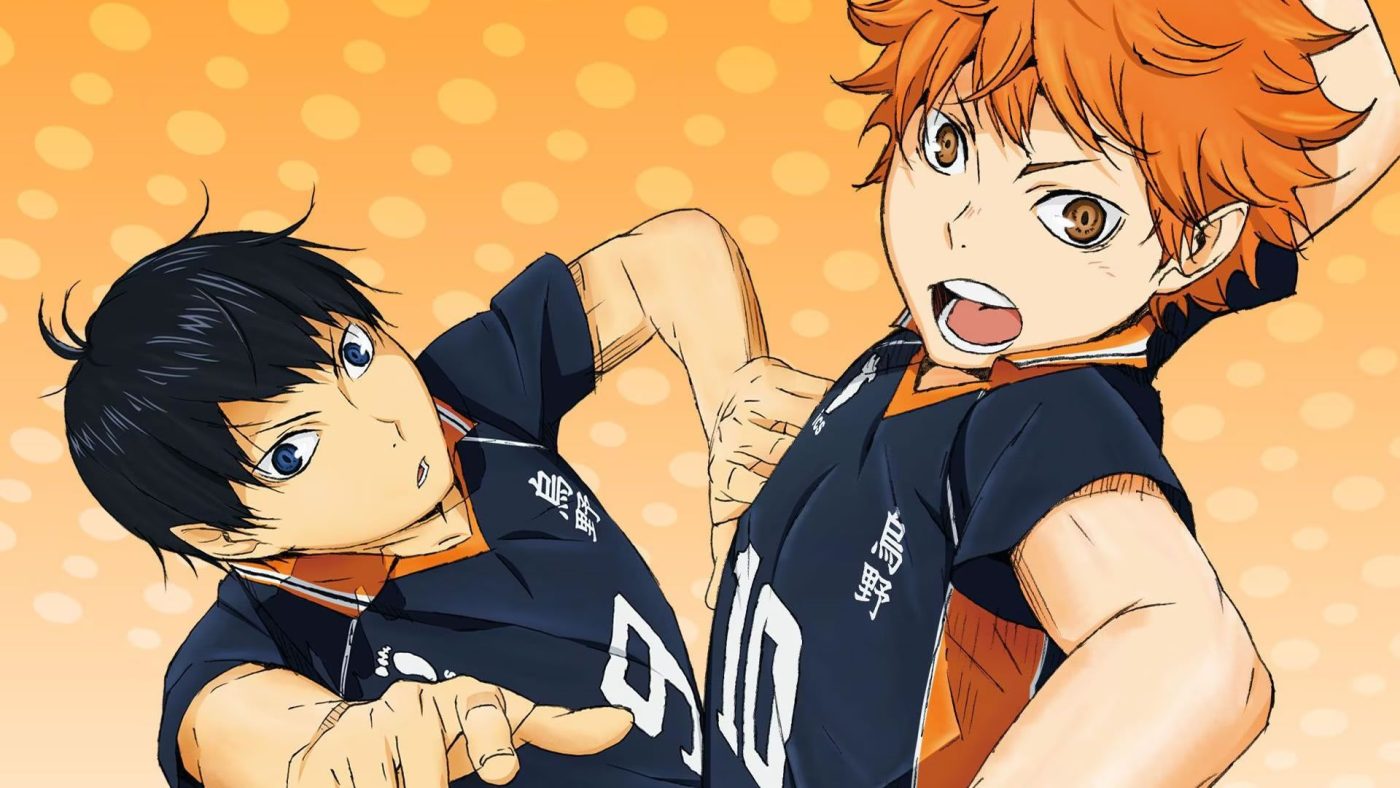
Here’s the thing about Haikyuu!!—it refuses to give you villains. Every opponent has dreams, insecurities, a point to prove.
Karasuno’s journey isn’t about crushing enemies; it’s about earning respect through sheer, grinding persistence. The show’s real weapon is empathy. You end up rooting for everyone.
Hajime no Ippo
Madhouse understood something crucial: boxing narratives live or die on the believability of punishment. Every punch in Ippo lands with weight you can feel in your teeth.
The training sequences are grueling enough to exhaust the viewer. Yet somehow, it never tips into misery. There’s humour, strategy, heart. A bullying victim finds his voice through learned violence—ironic, but earned.
The standard by which all fighting anime should be measured.
Slam Dunk
Sometimes the originator remains the peak. Takehiko Inoue didn’t just create a basketball manga—he sparked an actual cultural boom in 1990s Japan.
Hanamichi Sakuragi’s arc from delinquent chaser to genuine athlete unfolds with patience modern storytelling rarely attempts. He starts awful. He stays awful for a long time. The improvement comes in painful, incremental steps.
When it finally clicks, you’ve earned that payoff alongside him. This isn’t nostalgia talking; it’s craft.
The Pattern Behind the Magic
Here’s what separates these ten from the forgettable rest: they understand that sport is simply the setting for human behaviour under pressure.
The ball, the racket, the board—they’re stage props. The real action happens in the spaces between games:
- Doubt
- Ambition
- Fear
- The desperate need to prove something to yourself
Most sports content focuses on winning. These focus on what it costs to try.
The question isn’t whether you’ll suddenly take up tennis after watching them. It’s whether you’ll recognise a bit of your own struggles in their training montages.
After working through this list, has your definition of “competition” shifted at all? And which character’s struggle felt most familiar—regardless of whether you’ve ever held a racquet?





Leave a Comment