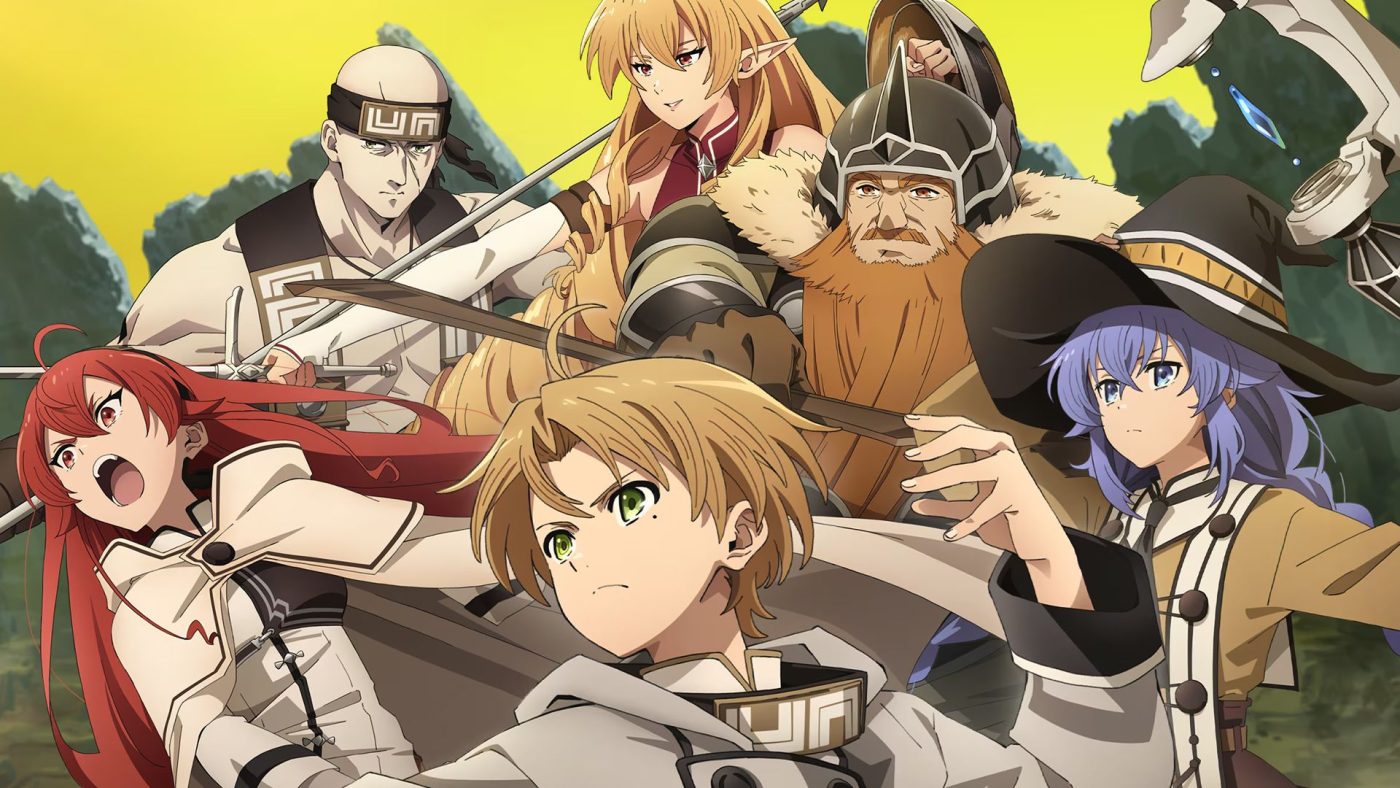

The creator of Mushoku Tensei rarely troubles himself with what the online mob thinks. But when he does speak, the man doesn’t just lob a hot take—he drops something closer to a miniature craft lecture, delivered with the weary patience of someone who’s been misunderstood about a thousand times too many.
Recently, Rifujin na Magonote spelled out exactly why adult content, handled without apology, can be the very thing that stops a story from feeling like a cardboard theme park ride. And frankly, half the industry could do with pinning his comments above their desks.
The Two Traps That Kill Good Writing
What he said, in essence, is that you don’t fix a hollow script by glueing on a saucy scene for bonus points—the writers who think that way are missing the plot entirely. But the reverse is just as crippling.
Sanitise a narrative until there’s no trace of physical longing, no awkward intimacy, no messy human craving, and you’re left with something that smells sterile. Readers don’t need a manual to sense when a story’s been rinsed of risk. They’ll just quietly check out.
Subjectivity and the Courage to Write
The trick, which this novelist appears to understand in his bones, is that the right
amount of spice is about as objective as a perfume tester in a lift. One person’s moral panic is another’s character beat.
Rifujin’s advice to fellow creators cuts through the static: stop performing mental gymnastics to appease the imaginary puritan in the comments section. If your plot genuinely demands a scene that some viewer is going to screenshot and tweet furiously about, write it anyway.
The story shouldn’t limp because its author is worrying about an audit nobody appointed them to conduct.
Why Fans Actually Cheer
Predictably, the otaku corners of the internet erupted in appreciation. Not because they crave shock value, but because the creator had just said out loud what they’d long observed:
- In this twisted rebirth fantasy, intimacy operates less like a cheap thrill and more like a pressure gauge
- It charts Rudeus’s evolution from a recluse with a scorched psychology into someone who can fumble, connect, and occasionally betray his way toward genuine emotional maturity
- Remove those raw interactions, and you strip out the credibility of the redemption arc itself
The Pattern Nobody Expected
An author notorious for unblinking content turned out to be one of the medium’s clearest thinkers on why erasing adult themes erodes the architecture of storytelling. The fans spotted it instantly. They’re cheering the integrity, not the graphic detail.
In a cultural moment where creators often self-censor to avoid getting the digital guillotine treatment, hearing someone say follow the story’s internal logic, not the noise outside
is a proper little breath of fresh air.
The Unsettling Question
But perhaps the more unsettling question is how we ended up in a place where an author has to publicly defend the emotional necessity of his characters’ private lives at all.
If we’re going to insist every fictional universe runs on a diet of chaste hand-holding and conveniently fading camera cuts, what exactly are we pretending human beings are made of? And who, exactly, is being shielded from what?
Where would you place the boundary between honest character writing and a studio hedging its bets to avoid a social-media storm? Is the fear of intimacy in anime really a fear that fantasy might get a bit too good at reflecting what grown-ups actually grapple with?
When a creator stands by the psychological underpinning of his work, are we watching stubbornness—or an increasingly rare professional backbone?



Leave a Comment