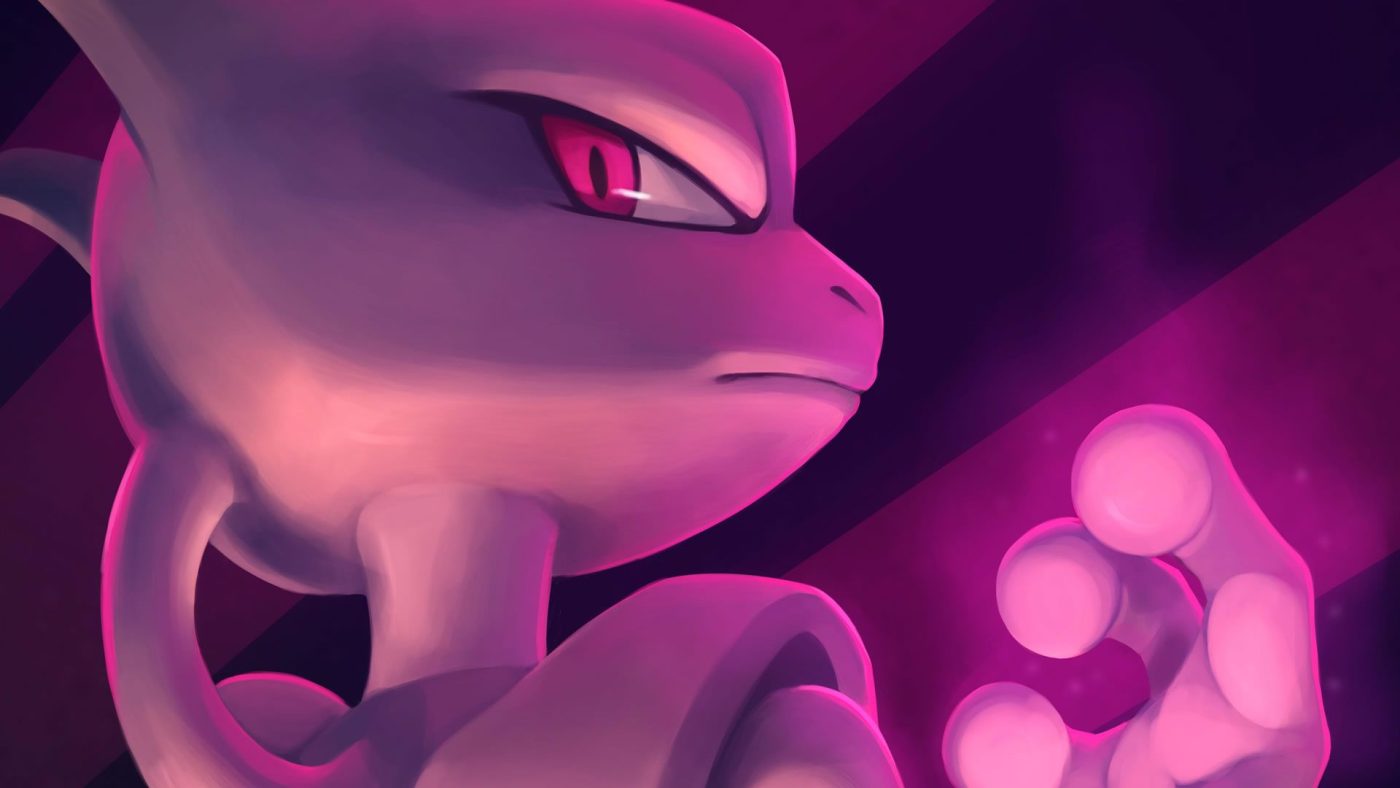

Almost three decades after its theatrical release, the controversy surrounding Pokémon: The First Movie (1999) has reignited. This exposes a deep, unhealed fracture in localization history. The core of the dispute lies not in trivial edits like the infamous “jelly donuts,” but in a fundamental reconstruction of the antagonist’s psyche.
Existential Crisis vs. World Domination
In the original Japanese script, Mewtwo is driven by a devastating existential crisis, screaming, Who asked to be born? Who wanted to be created?!
—a counterattack against his very existence. Conversely, the 4Kids English dub excised this philosophical anguish. It replaced it with a generic desire for world domination. This wasn’t just a translation error; it was a deliberate flattening of complex themes into a binary “Good versus Evil” framework to suit perceived Western sensibilities.
A Matter of Cultural Sovereignty
The fallout has transcended fandom chatter, reaching the level of political discourse. Zenko Kurishita, a former member of the Tokyo Metropolitan Assembly and staunch activist for freedom of expression, publicly condemned the alterations, stating, The changes are terrible.
Kurishita’s intervention highlights a critical anxiety regarding cultural sovereignty: the fear that international entities will strip the essence out of Japanese exports to manufacture a “safe” product.
By sanitizing Mewtwo’s resentment toward his creators, the localization process arguably insulated Western child audiences from a confrontation with the character’s tragic parentage and identity struggles, opting instead for a simplistic conqueror archetype.
A Lingering, Corrosive Impact
This “adulterated” version of Mewtwo has had a lingering, corrosive impact on the franchise’s legacy. The 2019 CGI remake, Mewtwo Strikes Back — Evolution, adhered to the Westernized characterization of a power-hungry villain rather than restoring the original’s tragic depth. Fans and critics alike speculate that the initial fear of Mewtwo’s existential rebellion negatively influencing children led to this decades-long creative misstep.
- The Western canon was built on a foundation of censorship.
- Audiences are left wondering if they ever truly knew the character.
The wound remains open. If the original intent was to protect the audience, why does the censored version feel so intellectually hollow compared to the Japanese masterpiece?



Leave a Comment