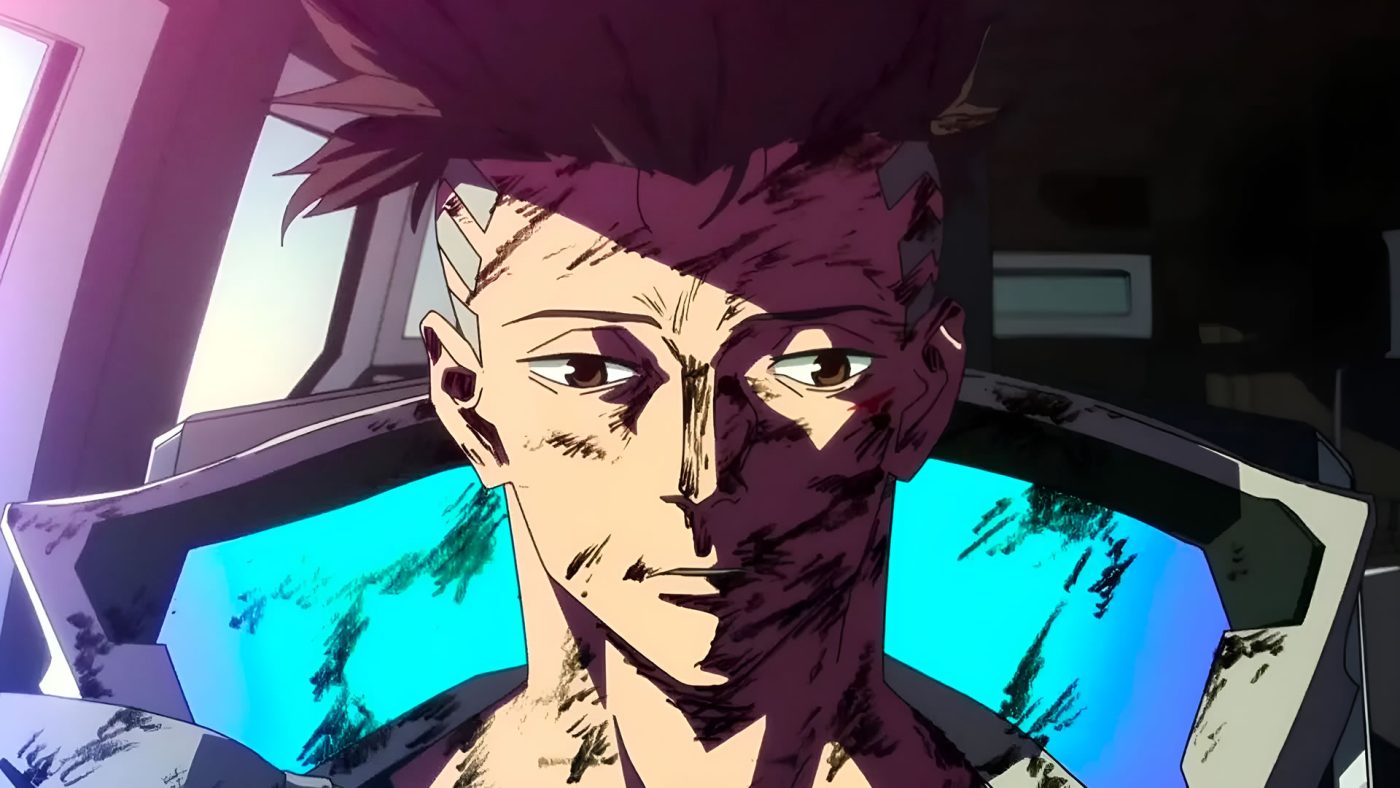

Cyberpunk: Edgerunners Season 2 — The Promise Isn’t Improvement, It’s Intensification
If the first season of Cyberpunk: Edgerunners destroyed you emotionally, the scriptwriter of the second one has a very clear message for you: you didn’t learn anything. Bartosz Sztybor, who writes the scripts for the sequel, made it clear that the new season will go even further in terms of tragedy, darkness and violence. His recommendation was as direct as it was loving: have the tissues ready.
The Promise Behind the Pain
In his recent statements, Sztybor was specific about the direction the second season will take. Those who cried with the first installment can expect a similar or even stronger emotional response, because the story will delve into more tragic, more violent and more ruthless territory. There are no details on characters, plot or release date for now; the message is about the tone and creative intention of the team — and that is enough to know what this is about.
“If that story broke you, the next one will dismantle you.” — The thesis is not refinement. It is escalation. In the grammar of this series, that means leaning harder into the nakige sensibility — stories designed to make you weep — while doubling down on the visceral, neon-soaked violence that defines Night City’s visual language.
Why Context Matters
The first season of Cyberpunk: Edgerunners, released in September 2022, became a phenomenon that few anticipated. It took the universe of a video game that had a notoriously complicated launch and transformed it into one of the most shocking anime of the year, with a narrative that did not ask permission to destroy its characters. That the team behind the second season describes their work as “even more relentless” says a lot about the expectations they manage internally.
What Made the First Season Land So Hard
Cyberpunk: Edgerunners is an original anime series produced by Studio Trigger and available on Netflix, based on the video game universe Cyberpunk 2077 from CD Projekt Red. The first season follows David Martinez, a young man from Night City who, after losing his mother, decides to become an edgerunner — a mercenary who works outside the law in a city that devours its inhabitants.
- Known for its intense, frenetic animation that shifts from gunplay to devastating silence in a single frame.
- Recognized for its powerful soundtrack.
- Celebrated for having no qualms about making things difficult for its characters until the very end.
- David Martinez’s arc wasn’t a hero’s journey — it was a meticulously plotted descent, animated with gorgeous fatalism.
- The series gained massive popularity and revitalized interest in the video game it came from.
A Recalibration of Emotional Resonance
This isn’t a reboot. It’s a recalibration. The 2022 series achieved something rare: it took the notoriously messy universe of Cyberpunk 2077 and found its raw, human core. Studio Trigger’s animation wasn’t just eye candy; it was the narrative’s heartbeat. That they’re now promising a “more ruthless” tone tells us everything about the creative team’s confidence. They’re not chasing a new audience — they’re weaponizing the expectations of the existing one.
The Gamble Ahead
There’s a fascinating tension here. The first season’s impact was seismic partly because of its surprise. A game-to-anime adaptation with this much creative audacity was rare. Now, the element of shock is gone, replaced by a clear, solemn promise. The gamble is whether the emotional payload can be magnified when the audience knows the weapon is loaded.
So, does this approach risk turning tragedy into mere brutality? Or does it suggest a deeper exploration of Night City’s central, cruel hypothesis: that the system always grinds down the individuals who dare to move within it?
Where the “More” Must Matter
Consider the mechanics. In the first season, the tragedy felt almost classical, shaped by choices and consequences. For the second to land harder, it might need to explore a different kind of violence — perhaps the violence of stagnation, or of futile hope. The “more” must be substantive, not just quantitative.
The silence on plot and characters is strategic. It focuses the conversation exactly where they want it: on the emotional and tonal contract with the viewer. This is a masterclass in managing expectation without leaking information — and that silence itself tells us everything we need to know about what’s coming.
Sit With These Questions
- When a story has already established a baseline of profound despair, where does the next emotional frontier lie? Is it in deeper personal loss, systemic inevitability, or something else entirely?
- Does the promise of a “darker” season actually represent a more sophisticated narrative ambition, or is it simply the logical endpoint of a genre that feeds on noir fatalism?
The first season proved this team doesn’t flinch. The second season exists to prove they never will.







Leave a Comment