
In the anime industry, hype can be your best friend or your worst enemy. Every season, streaming platforms launch brutal marketing campaigns convincing us we’re about to witness the next cultural touchstone. Yet when the dust settles, many of these guaranteed hits vanish from public consciousness almost as quickly as they arrived.
Rushed productions. Deviations from source material. A baffling inability to connect with audiences. These are the blunt instruments that beat the life out of promising franchises.
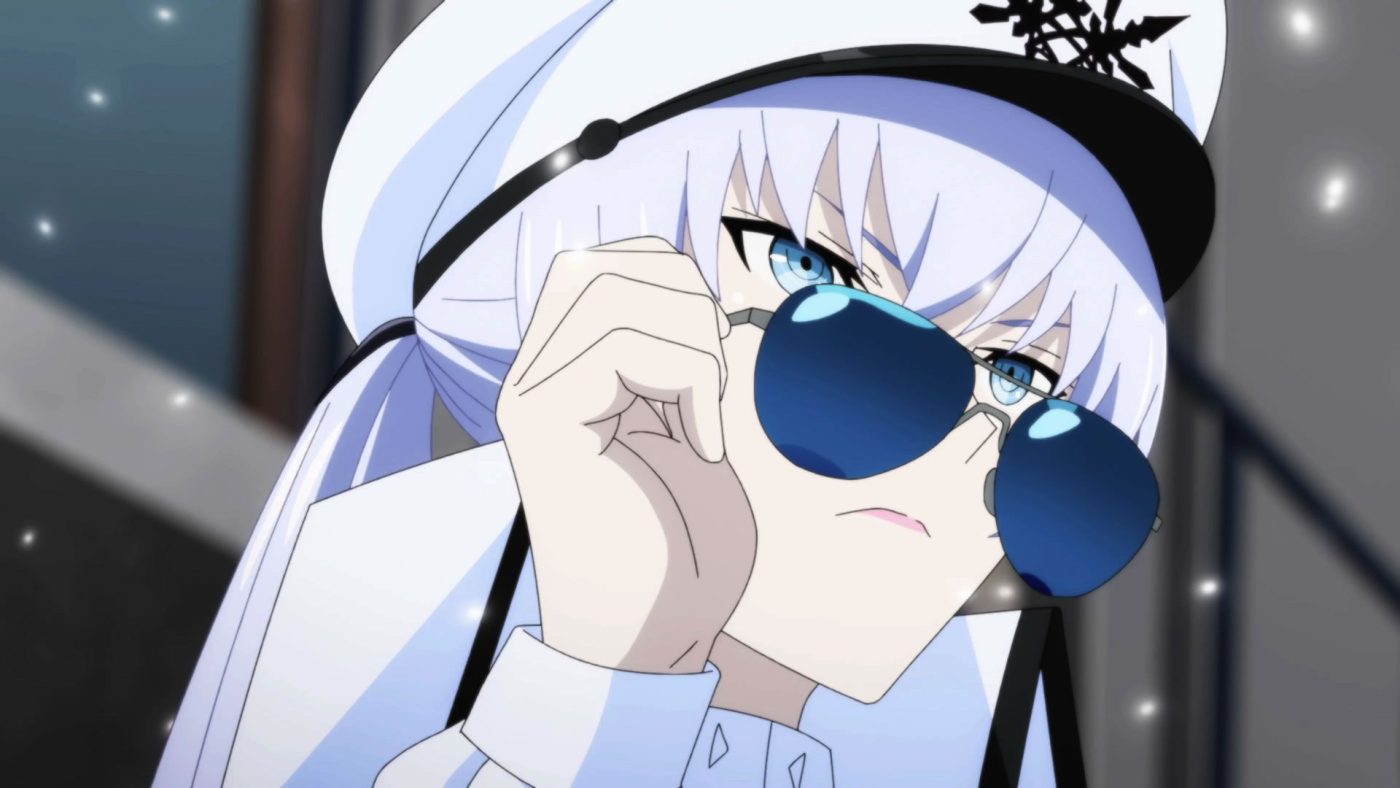
RWBY: Ice Queendom
An American web series with a fiercely loyal following, handed to Studio SHAFT. The ingredients for success were right there. Yet the production tossed in new narrative elements that entirely missed the tone of the original. The result exists in a vacuum—ignored by the very demographic it aimed to expand.
High Card
Studio Hibari wanted a global phenomenon. Secret organizations, playing cards with special powers, high production values. But they deployed a split-cour format—splitting the broadcast across two separate calendar windows. Attention spans are fragile. By the time the second half arrived, the audience had moved on.
Ikebukuro West Gate Park
Doga Kobo attempted to resurrect a gritty 2000s crime drama. Their fatal miscalculation: they filed off the rough edges. The original thrived on its raw, unvarnished look at Tokyo’s urban underbelly. The adaptation smoothed it into just another generic series. You cannot sand down the very thing that gives a story its grip.
Sakura Wars (2020)
SEGA tried to reboot a legendary tactical-dating-sim hybrid. Fresh animation, new characters. But they failed to capture the charm of the originals. Coupled with a poorly received video game, the anime faded quickly—leaving few fans discussing it years later.
Shaman King (2021)
Two decades after the original, the definitive
remake arrived promising full manga adaptation. The fatal flaw? They sprinted. The pace was so aggressively fast that character development became optional. Worse, the franchise’s cultural cachet had already cooled. You cannot force a spark just because you own the wood.
God of High School
MAPPA caught the Webtoon wave in 2020. Martial arts tournaments, high stakes, vibrant action. But the production team treated deep emotional beats like a checklist to burn through rather than moments to experience. Rushing the narrative didn’t speed up the payoff—it ensured the audience felt nothing. After a single season, the silence has been deafening.
The Promised Neverland (Season 2)
The undisputed champion of self-sabotage. Season 1 was a masterclass in atmosphere and pacing, earning global applause. Then season two decided to condense volumes of complex narrative into a single rushed cour. The disenchantment was so total that fans simply refused to discuss it.
Nothing kills conversation quite like sheer disappointment.
The Pattern Is Glaring
Deep pockets and loud megaphones cannot paper over structural flaws. Whether it’s misunderstanding source material, panic-driven production schedules, or arrogant assumptions that audiences will swallow whatever is served—the outcome is identical: spectacular irrelevance.
- Production limitations — rushed timelines that treat pacing as optional
- Creative errors — fundamental misunderstandings of what made source material work
- Market saturation — inability to resonate in an oversaturated competitive landscape
Exact viewership figures for streaming platforms remain notoriously opaque. Forgotten
is measured here by cultural footprint—the absence of enduring fandom, merchandise momentum, or critical reassessment.
These series represent missed opportunities cautionary tales that faded quietly into the darkest corners of anime history. The question remains: does the relentless pursuit of the next big franchise
actively prevent creators from telling stories that actually resonate?



Leave a Comment