
Deku’s Story Ended. But Horikoshi Just Showed Up With a Whole New Hand to Play.
The franchise isn’t dead. It just changed rooms.
Here’s what most people get wrong about franchises: they think the story dies when the main character walks off into the sunset.
Kohei Horikoshi just proved that’s nonsense.
The official Boku no Hero Academia website dropped something that had absolutely no business being this exciting. A brand new original anime. Called I Am a Hero Too. Landing on streaming platforms worldwide on .
Timed, with rather precise elegance, to mark the franchise’s tenth anniversary.
And no — this isn’t a rehash. It’s not a spin-off nobody asked for. It’s the one-shot Horikoshi himself wrote for the Ultra Age fanbook, now given a full production.
The man who built the entire universe is the one telling this next chapter. That matters more than people realise.
The Setup — No Villains, No Stakes. And That’s the Point.
Fast forward eight years past Deku’s graduation. The world is peaceful. Quirks still exist. Heroes still exist. But society no longer needs people to throw themselves into traffic every Tuesday afternoon.
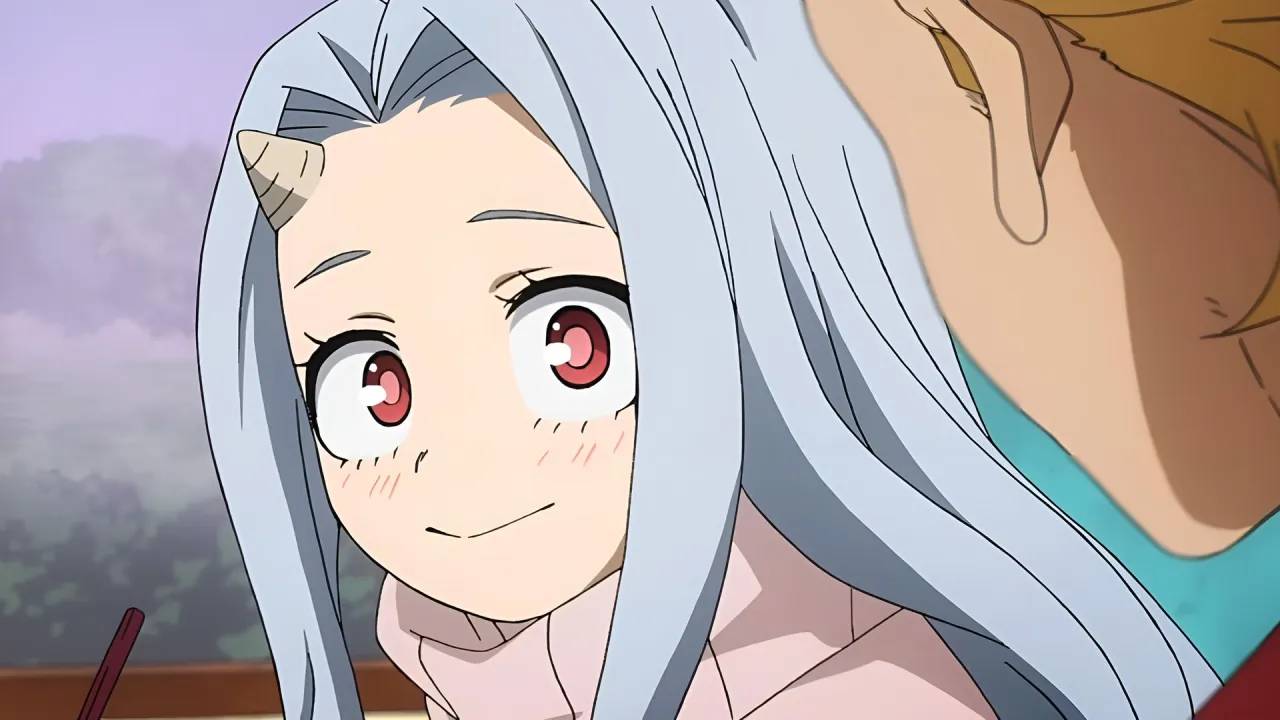
Enter Eri.
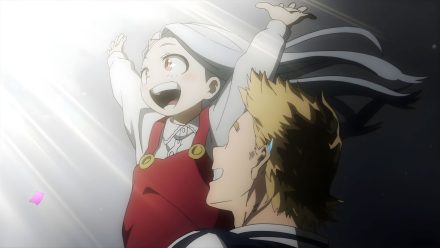
The girl who once needed Lemillion to pull her out of a nightmare is now a full-blown high school student. No Overhaul. No chains.
Just textbooks, awkward social situations, and the quiet burden of figuring out who you are when nobody’s trying to kill you.
It sounds simple. It’s not.
Horikoshi has always understood something most shonen writers miss: the hardest fight is never the one with the villain. It’s the one you have with yourself when the dust settles.
Why This Actually Works
Let’s be honest. My Hero Academia ended. The manga wrapped. The anime concluded. The cultural moment passed.
Most franchises at this stage do one of two things:
- Milk the brand with merchandise
- Produce something so disconnected from the source material that fans revolt
Horikoshi did neither.
He went back to something he wrote. Something small. Something personal. A one-shot about a girl learning to live in a world that finally stopped being cruel to her.
That’s not a cash grab. That’s an author saying I still have something to say about these people.
And the timing? . Summer release. The exact window where anime traditionally goes for the jugular with event-level projects.
He’s not hiding this away on a Tuesday in January. He’s putting it front and centre when eyeballs are widest.
That’s not confidence. That’s strategy dressed up as nostalgia.
The Bigger Picture Nobody’s Talking About
Here’s the pattern worth watching. The anime industry is currently obsessed with legacy sequels and what if
scenarios.
- Giant getting a film
- Tezuka’s Human Insects becoming a musical
- MHA returning — not with Deku, but with the kid he once saved
What ties all of these together? They’re all second acts. Stories about what happens after the explosion. After the climax. After the credits roll and the audience files out.
The industry isn’t just looking forward anymore. It’s looking backwards — not with regret, but with the realisation that the most interesting stories are often the quiet ones nobody told yet.
Eri doesn’t need to punch a god. She just needs to survive a normal day.
And somehow, that feels like the bravest thing Horikoshi has written in years.
- If the most compelling new anime in the pipeline isn’t about the strongest hero — but about the kid who just wants a normal life — does that say more about where we are as an audience than any box office number ever could?
- When Eri’s story lands in , will we finally accept that the best sequels aren’t the ones that raise the stakes — but the ones that lower them just enough to let you breathe?
- If Horikoshi can make a show about peace feel just as gripping as a war — what else have we been getting wrong about what anime is actually capable of?






Leave a Comment