
This review on Yuuki Yuuna wa Yuusha from Aru: Dai Mankai no Shou contains spoilers. If you haven’t seen the chapter yet, we recommend that you do it and then go back to read the review.
Chapter 7: You Will Never Forget
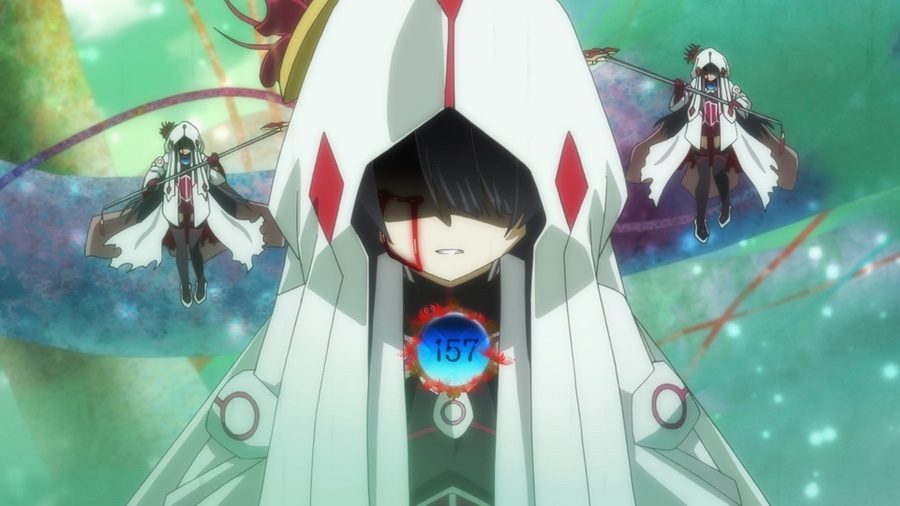
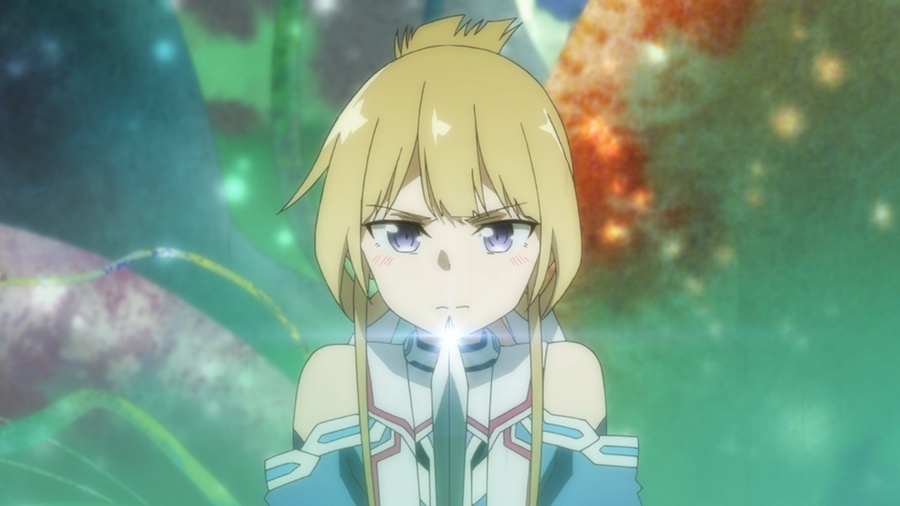
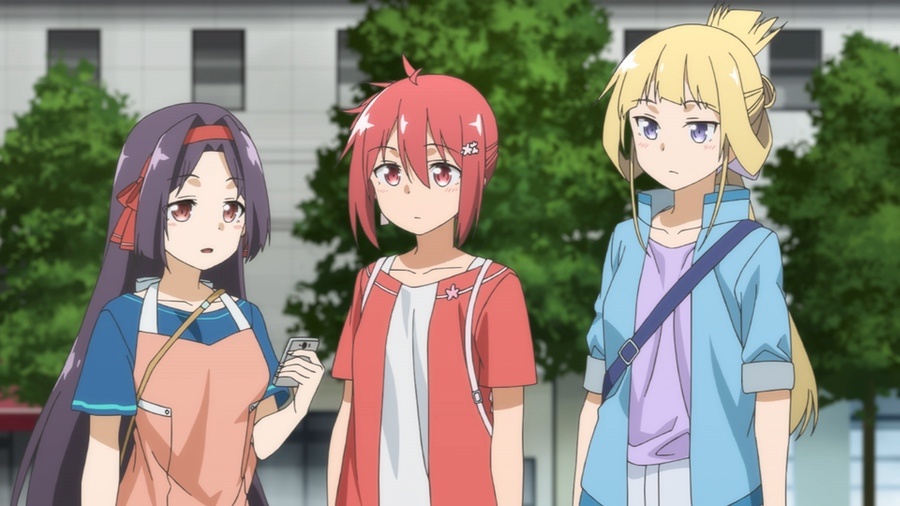
Chikage was released to the public. The fight between Chikage and Nogi continued, the first attacked with everything and the second only defended, but Shinju-sama It robs them of their powers, makes them useless and at the mercy of the vertex. Nogi protects her, but Chikage saves her life by sighing her last words of love and hate. It was six, now it’s only three, they say while they are at the memorial where they decide to visit Chikage. They find their house, a mess, and a well-kept object in the middle of the mess brings back memories of a joyful moment. Separately, Yuna and Nogi cry, the burden of being a hero and its consequences as well as a cold speech that culminates with words from the heart: Chikage was a hero in the end.
Chapter opinion
Chikage’s arch can be said to have peaked as she was the common thread in these last two chapters. The only thing to criticize is that the love for Yuna, which is half shown to advantage, doesn’t really convince me, otherwise the rest is very justified and well developed. Although Chikage did not appear personally in the entire chapter, the chapter was seen to be about her, even the title itself “You will never be forgotten” It is a clear indication of their status as an excluded hero, but that is just as important for the group (Nogi, Yuna and Hinata) as they are. A very good chapter that the CGI didn’t bother me about, otherwise it goes without saying because the next chapter seems to have very good animation. I keep asking myself: Why did you take in Kusunoki and Co.?
In the end you were a hero
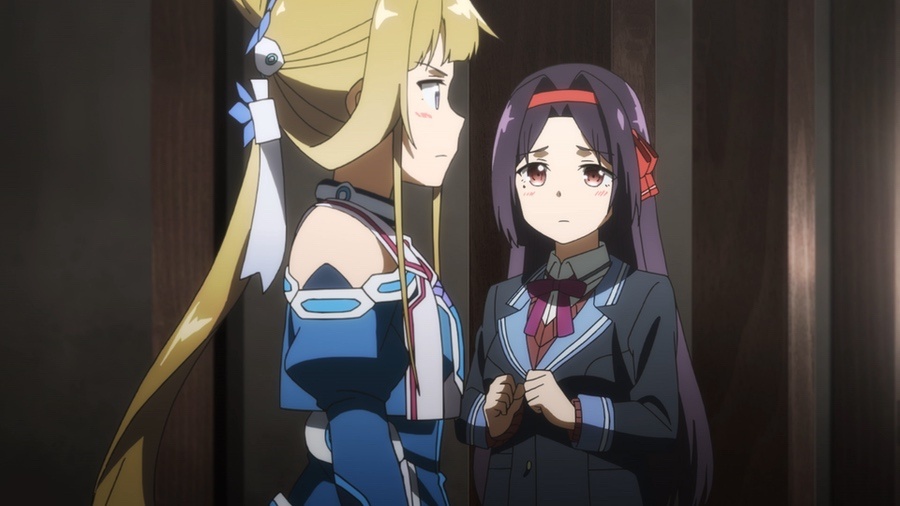
What makes a hero, his mistakes or his courageous death? This part reminds me of the second Batman film in Nolan’s trilogy, The dark knight, specifically to Harvey Dent, who was hailed as a hero at the end of the film despite attempting to kill Batman for whom his crimes are covered up. The biggest difference between Harvey and Chikage is that in the end she did something good, saved her hated partner, who praised her as a heroine not out of necessity but out of fact. He tried to kill Nogi but managed to make amends by risking his life and giving his life for someone to survive. Doesn’t a hero sacrifice himself for someone he hates?
In the end he also confessed that everything he felt he did out of admiration for Nogi, not being able to be like her, wanting to be her. Well as an old song says: you only hate what is dear to you.
Concealment
The crimes are hushed up, the evils of the “good guys,” to keep hope and the symbol it represents from waning. With Chikage they didn’t cover everything up, only his death, because whoever is evil must be punished and in order for people to experience justice, the wicked must live. Ultimately, covering up means changing events for fear of what they might say, for fear that the dominant group’s power will wane. But didn’t Chikage cover up his life in the end? Not only that, but his feelings too. But isn’t that something we all do?
We all suffer
Yuna and Nogi are undoubtedly heartbroken. One is brave, the other has to follow the leadership role and take responsibility. But what Hinata says is true, we all carry a certain amount of pain inside of us, the bad thing is that it can lead us to both good and bad deeds like it did with Chikage. We all have some kind of burden, but the healthiest thing is to do what Nogi did: cry in someone’s arms and talk about it. The latter was at the conference with Yuna by his side. Nogi played her role but expressed regret and appealed to all who speak without knowing or understanding the role we must live (interpret).
Good chapter, full of feeling, I have to say, besides reflecting, all of this as the story of the past unfolds. Now we just have to wait for a fight in which several meet two.



Leave a Comment