
And the numbers are brutal.
Here’s something that’ll make you feel old faster than checking your knees in the rain.
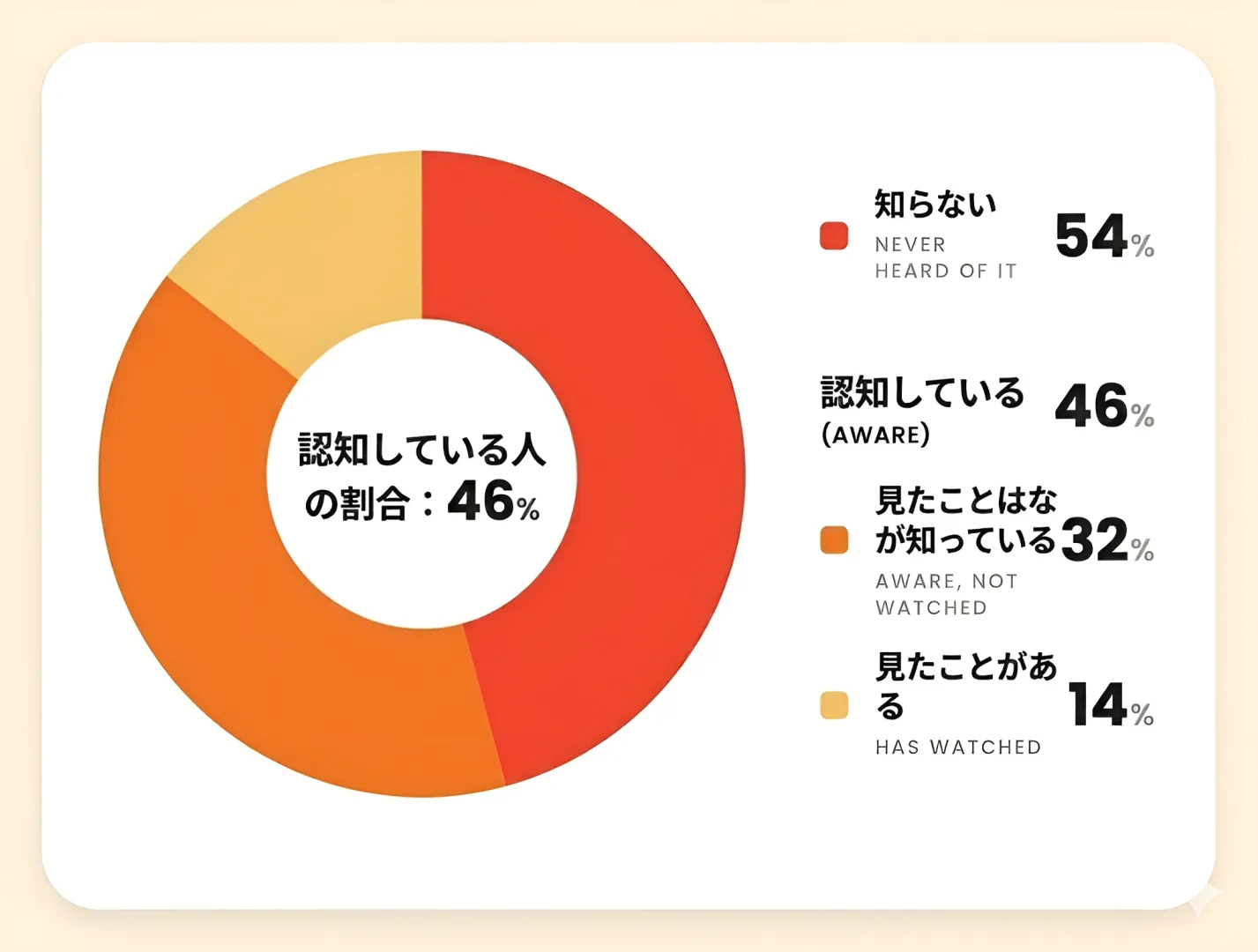
A fresh survey dropped in early targeting Japanese teens aged fifteen to nineteen. The results for The Melancholy of Haruhi Suzumiya read like an obituary that nobody bothered to send flowers for.
- 54% — never heard of it
- 32% — know the name, never watched a single episode
- 14% — actually watched it and probably still argue about the episode order
A show that once made an entire generation lose their collective minds — that defined what anime could look and feel like in the mid-2000s — is now basically a ghost story to the people actually consuming content right now.
And that’s not a tragedy. That’s pattern recognition.
What Actually Happened
Haruhi aired in . That’s nearly two decades ago. In internet years, that’s the Mesozoic era. YouTube was still figuring out what a comment section was for.
The show didn’t just participate in anime culture — it was anime culture for a while.
- The SOS Brigade
- The Endless Eight
- God Knows… performed live at the school concert like it was the most natural thing in the world
- Hare Hare Yukai — that dance colonised every screen on the planet before TikTok even existed
But here’s the thing people miss when they get nostalgic: Kyoto Animation didn’t just make a popular show. They changed the entire game.
They took a narrative gamble most studios would have run screaming from — repeat the same story arc eight times with completely different animation — and it worked. Brilliantly.
They raised the bar so high that the rest of the industry spent the next fifteen years trying to clear it.
And now? The kids don’t even know the bar was there.
The Generational Gap Is Real — And Fascinating
The forum reactions were more mature than expected. Most people acknowledged the obvious: of course a show feels alien to someone born in . That’s not a flaw in the show. That’s just how time works.
But there’s this undercurrent in the comments I find genuinely interesting. A quiet melancholy from people who remember when debating the correct episode order was a social activity — not a Wikipedia rabbit hole at .
Some of the surveyed teens who’ve never seen the show still recognise the Hare Hare Yukai dance. They just don’t know where it came from.
It’s like recognising a melody you heard in a dream — you know it, but the context is gone.
That’s not fading popularity. That’s cultural residue. And there’s a massive difference between the two.
So Where Does That Leave Us
The market doesn’t care about legacy. The market cares about what’s happening now. And right now, there are a thousand new shows fighting for attention every season — each one louder, faster, more immediately gratifying than the last.
But here’s what I keep coming back to:
The shows that reshape an industry don’t need to stay popular to stay important.
Haruhi doesn’t need fourteen-year-olds watching it tonight. It already did its job. It already rewrote the rules.
The question was never whether it would last forever — it was whether it would last long enough to matter.
And it did. Spectacularly.
- If a show that once stopped the internet can vanish from an entire generation’s consciousness in under twenty years — what does that tell us about the shelf life of anything we call
classic
today? - Is Haruhi’s real legacy the show itself — or the fact that we now expect every anime to try something that dangerous, even when most of them won’t?
- If you’re getting into anime right now — do you need to watch Haruhi to understand where everything came from? Or is that question itself already outdated?



Leave a Comment