

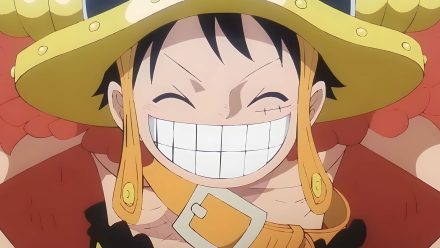
Netflix dropped more than a promotional image this Tuesday. February 2027 marks the worldwide debut of The One Piece remake—a colossal reinterpretation of the legendary shonen. The first seven episodes arrive all at once, delivering roughly 300 minutes of content. That is five hours of concentrated adventure.
Contemporary audiences treat extended first chapters as feature-length samplers. Handing viewers weekly tidbits risks losing them before they ever leave Foosha Village. Frontloading the entire origin in one go is not a gimmick—it is a calculated bet on modern attention spans.
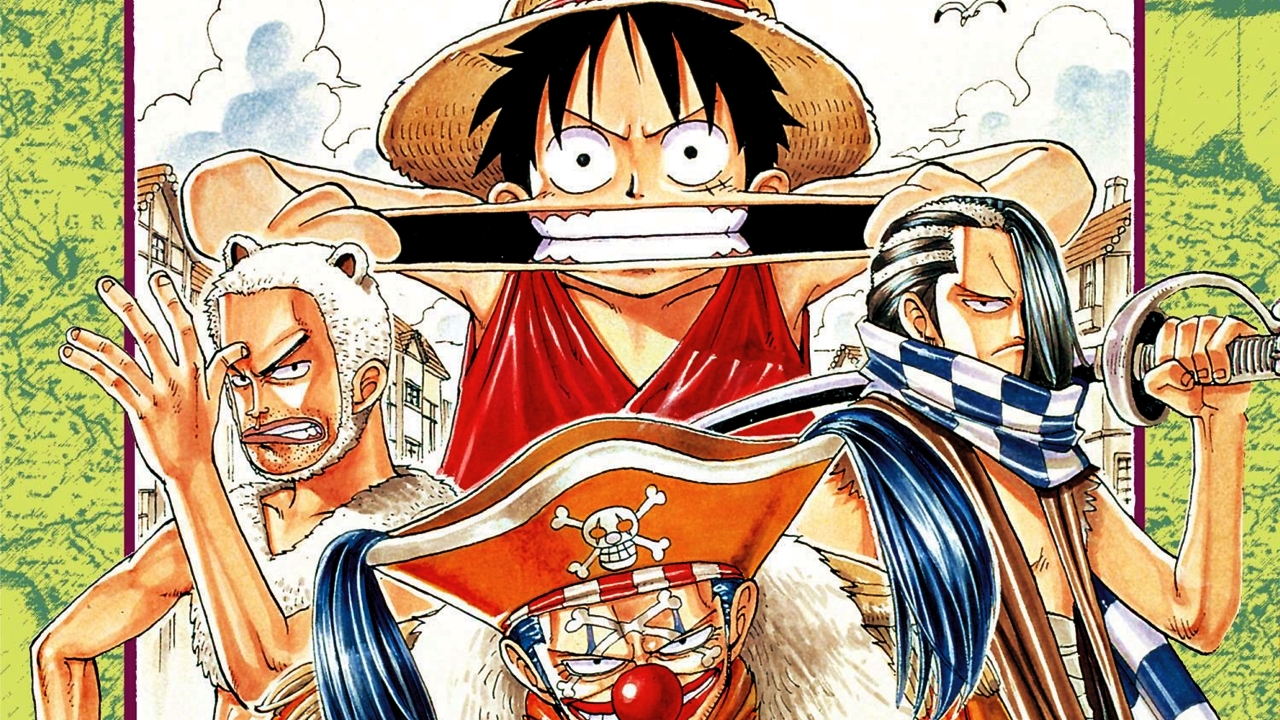
This first season adapts the initial 50 chapters of the manga, covering the iconic East Blue saga. The goal: capture the original magic with modern dynamism, eliminating classic filler entirely.
Where it all began: East Blue.
Produced by WIT STUDIO, THE ONE PIECE sets sail in February 2027. All 7 episodes dropping at once, only on Netflix. pic.twitter.com/MJBLYMCvdt
— Netflix Anime (@NetflixAnime) May 5, 2026
The Creative Team Behind the Vision
Wit Studio assembled a staff of Japanese animation royalty:
- Masashi Koizuka — Director, recognized for Attack on Titan
- Kyoji Asano and Takatoshi Honda — Character design and animation direction, veterans of Spy x Family and The First Slam Dunk
- Taku Kishimoto — Head of scripts, mastermind behind Haikyuu!! and Ranking of Kings
This all-star crew was calibrated not just for fidelity, but for velocity. They solve a specific problem: translating 25-year-old material for a crowd that scrolls if a scene drags.
A Mutual Respect for Legacy
George Wada, president of Wit Studio, stated the main goal: offer pacing that aligns the anime’s aesthetic with prime-time contemporary expectations. This modernization is built from deep respect for Toei Animation’s foundations.
The Original Series Evolves Too
Starting in 2026, the classic Toei series will reduce its annual production to a maximum of 26 episodes. After the Egghead arc closes, this reduced cadence allows the Elbaph Island adaptation to deliver:
- Superior animation quality
- Narrative rhythm more faithful to Oda’s original pen
Two versions of the same epic now exist: one barrelling forward at a modernist sprint, the other slowing to a deliberate marathoner’s stride. They are complementary—yet quietly competitive.
What This Means for Viewers
For longtime fans, it is an invitation to compare. For new viewers, it is a no-excuses on-ramp. The remake reframes what an adaptation can be: not a plodding re-enactment, but a reinterpretation that trusts audiences to keep up.
You might think of it less as a reboot and more as the director’s cut of a memory—cutting away the filler many forgave in the early 2000s because we did not know any different.
The Real Questions
When a cherished property receives a compressed entry point, are we rediscovering the heart of the story or just its highlight reel? Does training viewers to expect “fast-cut” versions alongside slow-burn originals reshape how we experience classics?
If you could redesign a childhood favorite for today’s attention economy, what would you keep slow—and what would you cut loose?





Leave a Comment